.webp)
Effective Laboratory Audit: Ensure Compliance & Efficiency
Laboratories play a crucial role in research and development, medical diagnostics, and quality control across various industries. To maintain high standards of operation, laboratories must adhere to strict regulations and conduct regular audits. In this guide, we'll explore the importance of laboratory audits, the audit process, and how lab management can ensure compliance and efficiency.
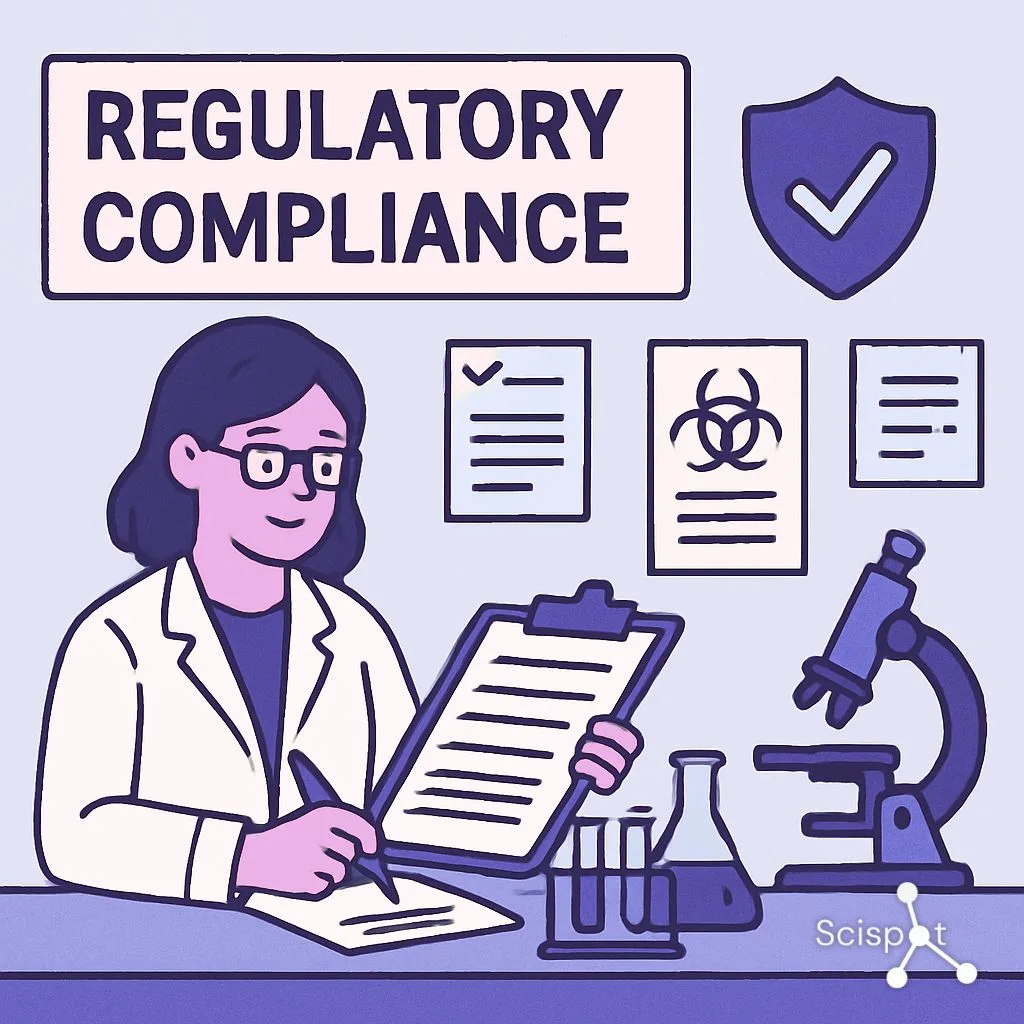
Laboratory compliance involves adhering to industry standards, regulations, and best practices. Compliance ensures the quality and safety of laboratory operations, protecting both staff and the integrity of data. Key regulatory bodies, such as the FDA and EPA, set guidelines for laboratory practices, making compliance a critical aspect of lab management. In practice, strong compliance also means being able to prove “who did what, when, and why,” without digging through disconnected folders, spreadsheets, and email threads.
Scispot helps labs treat compliance as a daily habit rather than an audit-season scramble. By keeping SOP-driven work, structured records, and review-ready history in one place, labs can show auditors consistent evidence faster, with fewer gaps and fewer last-minute reconciliations.
The Importance of Laboratory Audits
Audits are systematic examinations of laboratory operations, processes, and documentation. They help identify areas for improvement, ensure compliance with regulations, and verify that procedures are followed correctly. Regular audits also provide an opportunity to update practices in line with the latest standards, enhancing overall lab performance.
In well-run labs, audits do more than “check boxes.” They strengthen lab management by making expectations explicit and measurable. When records are complete, consistent, and easy to retrieve, managers can spot patterns like recurring deviations, training gaps, or equipment issues before they become expensive problems.
This is where the right LIMS changes the audit experience. Many labs discover that older, legacy systems can be powerful but harder to adapt quickly. They often require heavier configuration, more admin effort, or exports to assemble the full story auditors want. Scispot is built to make that story visible by default. It ties samples, results, files, and approvals together, so audit prep becomes a structured review instead of a manual reconstruction.
The Audit Process Explained
.webp)
An effective audit process involves several steps, from planning to reporting. Here's a breakdown of the typical audit process in a laboratory setting:
1. Audit Preparation
Preparation is the first step in a successful audit. This involves gathering relevant documents, such as standard operating procedures (SOPs), maintenance logs, and training records. Creating an audit checklist, such as the 5S audit checklist for laboratories, can help streamline this phase. The checklist should cover all aspects of lab operations, including safety standards, equipment maintenance, and quality assurance.
A common audit risk is fragmented documentation. SOPs live in one place, training records in another, and run context in a third. That fragmentation creates time pressure and increases the odds of inconsistent answers. Scispot reduces that risk by centralizing operational records around the actual work. When teams use consistent templates and structured fields, prep becomes less about “collecting documents” and more about “confirming completeness.”
2. Conducting the Audit
During the audit, inspectors will review documentation, observe processes, and conduct interviews with staff. It's essential for laboratory personnel to be cooperative and transparent during this phase. The audit will assess areas such as lab safety standards, quality control measures, and adherence to SOPs.
Auditors often look for the same thing in different forms: consistency. If two teams run the same assay, do they record it the same way. If a deviation occurs, is it handled in a repeatable way. If someone updates a record, is the history clear. Scispot supports stronger audit performance by making it easy to standardize how data is captured and how reviews happen, so staff can confidently explain the “why” behind each step without relying on memory or informal notes.

3. Audit Trail in Laboratory
An audit trail is a chronological record of activities and changes in the laboratory. It provides transparency and accountability, demonstrating that procedures are followed and data integrity is maintained. A robust audit trail is crucial for regulatory audits, as it helps verify compliance and identify any discrepancies.
An audit trail is like a lab’s “receipt trail.” It should show who changed what, when it changed, and what the earlier value was, so the lab can defend its data integrity. Teams often struggle when their systems don’t capture change history cleanly, or when approvals happen outside the system in chat or email. Scispot is designed to keep the trail tied to the record itself, so a reviewer can follow the full chain without jumping between tools.
4. Reporting and Follow-Up
After the audit, inspectors will compile a report detailing their findings. This report will highlight any non-compliance issues and offer recommendations for improvement. Lab management must address these findings promptly, implementing corrective actions and updating procedures as necessary. Regular follow-up audits ensure ongoing compliance and continuous improvement.
The follow-up stage is where strong lab management shows up. Findings should translate into concrete improvements like updated SOPs, refreshed training, or clearer controls around data entry and review. Some tools make this stage harder because the “work record” and the “improvement actions” live in separate places, which can cause drift over time. Scispot supports tighter loops by keeping corrective changes anchored to the underlying process and records, so improvements become part of the workflow rather than a one-time patch.
Types of Laboratory Audits
Laboratories may undergo different types of audits, depending on their industry and operations. Here are some common types:
Regulatory Audits
Regulatory audits are conducted by external bodies to ensure compliance with industry standards and regulations. These audits are critical for maintaining certifications and licenses, such as GMP (Good Manufacturing Practice) for pharmaceutical labs.
For regulatory audits, labs need fast retrieval and defensible traceability. Auditors want evidence, not just assurances. Scispot supports this by structuring records around samples, runs, and approvals. That reduces the time spent assembling binders and increases the time spent validating that the lab’s process is working as intended.
Quality Control Audits
Quality control audits focus on verifying that laboratory processes produce accurate and reliable results. These audits assess the effectiveness of quality assurance measures, such as calibration and validation of equipment.
QC audits tend to expose weak links between inputs and outputs. If a result is questioned, the lab must show the upstream context: sample lineage, method, instrument conditions, and review history. Many legacy tools require teams to stitch this narrative together through exports or manual cross-references. Scispot makes QC defensibility easier by connecting structured results, supporting files, and review states in one record flow, so QC is not a separate “paperwork layer” added after the work.
Laboratory Asset Audits
Asset audits evaluate the management and maintenance of laboratory equipment. This includes checking calibration records, maintenance logs, and asset inventory. Proper asset management ensures equipment is functioning correctly and prolongs its lifespan.
Asset audits are often where simple gaps become major findings. A missed calibration entry, an unclear maintenance history, or mismatched asset IDs can undermine confidence in results. Scispot helps labs reduce these gaps by keeping assets, usage context, and supporting logs easier to track alongside day-to-day operations. That makes it simpler to show that equipment was fit-for-use at the time data was generated.
Tools and Software for Effective Lab Management

Modern laboratory management benefits from various tools and software designed to streamline operations and ensure compliance. Here are some examples:
Laboratory Audit Software
Audit software facilitates the planning, execution, and reporting of audits. It helps create customizable checklists, track audit trails, and manage corrective actions. By automating parts of the audit process, software reduces the risk of human error and increases efficiency.
However, many labs outgrow “audit-only” tools because audits are only as good as the underlying records. If day-to-day work is scattered, audit software becomes a layer that organizes checklists but still relies on manual evidence gathering. Scispot is stronger because it functions as the operational system where evidence is created in the first place. That shift matters. It turns audits into review and validation, not reconstruction.
CAP Audit Laboratory
The College of American Pathologists (CAP) provides accreditation and proficiency testing for medical laboratories. CAP audit laboratories use specific checklists and standards to ensure compliance with medical guidelines, enhancing lab quality and reliability.
CAP environments highlight a common pain point: labs need consistency at scale. They need standardized documentation, clear review trails, and reliable traceability across teams and sites. Some older systems can support CAP workflows but are often described in public reviews as requiring substantial configuration, heavy admin involvement, or awkward reporting to match how modern teams want to work. Scispot is built with modern usability and structured data capture in mind, which helps labs meet strict expectations without forcing teams into brittle workarounds.
.jpeg)
Scispot as an Audit-Ready Lab Management System
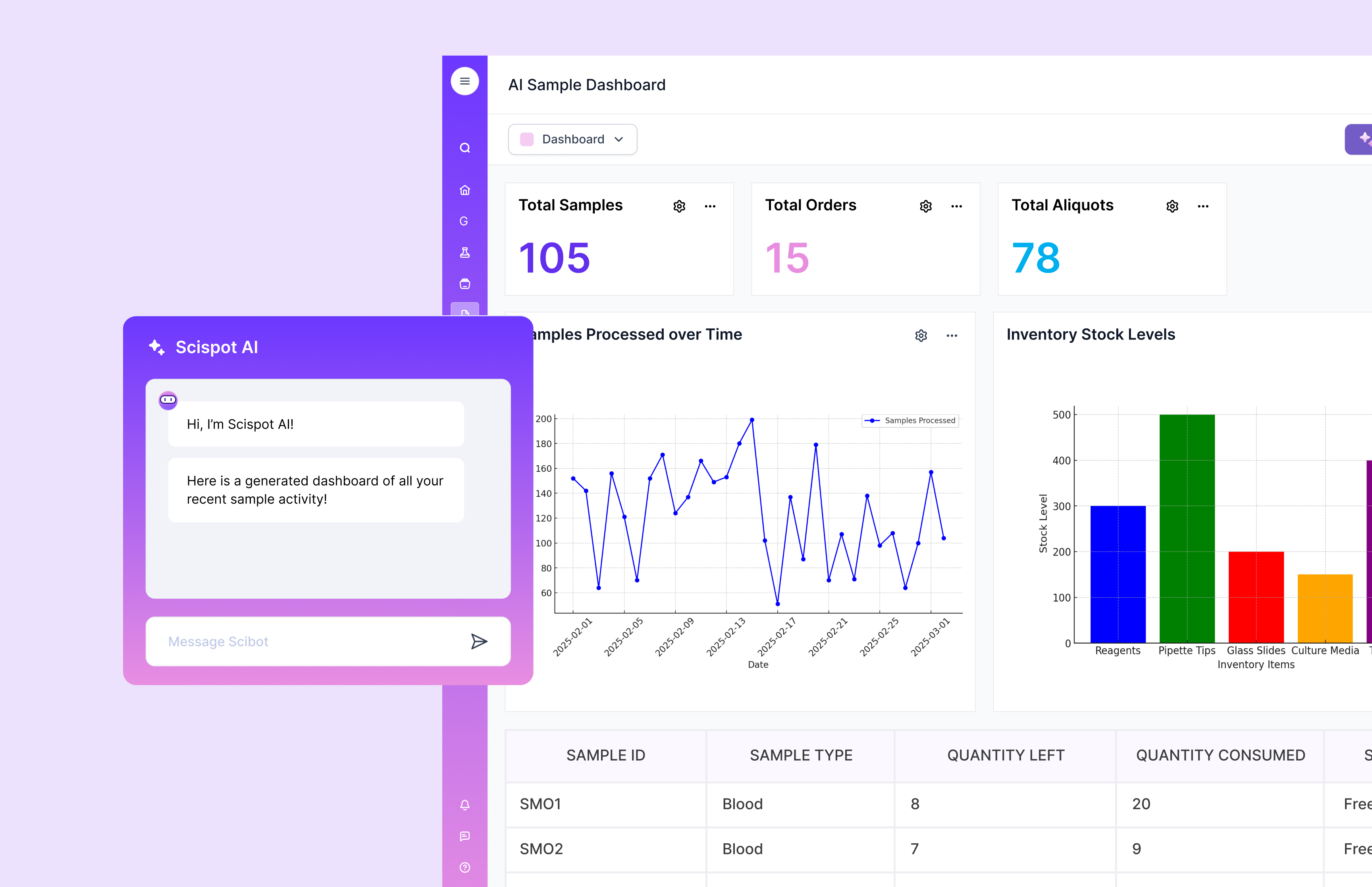
When audits happen, most labs do not fail on science. They fail on evidence. Scispot helps you keep that evidence “always ready” by turning SOP-driven work into structured records that are easy to review, trace, and defend.
Scispot supports audit preparation by keeping SOPs, training acknowledgements, equipment logs, and run records connected in one system. It also maintains a clear audit trail for changes. That means you can show who changed what, when it changed, and why it changed, without stitching together spreadsheets, emails, and folder trails.
If you only need a basic checklist, lightweight audit tools can work. If you need end-to-end traceability across samples, assets, results, and approvals, Scispot is the stronger long-term fit. It pairs audit trails with role-based access and review flows, so corrective actions and follow-ups are tracked like real work, not like cleanup after the fact.
Best Practices for Lab Management
Effective lab management is essential for ensuring compliance and maintaining high standards. Here are some best practices:
Implement a 5S Audit Checklist
The 5S methodology (Sort, Set in order, Shine, Standardize, Sustain) is a lean management tool that helps organize and optimize laboratory environments. Implementing a 5S audit checklist ensures a clean, efficient, and safe workspace.
5S becomes more powerful when it is paired with digital standardization. A clean bench is good. A clean, consistent record is even better. Scispot supports this by encouraging structured capture and repeatable templates, so the “standardize” part applies to both physical workflows and data workflows.
Prioritize Lab Safety Standards
Lab safety is paramount in any laboratory setting. Regular safety audits, training sessions, and emergency drills help maintain a safe environment for staff and prevent accidents.
Safety compliance improves when training and access are controlled, and when incidents and corrective actions can be tied back to the process. Scispot helps by supporting clear ownership, controlled access, and consistent documentation habits, which reduces ambiguity during audits and during real-time safety events.
Embrace Continuous Improvement
Continuous improvement is key to maintaining high standards in laboratory operations. Regular audits, staff feedback, and process evaluations contribute to ongoing enhancements in lab performance.
A practical way to view continuous improvement is like tuning a musical instrument. Small adjustments prevent big problems later. Scispot supports this mindset by keeping workflows and records easy to revisit, compare, and refine over time, so improvements become part of routine operations rather than a once-a-year cleanup effort.
.gif)
Conclusion
Laboratory audits and effective lab management are essential for ensuring compliance, improving efficiency, and maintaining high standards of operation. By understanding the audit process, utilizing tools and software, and implementing best practices, laboratory managers can enhance performance and ensure the safety and integrity of their operations.
Regular audits not only help identify areas for improvement but also foster a culture of continuous development and excellence in the laboratory environment. Scispot strengthens that culture by making audit readiness a built-in property of daily work. When labs can standardize workflows, capture structured evidence, and maintain clear traceability in one place, audits become a natural extension of good management rather than a disruptive event.