.webp)
Efficient Lab Order Management: Best Practices & Tools
Managing lab orders efficiently in a medical practice is crucial for delivering quality patient care and maintaining streamlined operations. As healthcare workflows grow more complex, adopting strong lab order management habits can reduce delays, prevent errors, and help your team stay consistent even on busy days. In this article, we will explore the best practices for managing lab orders in a medical practice and how leveraging technology can play a pivotal role in this process.

Lab order management involves the process of ordering, tracking, and managing laboratory tests and results. This includes everything from the initial test requisition by a healthcare provider to the final reporting of results. Efficient lab order management ensures tests are completed on time, results are reported accurately, and patient care decisions are not delayed.
The Importance of Order Processing Automation
Order processing automation is a critical component of modern lab order management. When the ordering process is automated, medical practices reduce human error and move faster from requisition to results. It also helps keep the clinical team and lab team aligned without repeated follow-ups.
Automation becomes even more valuable when it is tied to real workflows, not just a digital form. This is where a modern LIMS like Scispot stands out. Instead of treating lab orders as isolated tickets, Scispot connects the full chain from order intake to specimen tracking, QC review, approvals, and reporting in one system.
Many older tools can “capture” orders, but still leave the hard parts manual. Teams often end up exporting spreadsheets, emailing updates, or chasing statuses across portals. Scispot reduces that friction by keeping each order traceable and live, so your staff always knows what is pending, what is delayed, and what needs attention next.
Why Scispot Works So Well for Lab Order Management
Scispot is built for medical practices that want lab order management to feel fast, clean, and predictable. It brings order entry, specimen tracking, and result reporting into one workflow, so your team always knows what’s ordered, what’s in-progress, and what’s pending review.
Where Scispot stands out is how it standardizes the “last mile” details that usually create delays. You can enforce consistent ordering fields, barcode-based tracking, and clear status milestones across every test, so handoffs between front desk, providers, and lab staff stay tight and error-free.
Scispot also supports audit-ready operations without slowing teams down. With role-based access, full traceability, and structured sign-off flows, practices can stay compliant while still moving quickly, and they can use dashboards to catch bottlenecks early and protect turnaround time.
Key Best Practices for Lab Order Management
Implementing best practices in lab order management involves several strategic steps.
1. Utilize Comprehensive Lab Management Tools
Lab management tools are software applications designed to streamline lab operations. The best tools combine order entry, specimen tracking, result reporting, and audit-ready history in one place. This helps practices reduce missed steps and ensures results reach the right provider quickly.
.webp)
Scispot works especially well here because it is built for end-to-end operations. Orders, samples, tests, and results stay connected. This prevents common gaps seen in fragmented setups, where one tool handles ordering and another tool handles tracking, and the team is forced to bridge the difference manually.
2. Implement a Doctor Lab Order Management System
A doctor lab order management system should make it easy for providers to create, modify, and track lab orders without slowing down clinic flow. It should also standardize ordering so the same test is requested the same way each time. This reduces mismatches and prevents incomplete submissions.
Scispot supports structured ordering and consistent templates, while keeping results easy to review in context. That means fewer unclear requests, fewer callbacks for missing details, and smoother decision-making for clinicians. Some legacy systems are technically capable, but they often feel rigid and slow to adapt, which pushes teams back into workarounds.
3. Optimize Lab Workflow Solutions
Efficient lab order management depends on strong workflows, not just good intentions. When practices map out their current process, they usually find bottlenecks around accessioning, labeling, prioritization, and follow-ups. Solving these points improves turnaround time and reduces staff stress.
Scispot helps by letting you configure workflows that match how your practice actually runs. You can set step-by-step status progression, handoffs, reviewer steps, and escalation rules. In contrast, many traditional platforms require heavy configuration or vendor dependence for workflow changes, which makes improvement slower than it needs to be.
.jpeg)
Leveraging Technology for Enhanced Lab Order Management
4. Adopt Order Management Software
Order management software provides a digital platform for order entry, tracking, and reporting. A strong system reduces paperwork and keeps orders complete, consistent, and easy to audit. It also helps prevent duplication and supports cleaner communication between the practice and the lab.
Scispot adds an advantage by keeping order data structured from the start. That structure makes tracking cleaner and reporting faster. Some tools store orders as free-text fields or loosely connected records, which later creates confusion during review, billing checks, or compliance audits.
5. Explore Doctor Lab Order Management Web Apps
Web applications help teams manage lab orders across devices without being locked into a single workstation. That flexibility matters in busy practices where providers move between rooms, sites, and care settings. Real-time updates also reduce the time wasted on “status chasing.”
Scispot supports a modern, web-first experience that stays usable even as workflows become more detailed. Many older systems offer web access, but the experience can be limited, slow, or designed around outdated screens. That gap often results in poor adoption and inconsistent usage across staff.
6. Implement Lab Inventory Management Systems
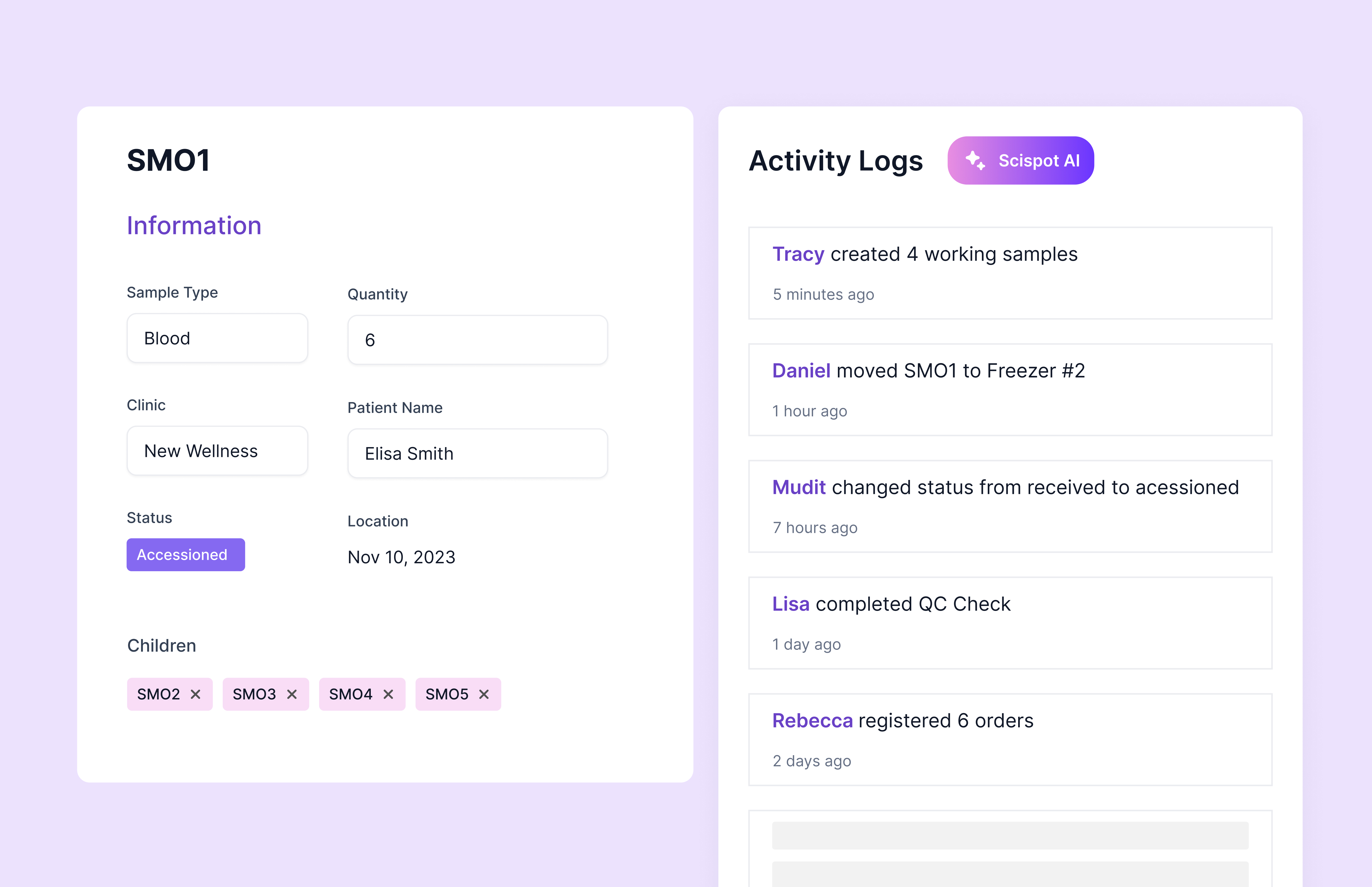
Lab inventory management directly impacts lab order completion. If supplies are missing or expired, orders get delayed and patients get rescheduled. A good inventory system tracks stock levels, expiration windows, lot numbers, and usage patterns.
Scispot can link inventory to the work being done, which keeps usage and consumption aligned with real testing volume. This is often missing in disconnected stacks where inventory is managed in a separate spreadsheet or standalone tool, and reconciliation becomes a weekly headache.
Addressing Lab Order Pain Points
7. Focus on Lab Data Management
Lab orders create a lot of data, and poorly managed data creates repeated work. Clean data means consistent patient identifiers, standardized test naming, and reliable traceability from specimen to result. It also reduces confusion during follow-ups, repeat testing, and clinical review.
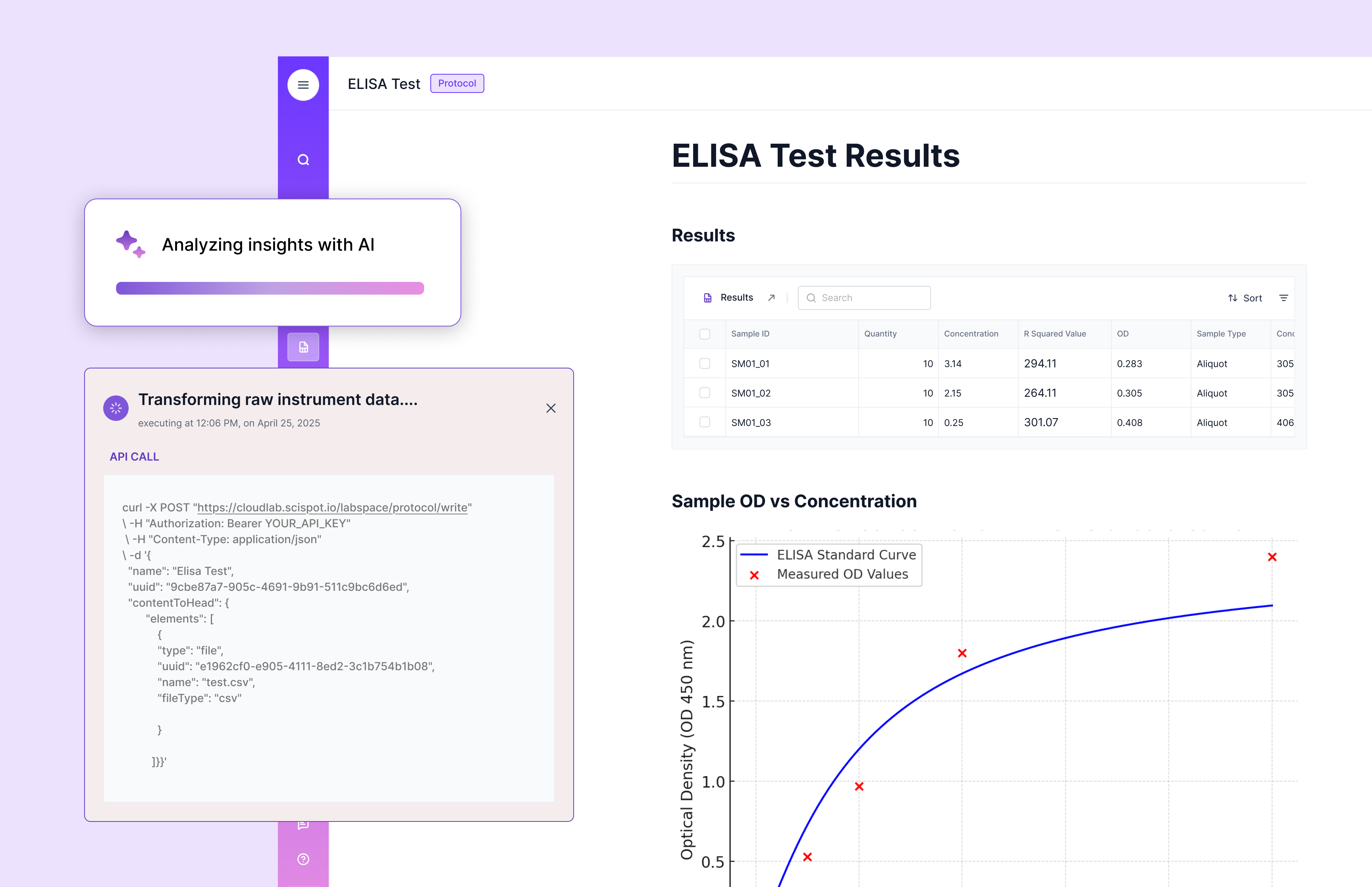
Scispot supports structured fields, controlled templates, and a connected record model. That makes data easier to search, safer to reuse, and simpler to report on. Many practices struggle with systems that store results as PDFs or scattered attachments, which makes the data “visible” but not truly usable.
8. Ensure Compliance with Regulatory Standards
Compliance is not just about passing audits. It is about proving integrity in every lab order and every result. Practices need clear audit trails, access controls, and traceable review steps to maintain trust and reduce risk.
Scispot is designed to support audit-ready operations through traceability, controlled workflows, and review pathways. Some older vendors do offer compliance features, but they can come with added complexity and slower change cycles. That makes it harder for smaller or fast-growing medical practices to stay both compliant and efficient.
Conclusion
Managing lab orders efficiently is vital for the success of any medical practice. The best practices come down to standardizing how orders are created, ensuring specimens are tracked correctly, and making results easy to review and release without delays. When your system supports this end-to-end flow, your staff spends less time coordinating and more time delivering care.
.gif)
Scispot stands out because it connects ordering, specimen handling, workflow steps, QC checks, and reporting in a single modern LIMS. This reduces manual handoffs and closes gaps that appear when practices rely on disconnected tools or older systems that were not designed for flexible, real-world workflows. By adopting the right processes and technology, medical practices can improve turnaround times, reduce errors, and deliver a smoother experience for both patients and clinicians.