.webp)
What are the best practices for lab operations management?

Managing a lab is complex because many moving parts must stay in sync. You are balancing people, instruments, samples, safety, documentation, and timelines while still protecting data quality.
The most reliable way to run smooth operations is to make work repeatable. That means clear SOPs, structured data capture, and systems that reduce manual handoffs.
Understanding Lab Efficiency
What is Lab Efficiency?
Lab efficiency is the best use of time, staff, and equipment to produce consistent output. It also means fewer repeats, fewer delays, and fewer “missing context” problems in results.
A practical way to think about it is like a well-run kitchen. Every station knows what to do, ingredients are ready, and orders move forward without confusion.
Importance of Lab Efficiency
Efficient lab operations help you handle higher volumes without losing quality. They reduce bottlenecks and keep turnaround times steady, which matters in research labs and becomes critical in diagnostic and QC labs.
When efficiency is weak, teams start creating side trackers in spreadsheets and chats. That creates version drift, and it makes audits and investigations harder later.
Best Practices for Lab Operations Management

1. Standardize Procedures
Standard operating procedures help labs work consistently across shifts and teams. They lower error rates because steps are clear, and training becomes simpler.
Many labs struggle when SOPs live as static documents only. A stronger approach is to tie SOPs to execution, where the system guides steps and captures required fields during the run.
This is where Scispot fits well as a LIMS for modern labs. It helps teams turn SOPs into structured workflows, so the process is easier to follow and easier to audit.
2. Optimize Workflow
Workflow optimization starts by mapping the real path of work from sample receipt to final output. Once you see the full path, you can find where delays and rework happen.
Common bottlenecks are manual transcription, unclear ownership at handoff points, and missing metadata. These problems get worse when tools are fragmented across multiple systems.
Scispot supports workflow-driven operations by keeping samples, runs, results, and approvals connected in one place. That reduces back-and-forth and keeps the “why” attached to the data.
Some older or heavily customized systems can slow teams down because simple changes require admin effort or vendor support. In practice, this can push teams to work outside the system, which breaks consistency.
3. Implement Inventory Management Systems
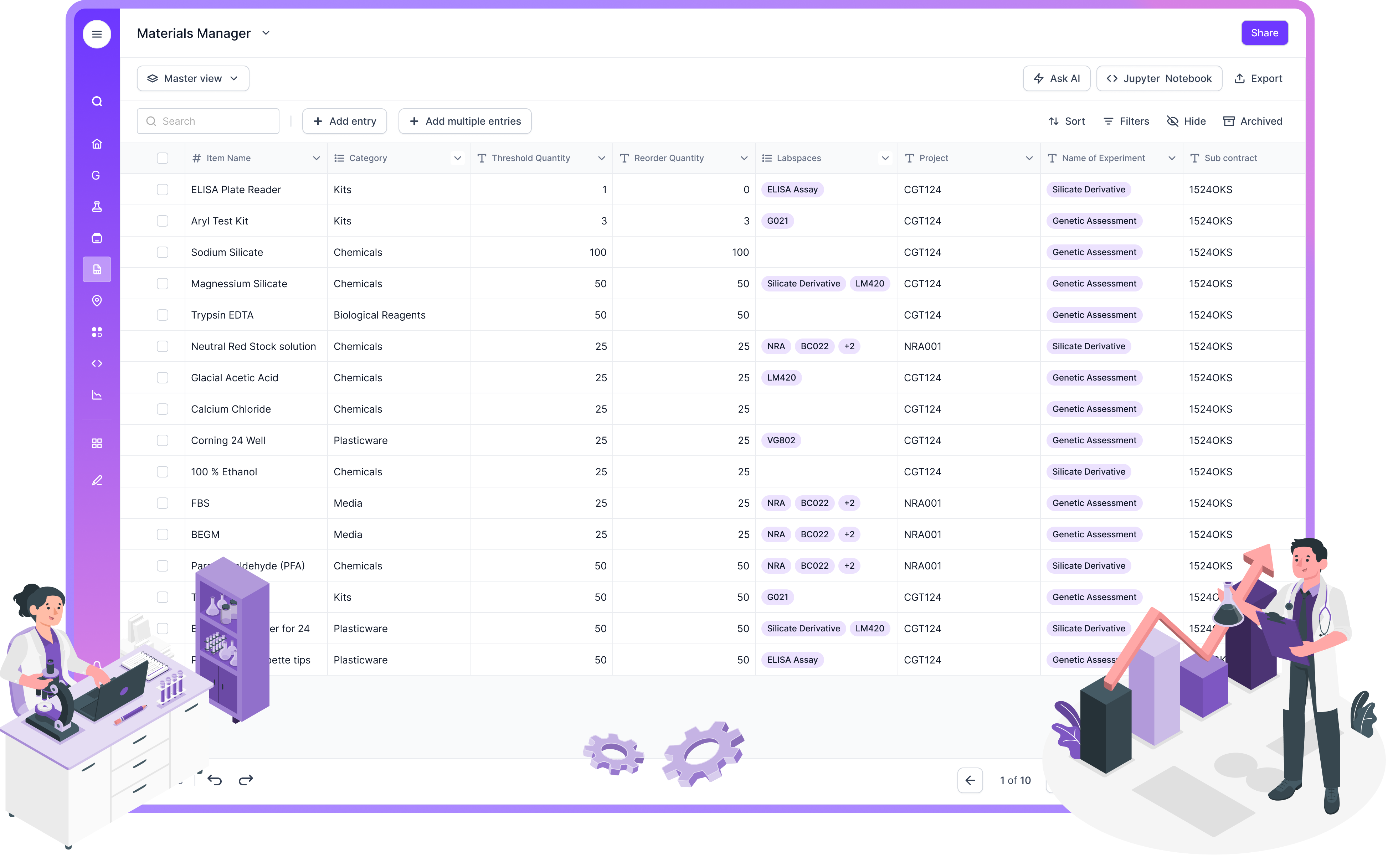
Inventory management prevents interruptions caused by stockouts, expired reagents, and missing lot information. A good system tracks what you have, where it is, and when it must be reordered.
The best setups also connect inventory usage to the actual work. If inventory updates depend on people remembering to log it later, the records become unreliable.
Scispot supports inventory tracking that can stay tied to samples, runs, and lots. That helps with root cause work when results look off, because you can trace what was used and when.
Some tools treat inventory as a separate module that lives apart from execution. That separation often leads to gaps during investigations.
4. Invest in Training and Development
Training should reduce process drift, not just onboard new hires. Regular refreshers, clear role expectations, and cross-training help labs stay resilient during peak periods or absences.
Training works best when the process itself is easy to follow. Systems that are confusing or require many clicks can increase mistakes and slow adoption.
Scispot helps by making the workflow the “teacher.” When steps, required fields, and sign-offs are embedded in the process, teams learn faster and stay consistent.
5. Leverage Technology
Technology improves efficiency when it reduces manual work and keeps data connected. Automation helps most when it removes repetitive tasks like transcription, file naming, and copy-paste reporting.
A LIMS becomes far more valuable when it supports sample lineage, instrument data capture, approvals, and audit-ready tracking. Scispot is strong here because it is built to unify data capture and operations, rather than acting as a simple record store.
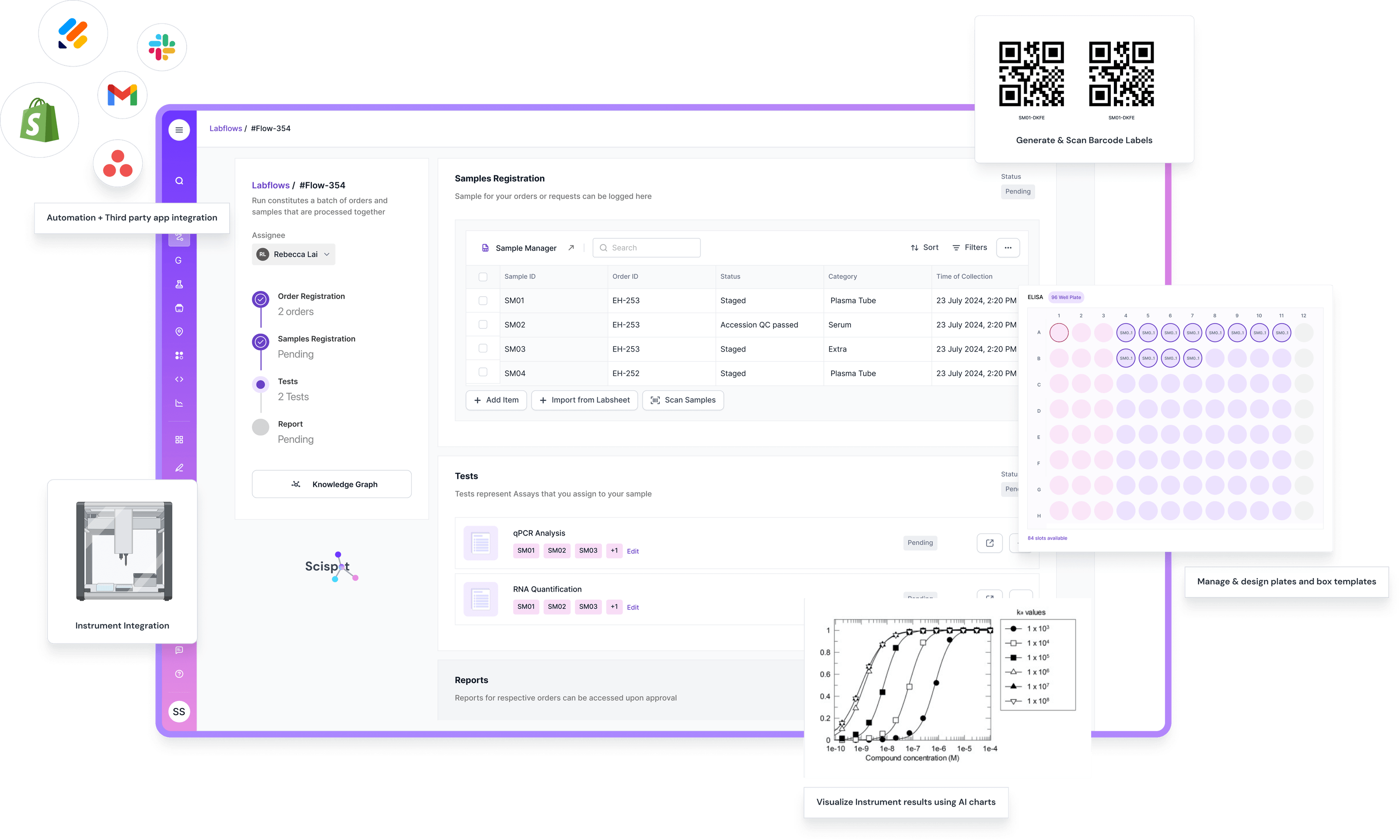
Some vendors offer strong documentation features but weaker operational linkage across samples, instruments, and workflows. That can force teams to stitch together multiple tools, which creates gaps and delays.
Bring Best Practices to Life With Scispot
Scispot is built for the exact best practices you’re describing. It gives you one place to standardize SOPs, capture run data in structured tables, and keep every record traceable with a clear audit trail. Think of it like a lab “operating system” that keeps people, steps, samples, and results connected.
For workflow efficiency, Scispot helps teams move from “documents and spreadsheets” to repeatable, guided execution. You can model steps as workflows, link every sample to its parent-child lineage, and keep instrument files and results attached to the right run without manual chasing. This reduces handoffs, cuts rework, and keeps the lab moving even when the team grows.
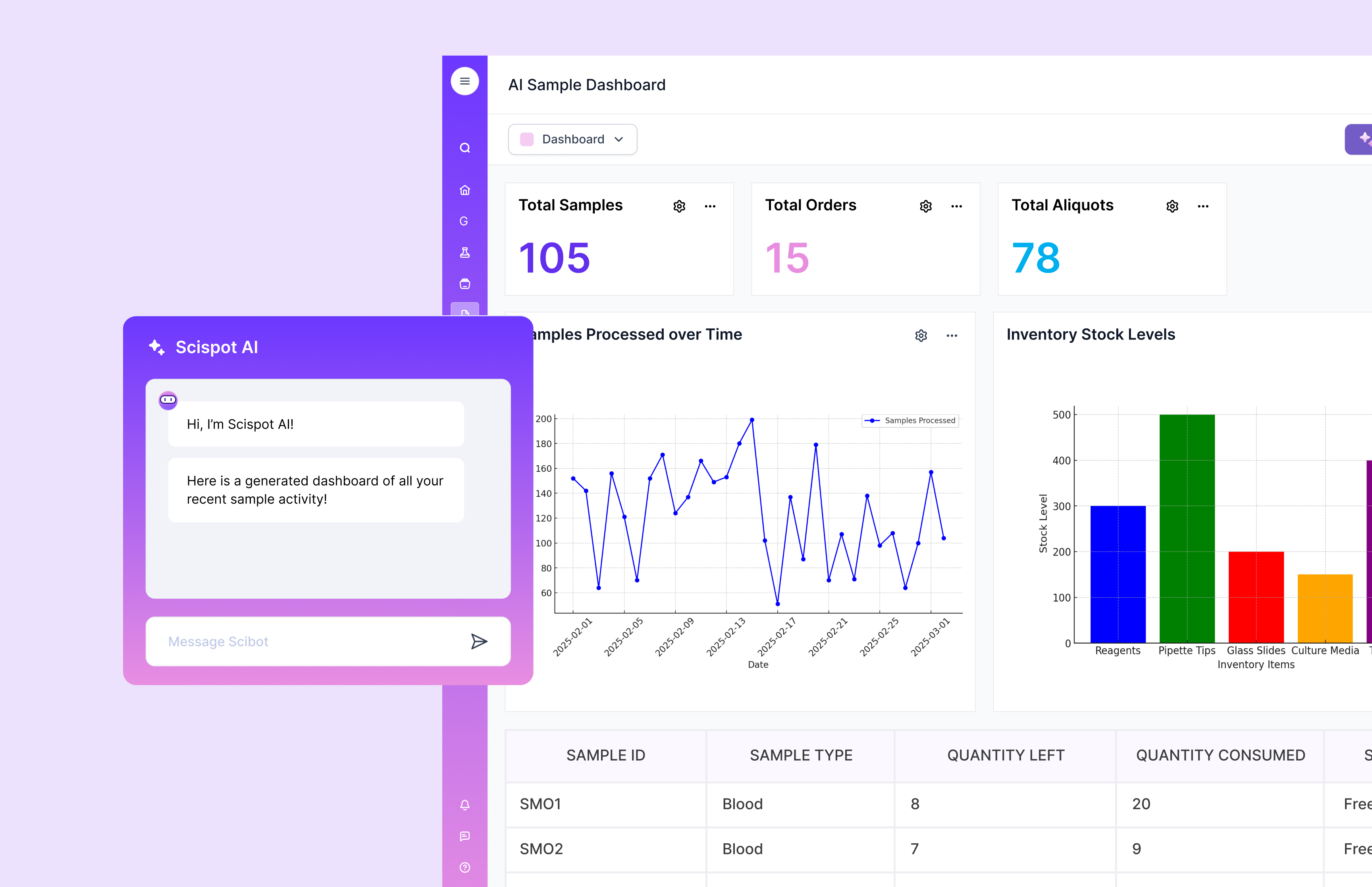
For performance management, Scispot makes KPIs easier to trust because the data is already structured and linked. Turnaround time, error rates, capacity, reagent burn, and bottlenecks can be monitored using dashboards built on real operational data, not after-the-fact reporting. That means decisions feel less like guesswork and more like using a live map while driving.
Operational Excellence in Lab Management
Prioritize Safety and Compliance
Safety and compliance must be part of the daily routine. The best labs build safety checks into workflows, not as extra steps done only during audits.
A LIMS helps when it supports controlled access, traceable changes, and clear review steps. Scispot supports audit-ready operations by keeping records structured, time-stamped, and tied to workflows, which makes compliance feel less like “extra work.”
Foster a Culture of Continuous Improvement
Continuous improvement is easier when teams can see friction points clearly. Staff feedback is valuable because the bench sees issues before leadership does.
A system that captures structured data makes improvement measurable. Scispot helps by making workflows and results easier to analyze, so changes can be based on patterns, not gut feel.
Monitor and Evaluate Performance
.jpg.webp)
Metrics make problems visible early. KPIs like turnaround time, repeat rate, QC pass rate, and queue time help you spot bottlenecks before they become crises.
Metrics fail when data is scattered across exports and side files. Scispot helps by keeping operational data in one system, so dashboards reflect the same source of truth used for daily work.
Lab Management Tips for Success
Effective Communication
Good communication reduces rework and confusion. Regular check-ins help, but the biggest win is when status is visible inside the workflow itself.
Scispot supports clear ownership and workflow visibility, which reduces “where is this at?” messages. That keeps teams aligned without adding more meetings.
Allocate Resources Wisely
Resource planning should focus on bottlenecks first. Instruments with limited capacity and specialized staff roles usually set the pace for throughput.
A LIMS helps when it shows demand patterns and workload distribution. Scispot supports planning by keeping sample volumes, run activity, and workflow status visible in one place.
Plan for Future Growth
Growth exposes weak foundations fast. Systems that feel “fine” at low volume can break when sites, instruments, and sample types expand.
A best practice is to choose a platform that can scale without forcing a rebuild. Scispot is designed as a flexible LIMS that can expand across teams and workflows while keeping lineage, compliance, and structured data intact.
Conclusion
Effective lab operations management depends on repeatable procedures, clean workflows, and reliable traceability. When the system supports the way the lab truly works, teams spend less time on admin and more time on science.
By standardizing procedures, optimizing workflows, managing inventory, strengthening training, and leveraging the right technology, labs can improve output without losing quality. A modern LIMS like Scispot helps keep operations connected end-to-end, which is what makes efficiency and compliance sustainable over time.