

.webp)
Molecular Testing Labs: Precision Medicine & Diagnostics
Molecular testing labs play a central role in modern healthcare. They help detect disease, guide treatment, and support work across molecular biology and diagnostics.
They also sit at the heart of precision medicine. By showing how a person’s genes relate to disease, these labs help clinicians choose treatments that better fit the patient. That often leads to better outcomes.
Genetic screening and DNA analysis are core parts of this work. They help identify inherited risk factors and detect disease early, when treatment can be more effective.
Clinical laboratories with molecular testing capabilities offer more advanced diagnostic services. They use modern tools to deliver fast, accurate results, which matters when medical decisions depend on timing.
These labs also play a major role in cancer diagnostics. They support early detection and help shape more personalized treatment plans. That can improve survival rates.
Demand for molecular testing labs continues to grow. As personalized medicine becomes more common, their role becomes even more important. They support modern diagnostics, treatment decisions, and ongoing medical progress.

The Role of Molecular Testing Labs in Modern Healthcare
Molecular testing labs matter because they help explain how diseases work and how patients respond to treatment. That makes them an important part of many advances in healthcare.
They detect disease early through molecular diagnostics. Early detection often improves treatment success and patient outcomes. Their impact shows up across many areas of medicine.
Precision medicine depends heavily on data from these labs. It uses genetic information to shape treatment around the individual instead of a broad standard approach.
These labs also help researchers and clinicians understand the molecular basis of disease. That knowledge supports targeted therapies and newer treatment strategies. It also improves our understanding of what causes disease in the first place.
Genetic screening is another major part of their work. It helps identify inherited risks, which can support prevention and earlier care.
Molecular testing labs use advanced methods to deliver accurate results. Their work supports cancer diagnostics, infectious disease tracking, and many other parts of medicine.
Some of their main roles include:
- Early and accurate disease detection
- Support for personalized treatment plans
- Identification of genetic risk
- Support for targeted therapy development
The impact of molecular testing labs on healthcare is wide and growing. They continue to change how diseases are diagnosed and managed, and they remain a core part of modern medicine.
Core Technologies and Methods in Molecular Testing Labs
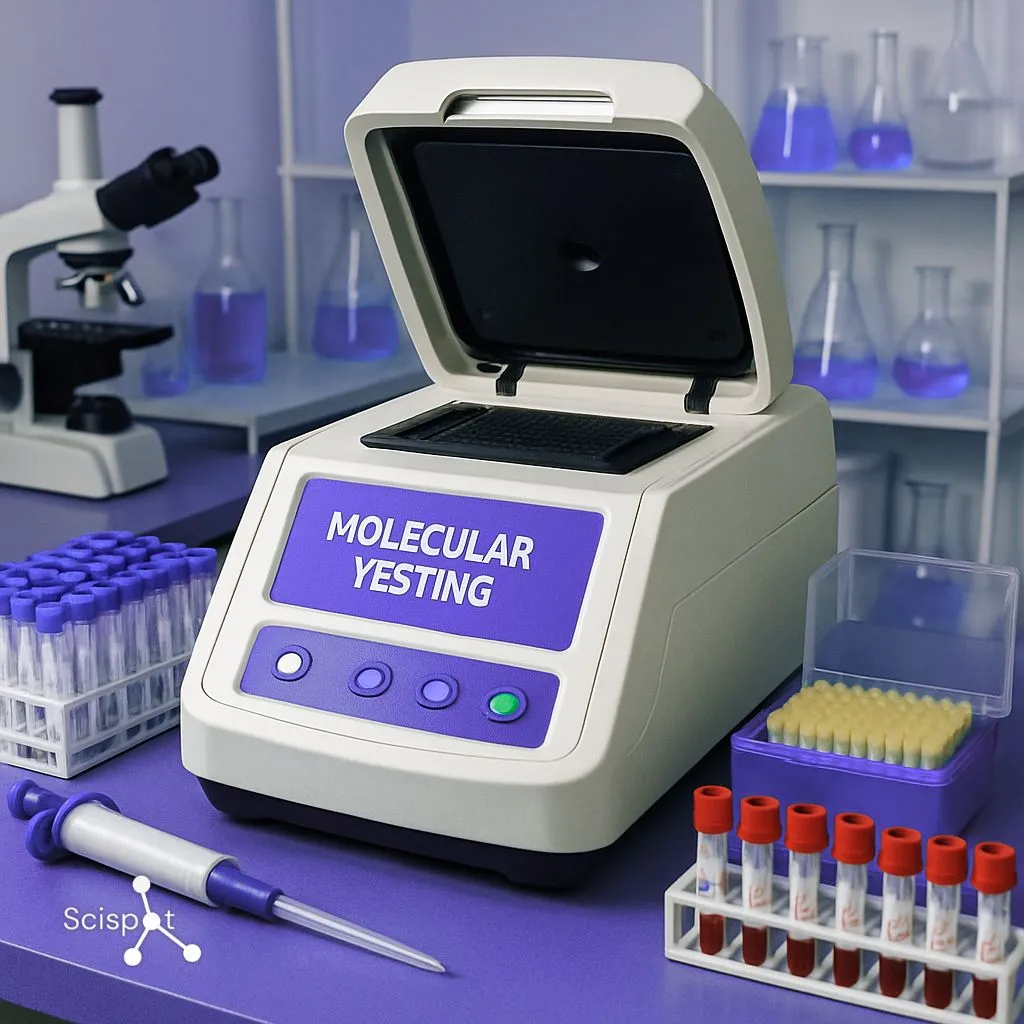
Molecular testing labs rely on advanced technologies to do this work. These tools are central to modern diagnostics and research because they improve precision and reliability.
One of the most common methods is Polymerase Chain Reaction, or PCR. PCR amplifies DNA segments, which makes it possible to detect even very small amounts of genetic material. It also delivers results quickly, which helps with timely medical decisions.
DNA sequencing is another key tool. It reads the order of nucleotides in DNA and helps reveal mutations linked to genetic disorders.
Labs also use microarray analysis. This method helps examine gene expression and identify biomarkers, and it can also support studies of genetic diversity.
Common technologies and methods include:
- Polymerase Chain Reaction (PCR)
- DNA sequencing
- Microarray analysis
- Next-generation sequencing (NGS)
- Fluorescence in situ hybridization (FISH)
Next-generation sequencing, or NGS, has changed both research and diagnostics. It allows whole genomes to be sequenced quickly and at lower cost, which supports the growth of personalized medicine.
Fluorescence in situ hybridization, or FISH, helps visualize genetic abnormalities. It can detect and locate specific DNA sequences and is often used to diagnose chromosomal abnormalities.
Together, these technologies expand what molecular testing labs can do. They also support the development of new therapies and better health outcomes.
Molecular Diagnostics: From Disease Detection to Precision Medicine
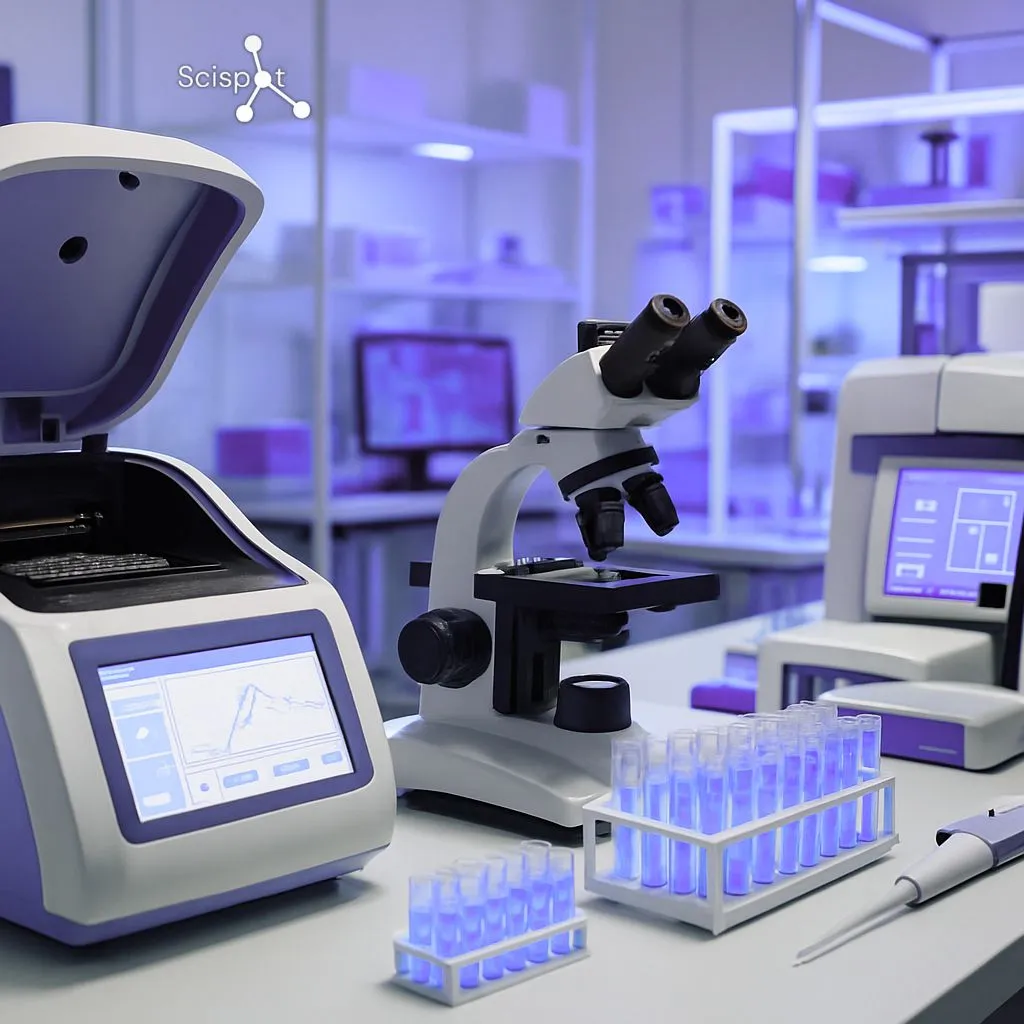
Molecular diagnostics improve disease detection by analyzing biological markers with a high level of precision. This supports earlier action and more tailored treatment decisions.
Traditional diagnostic methods can miss subtle genetic changes. Molecular diagnostics go deeper by looking at the genome and proteome. That helps identify mutations and inherited risks linked to disease.
Precision medicine depends on this kind of data. Treatments can be matched to a person’s genetic makeup, which can improve outcomes and reduce side effects.
In oncology, molecular diagnostics are especially important for tumor profiling. They help identify mutations that can be targeted with more personalized cancer therapies. This approach has improved survival rates in many settings.
Molecular diagnostics are used in areas such as:
- Cancer tumor profiling
- Infectious disease detection
- Pharmacogenomics for personalized therapies
- Genetic risk screening
- Rare disease identification
In infectious disease care, fast and accurate pathogen identification is essential. Molecular diagnostics make it possible to respond quickly to outbreaks such as COVID-19. That speed helps contain spread and supports public health decisions.
Pharmacogenomics is another growing area. It looks at how genes affect a person’s response to drugs, which helps doctors choose the right medication more effectively.
As molecular diagnostics become part of routine care, they continue to change how medicine works. They support earlier detection, more precise treatment, and better health outcomes.
Genetic Screening and DNA Analysis: Unlocking the Genome
Genetic screening helps identify disease risk by examining genetic markers tied to future health issues. That makes it useful for early action and prevention.
DNA analysis adds another layer of insight. By sequencing DNA, labs can identify mutations and variations that help explain genetic disorders.
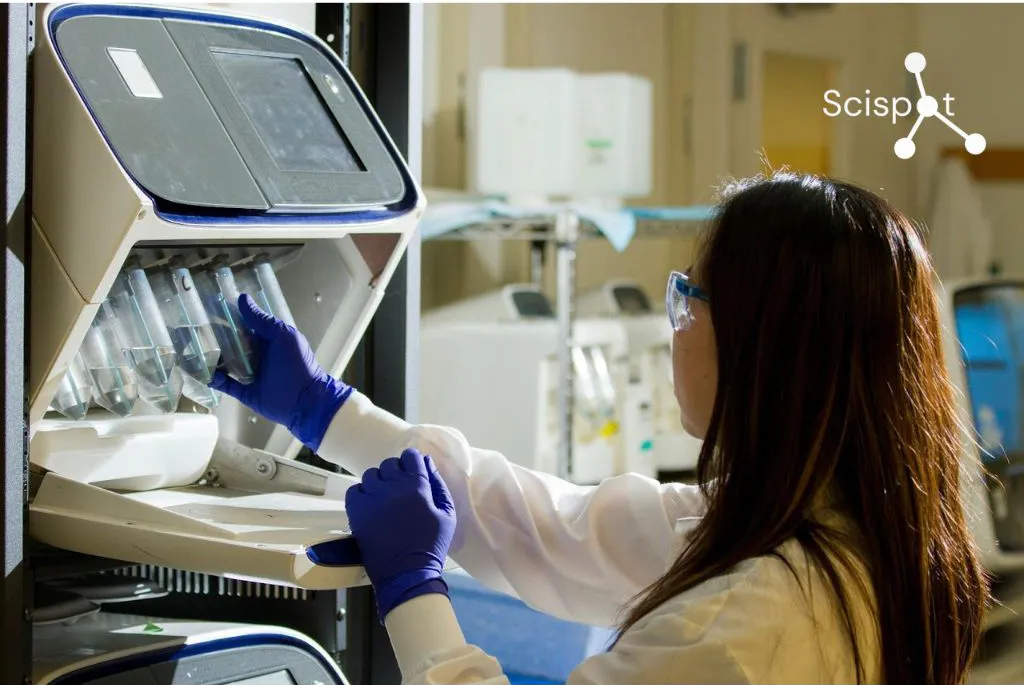
Molecular testing labs carry out these complex analyses with advanced tools that produce fast, accurate results. That level of detail matters in both research and clinical care.
Genetic screening and DNA analysis can support:
- Identification of hereditary conditions
- Early disease detection and intervention
- Development of personalized treatment plans
- Prenatal screening for genetic anomalies
- Better understanding of genetic diversity in populations
One important use is prenatal care. Genetic screening helps expectant parents understand possible risks early, which can improve pregnancy management and preparedness.
AI is also starting to improve genetic analysis. Machine learning can process very large datasets and spot patterns that people might miss. This is expanding what genetic research can do.
Genetic screening and DNA analysis continue to reshape healthcare. They support earlier detection, better disease management, and new progress in personalized medicine.

Clinical Laboratories and Lab Testing Services: Integration and Impact
Clinical laboratories are a core part of healthcare. They work closely with molecular testing labs to improve diagnostic accuracy and support patient care.
Lab testing has changed a lot with newer methods. Tools such as PCR, sequencing, and microarray analysis give more detailed insight into patient health.
Lab testing services may include:
- Routine blood and urine tests
- Specialized molecular diagnostics
- Identification of infectious diseases
- Cancer screening and monitoring
- Pharmacogenetic testing for drug efficacy
When molecular testing is built into clinical lab workflows, labs can move faster and reduce turnaround time. That matters when clinicians need results quickly.
Precision medicine also depends on this data. Lab findings help shape more tailored treatments, which can improve outcomes and patient satisfaction.
Clinical labs keep adapting as new methods and tools appear. That flexibility helps them stay essential to modern healthcare. The close link between clinical labs and molecular testing continues to move medical science forward.

Applications Across Medicine: Oncology, Infectious Disease, and Beyond
Molecular testing labs play a major role in oncology. They help detect cancer early, monitor disease, and profile tumors to support more personalized treatment.
In infectious disease care, molecular methods help identify pathogens quickly and accurately. That improves outbreak response and disease management.
Precision medicine also benefits from the detailed analysis these labs provide. Genetic profiles can guide therapy choices for chronic conditions and help reduce side effects.
Beyond oncology and infectious disease, molecular labs also support:
- Diagnosis and treatment planning for genetic disorders
- Prenatal screening for genetic abnormalities
- Cardiology assessments for inherited heart conditions
- Neurology research on neurodegenerative disease
- Pharmacogenomics for more effective medication planning

Rare disease research also depends on molecular testing labs. These labs help uncover the genetic causes of uncommon conditions, which supports more targeted interventions.
Environmental health is another growing area. Molecular testing can help assess how pollutants affect human health, which can inform policy and public health action.
The reach of molecular testing labs is broad. Their work supports both research and clinical care across many fields, and that reach continues to grow.
Innovations and Future Trends in Molecular Testing Labs
Molecular testing labs continue to adopt new technology to improve diagnostic precision. One major shift is the use of artificial intelligence.
AI can improve data analysis in molecular diagnostics. Machine learning models can raise the accuracy of test results and support faster, more reliable care.
Another trend is smaller diagnostic tools. Portable and point-of-care devices are becoming more common, which makes testing easier to access and less invasive.
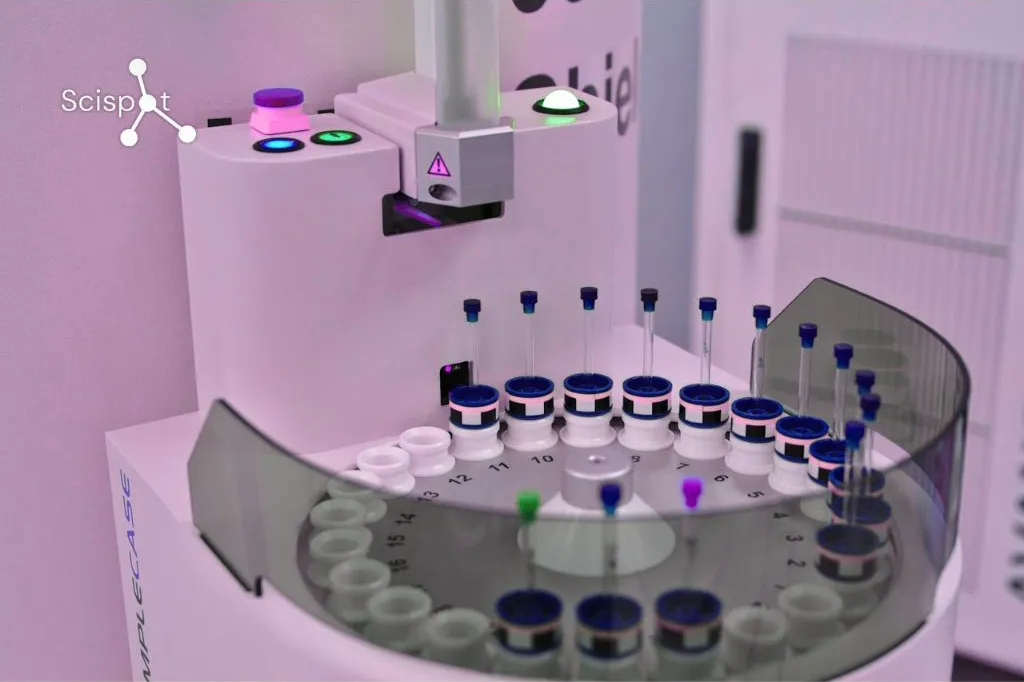
Some trends to watch include:
- Next-generation sequencing for detailed genetic mapping
- Blockchain for secure and transparent data sharing
- CRISPR for precise editing of genetic information
- Multiplex assays for testing multiple markers at once
- Cloud computing for data management and collaboration
Biotechnology continues to expand what lab testing can do. Better sample analysis is only one part of that shift. New diagnostic possibilities are likely to follow.
As technology improves, molecular testing labs will keep growing in scope. They are likely to offer even deeper insight into human health and disease.
Choosing the Right Molecular Testing Lab: Key Considerations
Choosing a molecular testing lab takes careful review. The right lab can directly affect diagnostic quality and treatment decisions.
Accreditation and certification are important signs of quality. Labs should meet regulatory standards, because that supports reliable and valid results.
Things to consider include:
- Technology and equipment. Make sure the lab uses modern tools.
- Expertise. Skilled staff improve result quality and reliability.
- Turnaround time. Fast results can matter for timely diagnosis.
- Customer support. Clear communication helps a lot.
- Cost. Affordability matters, but not at the expense of quality.
The lab’s services should match the specific healthcare need. Comparing options carefully makes it easier to choose the right fit.

Conclusion: The Expanding Frontier of Molecular Testing Labs EVS
Molecular testing labs remain central to modern diagnostics. Their role in disease detection and precision medicine continues to grow as healthcare becomes more data-driven and personalized.
The use of advanced technologies increases their impact. As these labs get better at interpreting complex genetic data, they help improve treatment strategies and expand what is possible in both healthcare and research.
EVS fits into this broader shift.