

Molecular Diagnostic Testing: Precision in Health
When you feel unwell, you do not want a guess. You want a clear answer. For a long time, health diagnostics depended a lot on visible symptoms, like fever or an inflamed throat. That means looking for signs after the problem has already started. Molecular diagnostic testing works differently. It looks for the specific biological signal behind the illness itself.
A simple way to think about it is this. Standard screening often works from broad clues. Molecular testing looks for a biological “ID card,” the DNA or RNA linked to a specific virus, bacteria, or cell. According to medical experts, because these tests look for targeted genetic code instead of waiting for symptoms to show up, they can offer up to 99% accuracy.
That level of precision helps doctors detect illness earlier than many traditional tests can. By finding tiny pieces of genetic evidence directly, molecular testing can catch signs that older methods often miss.

How your DNA works like a biological instruction manual
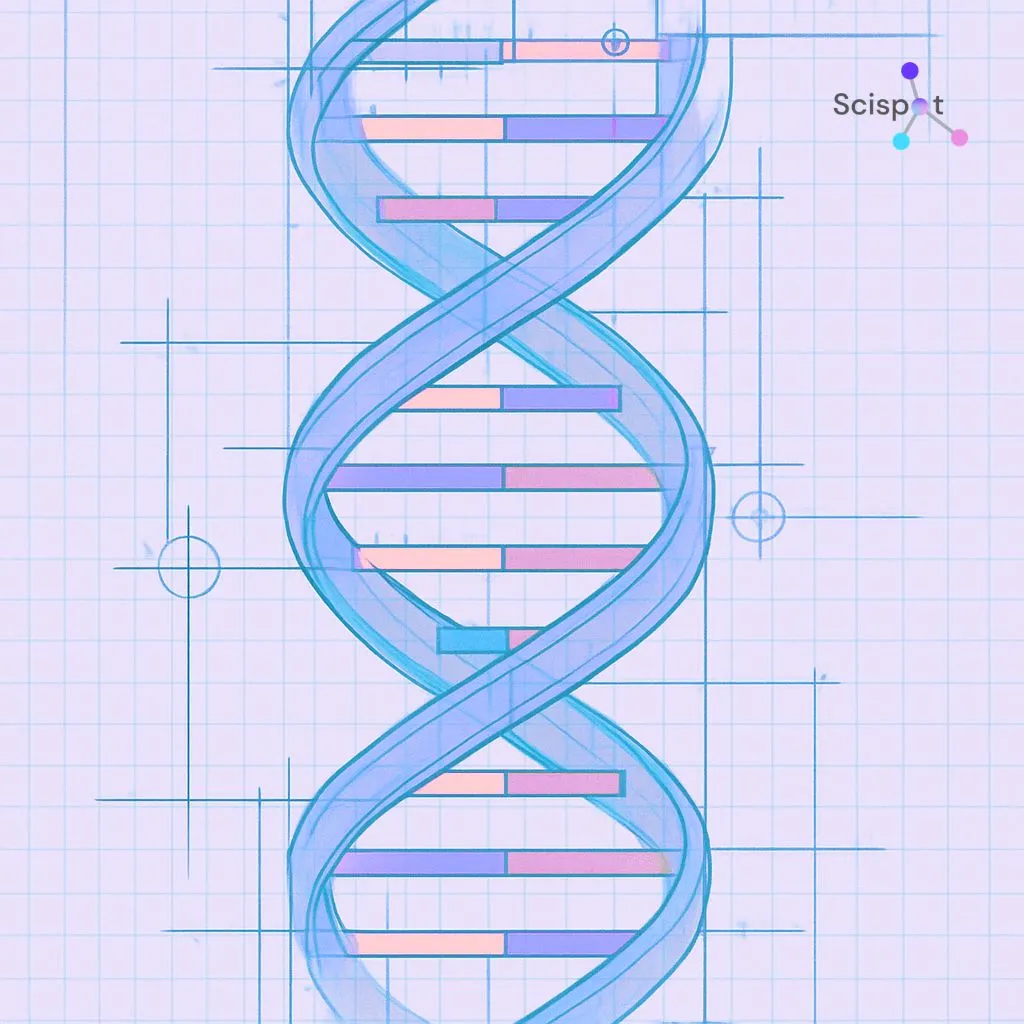
Your DNA holds the core instructions for your body. During genetic testing, doctors look for specific changes or “typos” in that manual. This process, called genomic profiling, reads your biological code to show whether you may have inherited health risks or whether illness has changed your cells.
While that blueprint stays protected deep inside your cells, your body also sends out temporary messages called RNA. These messages help carry out the instructions. Modern molecular diagnostics often focus on RNA because it shows what is active right now. That helps doctors spot when a virus or infection has started sending its own harmful signals.
Finding these tiny clues is the basis of modern personalized medicine. Knowing the difference between your long-term genetic code and these active messages helps doctors make more informed decisions. To get those answers, the testing process follows a clear path from sample collection to analysis.
From swab to answer. The 3-step path of your sample
Getting a sample used to mean more invasive procedures. Today, doctors can often use a simple blood draw. This is one reason liquid biopsy has become easier for many patients compared with tissue biopsy. Instead of surgery, blood can carry small biological clues that help reveal what is going on.
Once the sample is collected, it moves into sample preparation. At this stage, technicians separate the useful genetic material from regular cells and proteins. They often do this by spinning the blood or swab sample in a machine at high speed. That helps isolate the biological material needed for testing.
The sample is then transported safely to the lab for analysis. Lab teams use that clean material to run molecular tests and biomarker testing that can reveal hidden signs of disease. If the genetic material is not separated well during preparation, sensitive machines may pick up the wrong signal.
Even when preparation goes well, there may not be enough genetic material to detect right away. In those cases, scientists use amplification methods to make more copies of the target material before analysis.

How PCR finds a needle in a haystack
To understand how PCR tests work, it helps to know one key idea: amplification. PCR, or Polymerase Chain Reaction, works like a biological photocopier. The genetic material in a sample is often too small to read as it is. PCR copies a specific DNA sequence millions of times so scientists have enough material to measure clearly.
This is one reason PCR differs from antigen testing. Standard antigen tests usually turn positive only when there is already a large amount of the illness in the body. PCR can measure viral load, the amount of virus in your system, and detect infection when only a small amount is present.
Doctors rely on PCR for three main reasons:
Early detection: It can identify illness before symptoms appear.
Sensitivity: It can detect very small traces of disease.
Specificity: It can identify the exact bug, which helps avoid the wrong treatment.
Today, rapid detection of infectious disease does not always require sending samples to a large central lab. Point-of-care diagnostic devices can now bring this technology closer to the clinic. Still, when doctors do not know what target they are looking for, they may need a broader tool.

Next-generation sequencing. Reading the whole book to find one typo
When a doctor does not know exactly what illness may be present, looking for one known sequence at a time can be too narrow. That is where next-generation sequencing, or NGS, comes in. Instead of copying one known piece of genetic material, these systems break the sample into small pieces and read many of them at once. The machine uses tagged signals to identify each DNA building block and reconstruct the sequence.
This works at a very large scale. High-throughput sequencing lets the lab process millions of genetic fragments at the same time. The difference between PCR and NGS is easier to see this way:
Targeted testing (PCR): Like searching for one known word in a document.
Sequencing (NGS): Like reading the whole document to find any unexpected change.
This wider view can help solve more complex cases. It can identify drug-resistant bacteria, which helps doctors avoid antibiotics that will not work. It can also improve diagnostic accuracy for rare diseases that standard tests may miss. By showing what is happening across a patient’s biology, sequencing can support more precise treatment decisions.
Precision medicine. Getting the right treatment the first time
We have all seen cases where one medication works well for one person but causes side effects in someone else. Part of that difference can be explained by genetics. Pharmacogenomics looks at how your body’s genetic makeup affects the way you respond to drugs. Instead of relying only on trial and error, doctors can use genetic data to predict which treatments may work best and which ones may cause problems.
This is a core part of precision medicine. With personalized medicine and genomic profiling, providers can choose targeted therapies based on the biology of a specific disease. That can reduce time lost on treatments that are unlikely to work for a particular patient.
Molecular testing can also help before symptoms appear. Doctors can look for early-stage cancer markers, small pieces of genetic material in the blood that may signal a problem early. Catching those signs sooner can give patients more options and more time to act.
Your diagnostic action plan. How to talk to your doctor about results
Molecular testing helps move diagnosis beyond educated guesswork. It connects symptoms to direct biological evidence. That gives doctors a more accurate basis for treatment and gives patients more clarity.
When you speak with your doctor, these five questions can help guide the conversation:
- What specific marker or “typo” did this test look for?
- How accurate is this molecular test compared to a standard test?
- Does this result change the medications you would prescribe?
- Are more tests needed to confirm this diagnosis?
- What does this mean for my long-term health plan?
Once you understand how molecular testing works, the process feels less abstract. The medical terms may still be technical, but the logic becomes much clearer. You can walk into that conversation better prepared and ask sharper questions about what comes next.