

.webp)
cloud-based LIMS solutions
Think about the last time you tried to find a specific photo on a phone you lost three years ago. Now picture a scientist trying to find one blood test result buried in a room full of paper files. Manual paper tracking creates real risk. Records go missing, and delays can affect patients.
Every time you drink tap water or take prescription medicine, there is usually a digital system helping labs verify safety. Most modern testing labs no longer rely on handwritten notes and paper logs. They use software to record work clearly and keep data in one place.
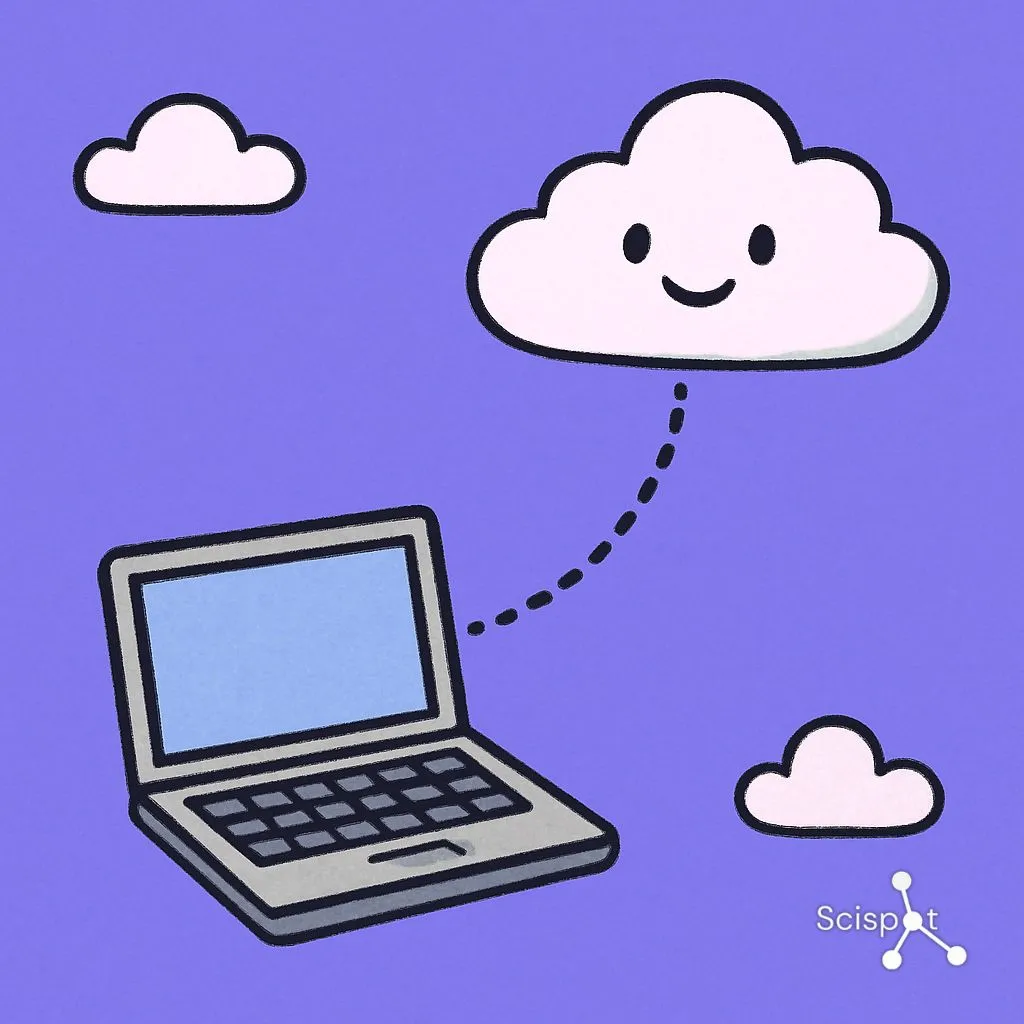
That system is called a Laboratory Information Management System, or LIMS. It gives labs a central place to manage samples, data, workflows, and results. A cloud-based LIMS is simply that same system delivered online, so approved users can access it from any authorized computer.
Meet Your Lab’s New Digital Brain: What is a LIMS?
Before a chocolate bar reaches a store shelf, scientists may test it for safety. Instead of tracking that work on paper, many labs now use software to manage the process. That central system is a LIMS, short for Laboratory Information Management System.
Instead of passing around folders, staff move work forward in one shared digital system. When a chocolate sample comes in, the system can help the receiving clerk log it, the technician run the right tests, and the manager review the outcome. People do not have to stop and ask what comes next.
A LIMS usually handles four core jobs:
- Logging a sample when it arrives
- Tracking the tests that need to happen
- Storing results securely
- Creating clear reports
These systems help labs save time and reduce avoidable mistakes. Once a lab decides to use a LIMS, the next choice is where that system will live: on local servers or in the cloud.
Local Servers vs. The Cloud: Why the Internet is Your Best Lab Partner
Think about keeping your life savings under a mattress instead of in a bank. For years, many labs treated data that way by keeping it on computers inside the building. A cloud-based LIMS moves that data to secure remote servers.
The older setup, usually called on-premise storage, meant buying and maintaining physical servers. Those machines took up space and needed upkeep. If there was a flood, pipe burst, or hardware failure, the lab could lose years of work. Someone also had to install updates and keep the system running.
With cloud-based software, labs do not have to worry as much about the hardware itself. The servers are managed in secure facilities, and software updates are usually handled automatically. That makes the system easier to maintain day to day.
Cloud access also makes remote work easier. A manager can log in from home and check whether a routine chocolate safety test is done. That is one of the big benefits of SaaS laboratory software. The software is delivered as a service over the web, so staff are less tied to one desk or one building.
Moving data off local hard drives can reduce risk and cut delays caused by aging hardware or local outages. Access matters, but access alone is not enough. Labs also need strong controls to protect data from being changed or misused.
Why Scispot is a Preferred Cloud-Based LIMS Solution
Scispot is a strong option for labs moving to the cloud because it brings sample tracking, workflow automation, instrument data, reporting, and compliance support into one system that feels practical to use every day. Instead of making teams juggle spreadsheets, paper logs, disconnected tools, and manual follow-ups, Scispot gives labs a clear way to manage work from sample intake to final result.
For growing biotech, diagnostics, and research teams, that can mean faster turnaround, fewer handoff errors, better traceability, and a cloud-based LIMS setup that can scale without adding more operational mess.
The Digital Notary: Ensuring Every Result is Honest and Safe
When you trust your drinking water or a medical test result, you need confidence that the data is correct. In digital labs, data integrity means keeping information complete, accurate, and protected from hidden changes.
With paper records, someone could cross out a number and write in a new one. A modern cloud system handles this more safely. It records activity automatically and helps prevent silent changes after data has been entered.
One key part of this is the audit trail. You can think of it as a digital record of every important action inside the system. It helps labs show what happened, who did it, and when. It also supports compliance with rules such as FDA 21 CFR Part 11.
A good audit trail captures three main details:
- Who did the work
- When it was done
- What changed, including the original value and any updates
That kind of record gives scientists and reviewers more confidence in the data. It also creates a solid base for broader lab automation.
From Sample to Result: Streamlining the Journey with Automation
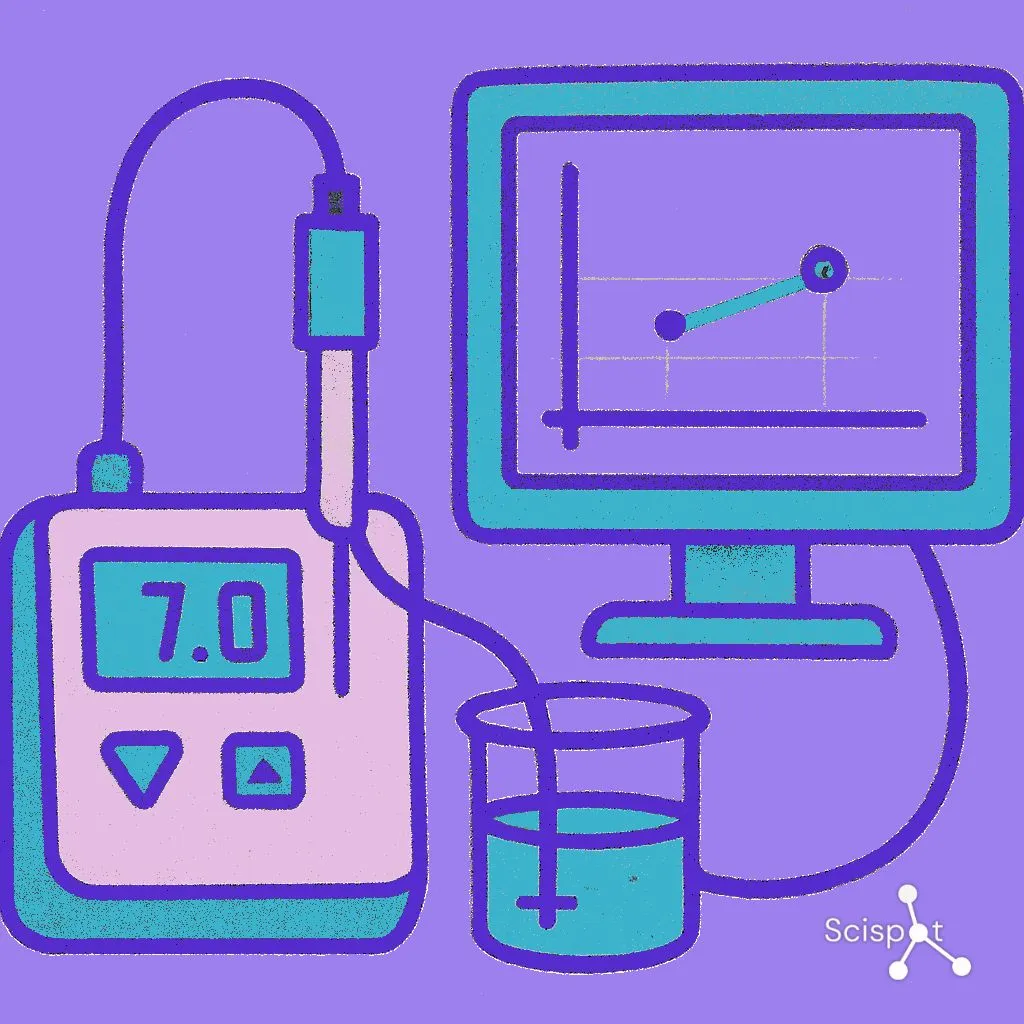
A smartwatch can send your heart rate to your phone without you writing anything down. Modern lab instruments can work in a similar way. Testing machines connect to the software and send data straight into the system.
That matters because sample tracking used to involve a lot of manual effort. Staff had to follow a tube through each step, write things down, and make sure nothing got missed. With better automation, the software can track each sample through the process and guide users through the right steps.
This also reduces typing mistakes. When results move directly from an instrument into the cloud system, labs do not have to rely as much on copying numbers into a spreadsheet by hand. That helps keep the final record more accurate.
Once data flows into one system, labs can also do more with it. Managers can spot trends faster, and scientists can spend more time on the actual work instead of chasing paperwork. Better daily operations often bring cost benefits too.
Cutting Costs Without Cutting Corners: The Business of Cloud Software
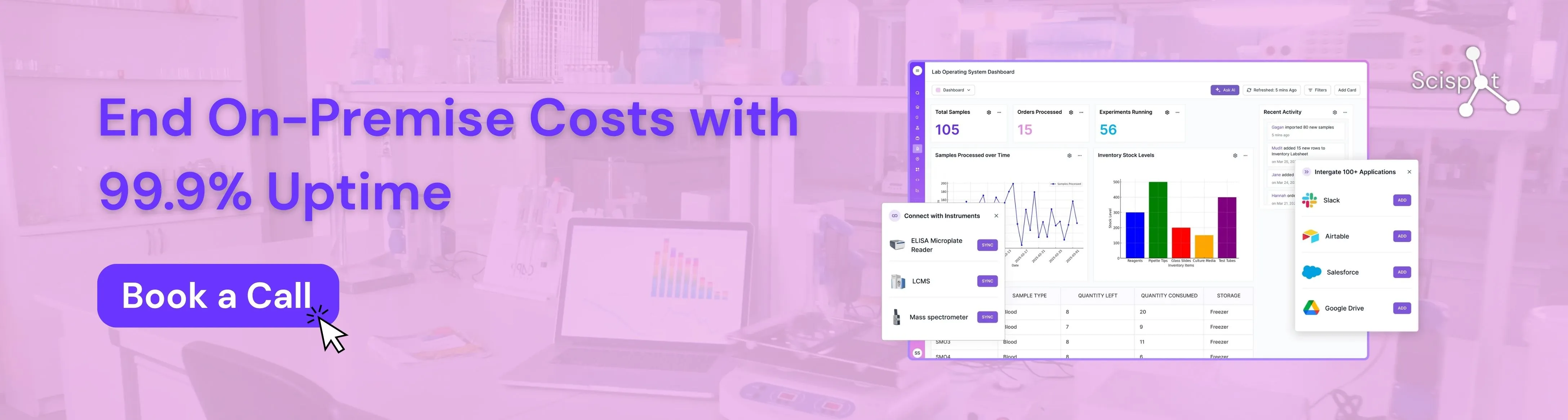
Traditional software can be expensive to own and maintain. There is the upfront cost, the hardware, the upkeep, and the people needed to keep it all working. SaaS changes that model by shifting much of the maintenance to the software provider.
When labs look at the full cost of ownership, local systems often come with hidden costs. They may need servers, cooling, storage space, IT support, and time spent on routine updates. Moving to the cloud can reduce a lot of that burden.
This usually helps in three main ways:
- No need to buy and house expensive hardware
- Less internal IT effort for routine maintenance
- Pricing that can grow with the lab
Paying for what the lab actually needs can help control costs without giving up speed or reliability. For many growing labs, that makes cloud software a practical next step.
Taking the First Step Toward Your Digital Laboratory
Moving from paper to cloud-based systems can make a lab more organized, faster, and easier to manage. A cloud-based LIMS is more than a storage tool. It helps labs track work, protect data, and make results easier to trust.
If you are thinking about using cloud laboratory systems in your own lab, start with the biggest pain point. Find the one manual task that causes the most daily frustration. It might be transcribing handwritten notes. It might be hunting for lost files. Once you know the bottleneck, it gets much easier to look for the right digital fix.
Labs are moving in the same direction as the rest of the world. Better access, better tracking, and better reliability are becoming the norm. Cloud infrastructure helps labs keep their work secure, usable, and ready for what comes next.