.webp)
TL;DR
- Difference between dry lab and wet lab work is materials versus models: wet labs handle liquids and specimens; dry labs compute and simulate.
- Wet labs use pipettes, centrifuges, microscopes, and fume hoods, with techniques such as titration, chromatography, and spectrophotometry.
- Dry labs emphasize theory, simulation, and data interpretation, and they still need the experimental context behind every dataset.
- Scispot keeps wet-lab work and dry-lab outputs on the same record so samples, metadata, files, results, and QC stay tied together.
Difference between dry lab and wet lab work starts with materials versus models. A wet lab is where scientists run experiments with liquids, biological specimens, and chemicals, using equipment such as beakers, pipettes, centrifuges, microscopes, and fume hoods. Techniques include titration, chromatography, and spectrophotometry, all under lab safety rules. A dry lab focuses on theoretical analysis, computer simulations, and data interpretation rather than handling wet chemicals. Both settings matter in modern research, and many projects need a handoff between them. This article explains equipment, techniques, safety, and how records should stay tied when wet-lab observations feed dry-lab analysis.
Equipment, safety, and computational work
When it comes to scientific research, the terms "wet lab" and "dry lab" frequently come up. Both play crucial roles in the world of science, but they serve different purposes and require distinct approaches. Understanding these differences is essential for anyone involved in or considering a career in scientific research.
In this article, we'll delve into the fundamental distinctions between wet labs and dry labs, the equipment used, lab safety protocols, and the types of research conducted in each setting.
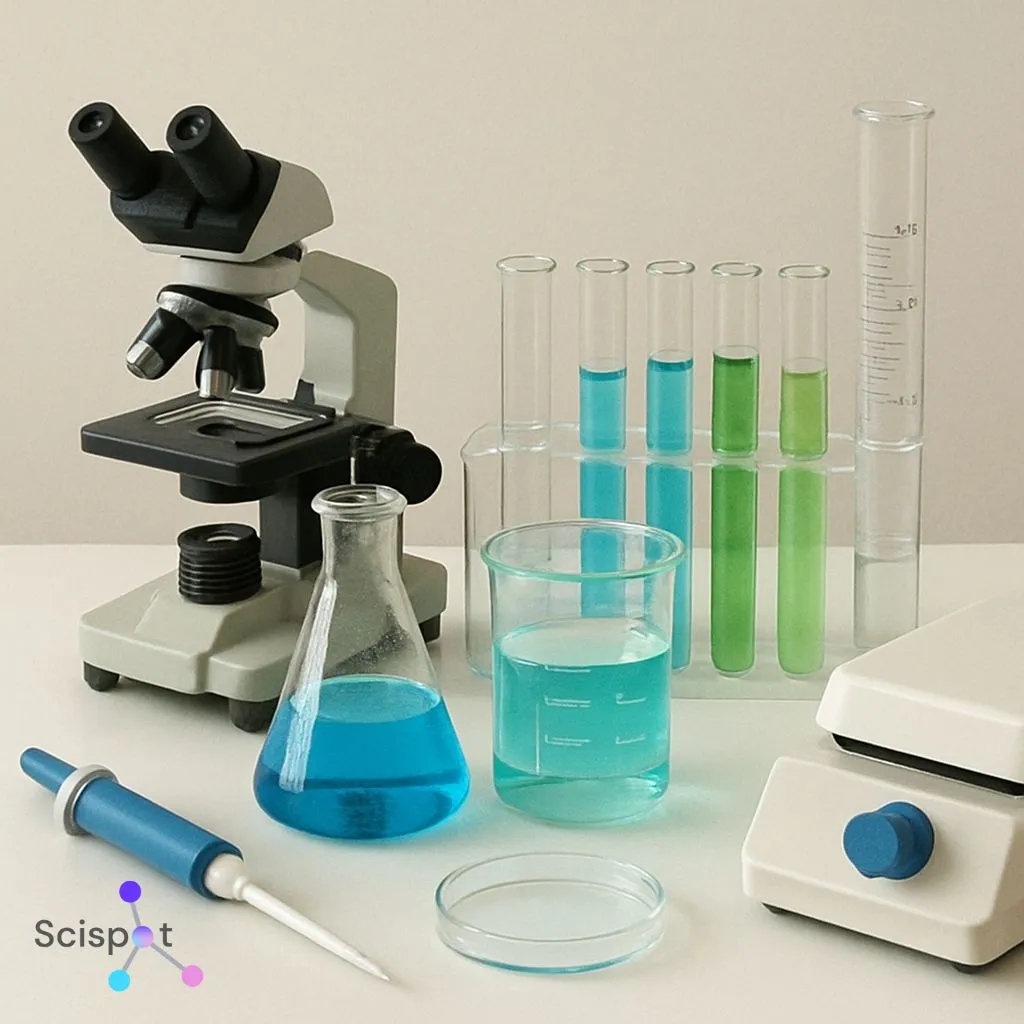
A wet lab is a type of laboratory where scientists conduct experiments involving liquid substances, biological specimens, and chemicals. These labs are equipped to handle wet chemical testing, biological testing, and experimental biology. Wet labs are essential for research that requires physical manipulation of materials and observation of chemical reactions.
Equipment in a Wet Lab
Wet labs require a variety of specialized equipment to carry out experiments. Common wet lab equipment includes:
- Beakers and Flasks: Used for mixing, heating, and storing liquids.
- Pipettes and Burettes: Essential for precise measurement and transfer of liquids.
- Centrifuges: Used to separate substances of different densities.
- Microscopes: Vital for observing small specimens or reactions.
- Fume Hoods: Ensure safety by ventilating hazardous fumes generated during experiments.
Wet Lab Techniques
In a wet lab, researchers use techniques like titration, chromatography, and spectrophotometry to analyze samples. These techniques involve hands-on manipulation of materials and require strict adherence to lab safety protocols.
What Is a Dry Lab?
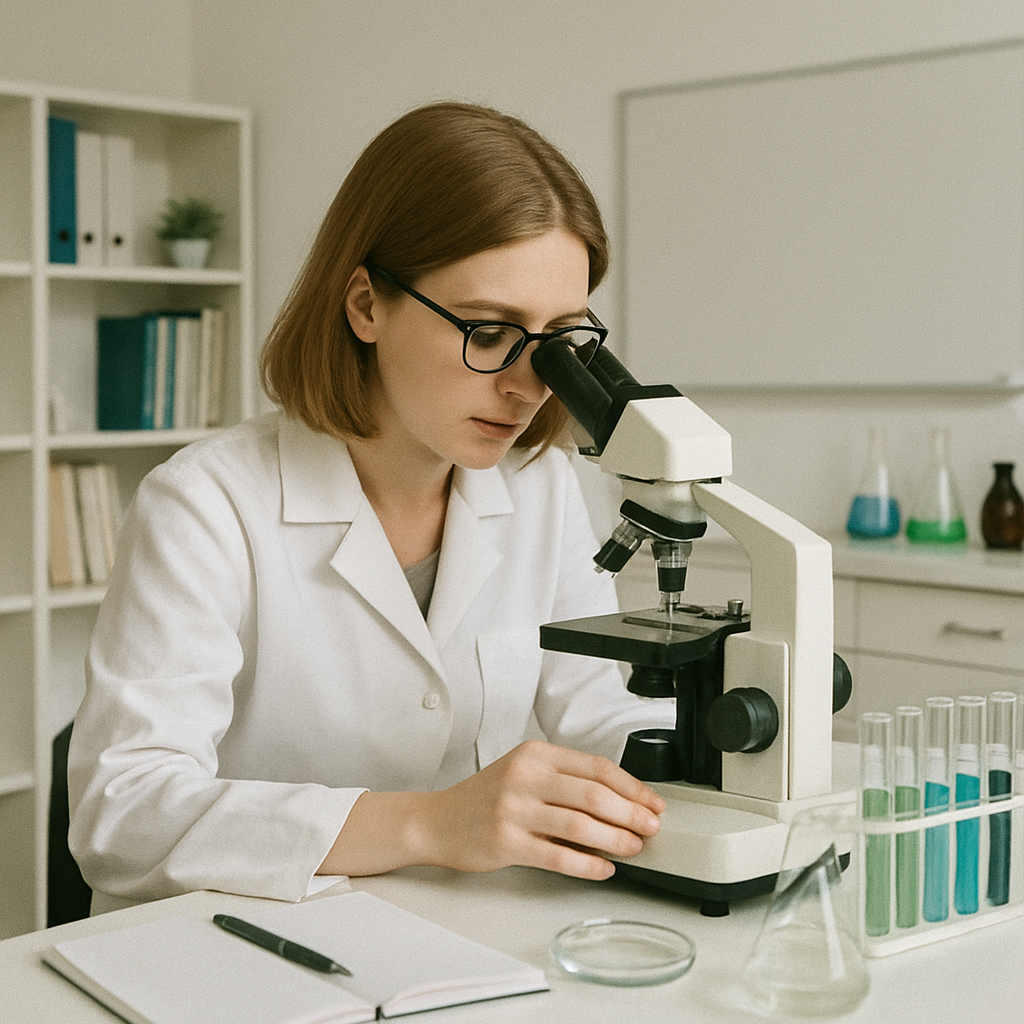
Unlike wet labs, dry labs focus on theoretical analysis, computer simulations, and data interpretation. These labs do not require the use of liquids or biological samples. Instead, they rely heavily on computers and software to model experiments and analyze data.
Dry Lab Equipment
Dry labs are equipped with high-performance computers and software that enable researchers to conduct virtual experiments and process vast amounts of data. Key tools include:
- Computational Software: Programs for data analysis, modeling, and simulations.
- Data Storage Systems: For storing and managing large datasets.
- Statistical Tools: Used to interpret experimental results and draw conclusions.
Types of Research in Dry Labs
Dry labs are ideal for fields like computational biology, bioinformatics, and theoretical physics, where experiments are often conducted in silico. These labs allow scientists to simulate complex biological processes, analyze genetic data, and predict outcomes without the need for physical samples.
Wet Lab vs Dry Lab: Key Differences
Nature of Work
The primary difference between wet and dry labs lies in the nature of the work conducted. Wet labs involve physical experiments with tangible materials, whereas dry labs focus on theoretical analysis and digital simulations.
Safety Protocols
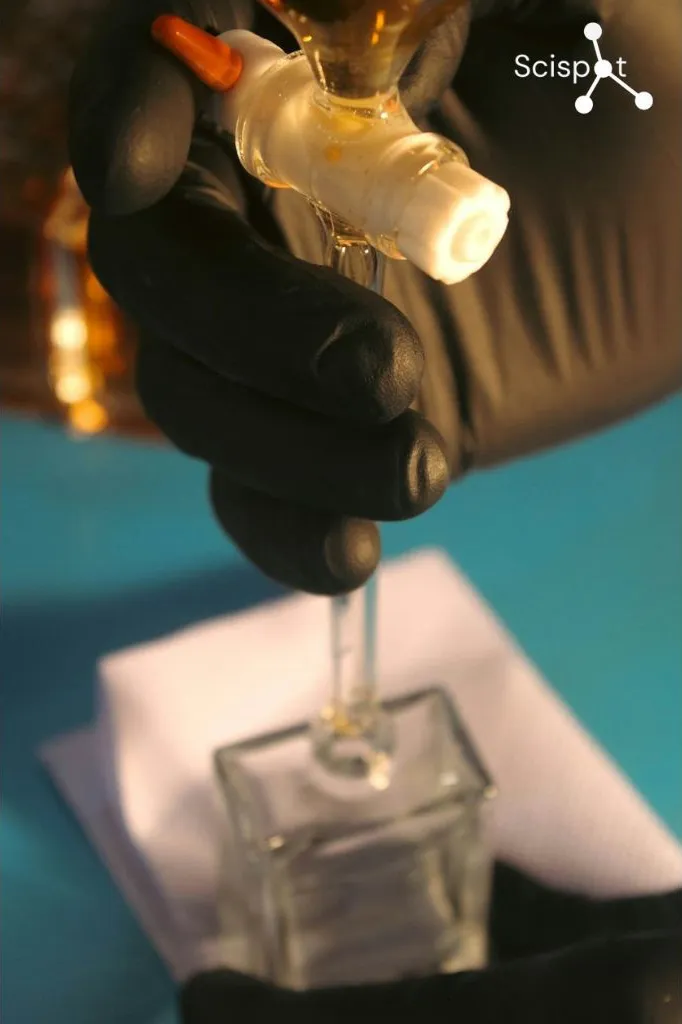
Lab safety protocols differ significantly between the two types of labs. Wet labs require stringent safety measures due to the use of hazardous chemicals and biological materials. Proper lab procedures, including wearing protective gear, are crucial to ensure safety.
In contrast, dry labs have fewer physical hazards, but they require rigorous data security measures to protect sensitive information and maintain the integrity of digital experiments.
Collaboration and Integration
Both wet and dry labs can benefit from collaboration. Integrating findings from both environments can lead to a more comprehensive understanding of scientific phenomena. For instance, experimental data from wet labs can be used to validate theoretical models developed in dry labs.
Scispot for Wet Lab–Dry Lab Collaboration
In real labs, the wet lab vs dry lab gap usually shows up in the handoff. Samples live in tubes and plates. Results live in files and folders. Context gets lost fast. That’s when “which sample was this?” becomes a daily problem.
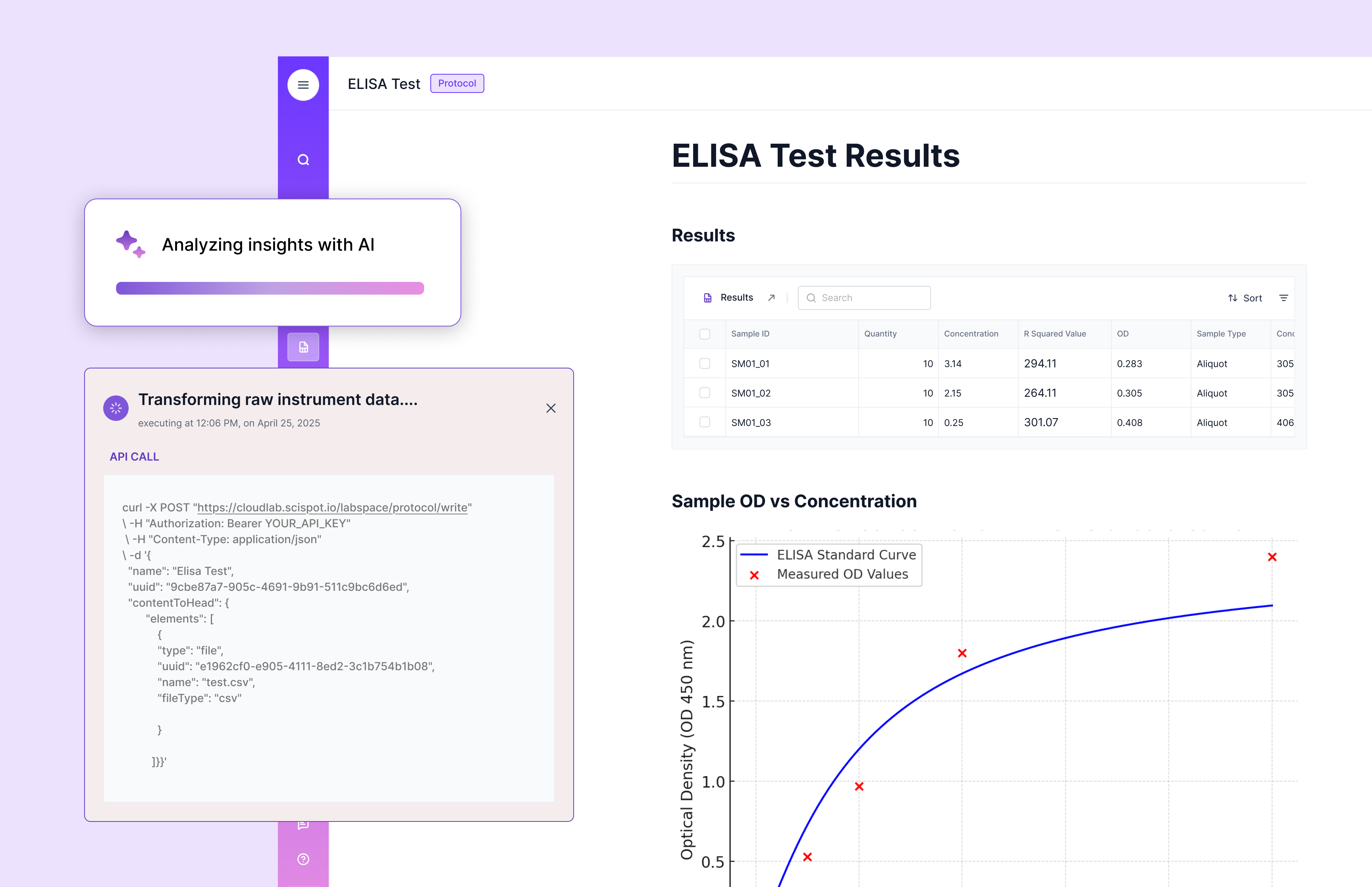
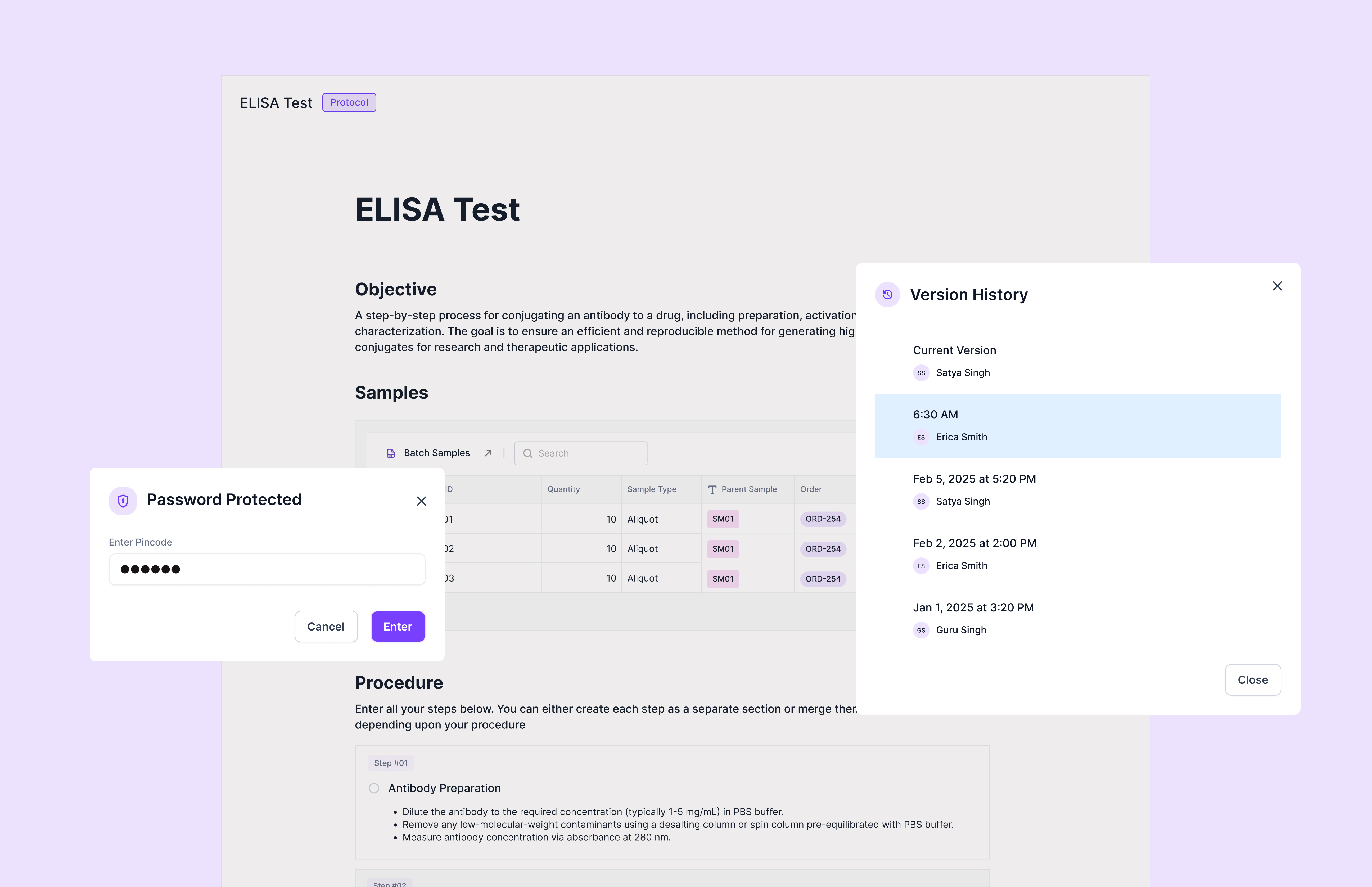
Scispot fixes that handoff by keeping wet lab work and dry lab outputs tied to the same record. Labsheets store structured sample metadata, equipment details, and QC fields. Labflows tracks chain-of-custody and stage-by-stage status. GLUE connects instruments and analysis tools, so raw files and computed outputs stay linked to the right sample.
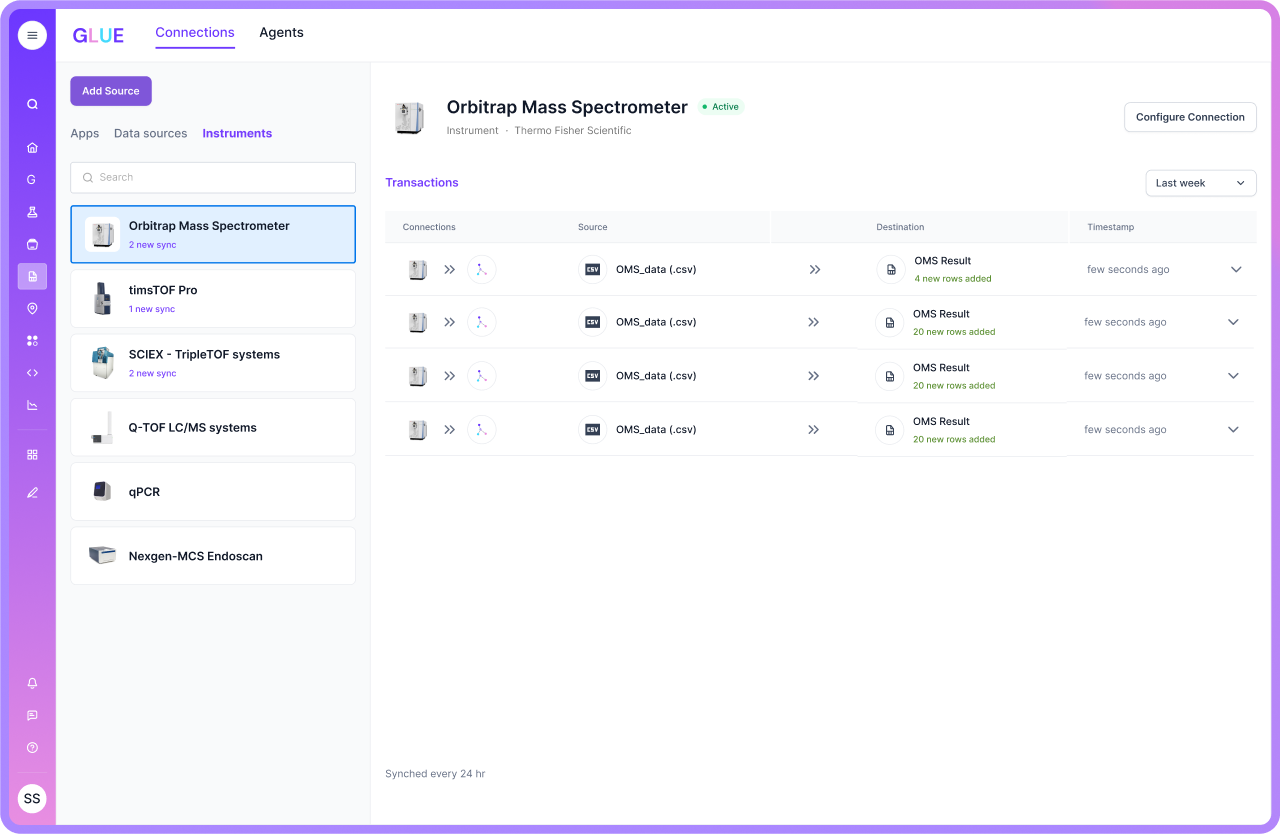
This also supports safety and quality work. You can enforce required fields, log deviations, and keep audit trails when protocols change. Dry lab teams get cleaner data. Wet lab teams get fewer re-runs from mix-ups. The main tradeoff is you need to standardize how the lab captures data, but that discipline pays back when volume grows.
Automation and Efficiency
Wet lab automation is becoming increasingly prevalent, streamlining processes and improving efficiency. Automated systems can handle repetitive tasks, allowing researchers to focus on complex problem-solving. Dry labs also benefit from automation, with software capable of performing high-speed calculations and simulations.
Real-World Applications
Wet Lab Applications
Wet labs are essential in fields like pharmacology, where biological testing is conducted to develop new drugs. In forensic science, wet labs are used for analyzing physical evidence. Additionally, biology wet labs play a crucial role in experimental biology, advancing our understanding of living organisms.
Dry Lab Applications
Dry labs are pivotal in areas such as climate modeling, where computer simulations predict environmental changes. In genetics, dry labs analyze DNA sequences to identify genetic disorders. Theoretical research in dry labs contributes to advancements in fields like quantum mechanics and astrophysics.
Lab Safety Protocols
Whether you're working in a wet or dry lab, adhering to lab safety protocols is essential. In wet labs, this includes:
- Wearing Protective Gear: Lab coats, gloves, and goggles protect against chemical exposure.
- Proper Ventilation: Use of fume hoods to prevent inhalation of toxic fumes.
- Waste Disposal: Safe disposal of hazardous materials to minimize environmental impact.
In dry labs, safety focuses on:
- Data Security: Protecting sensitive information from unauthorized access.
- Ergonomic Workstations: Ensuring comfortable and safe computer use to prevent strain injuries.
Conclusion
Wet labs and dry labs both matter. They solve different parts of the same problem. Wet labs generate real-world signals. Dry labs turn those signals into clean answers. As tools improve, teams will blend both more tightly. That mix will keep pushing discovery forward.
This is where Scispot fits best. Scispot connects wet lab work and dry lab work in one system. Samples, metadata, files, results, and QC stay tied to the same record. Labsheets capture structured data. Labflows tracks handoffs. GLUE pulls in instrument and pipeline outputs. You get fewer “wrong file” moments. You get faster reviews. You get cleaner traceability from “received” to “interpretation.”