


.webp)
TL;DR
- An accession number is a unique code used to identify and track a specific medical test, sample, or imaging study.
- It differs from an MRN, which identifies the patient rather than the test.
- Healthcare organizations use accession numbers to prevent errors and ensure accurate results.
- Patients can use accession numbers to find test results and resolve billing or reporting issues.
What is an accession number in medical records?
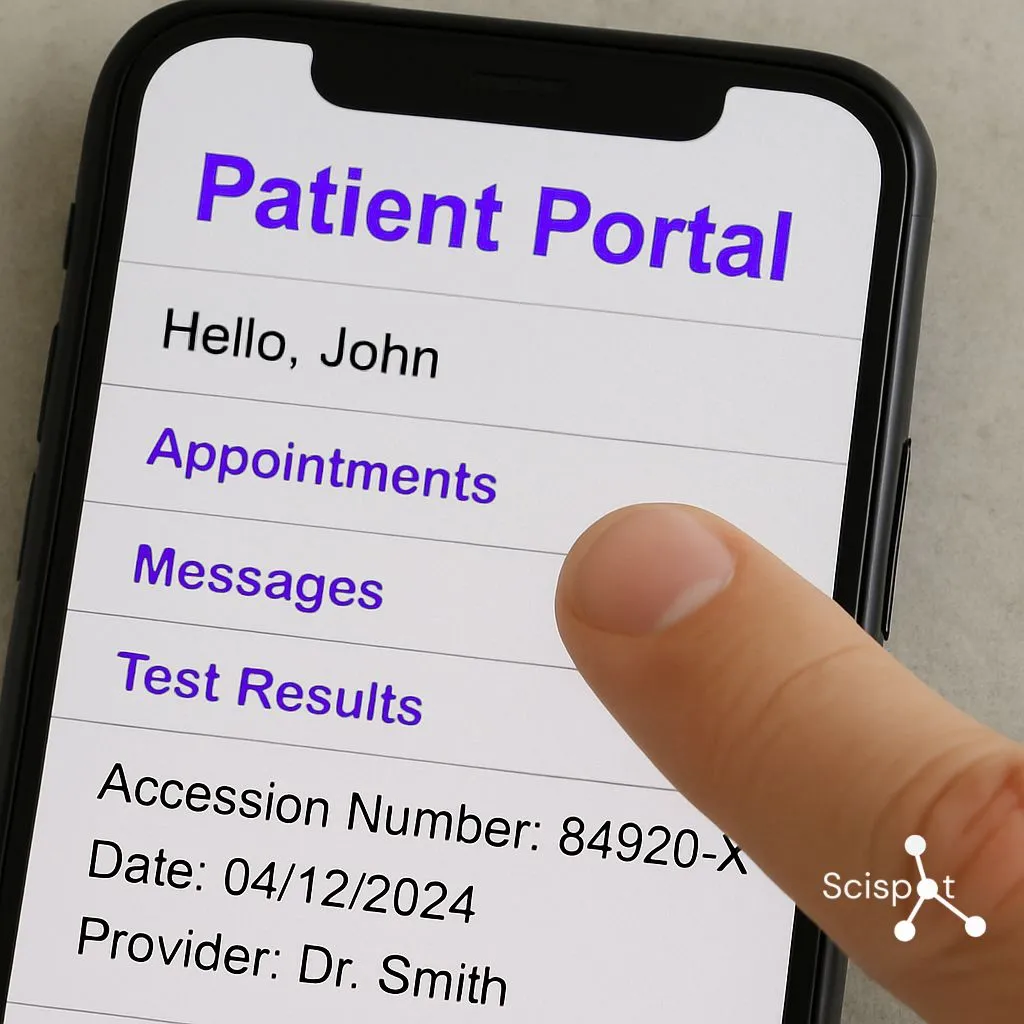
You log into your patient portal to check your blood test results and see a string of digits next to your name. It is not your patient ID or Social Security number. So what is it?
In healthcare, an accession number is a unique code tied to one specific test, sample, or medical event. Labs use it to make sure your sample does not get mixed up with someone else’s. Your medical record is your permanent file. The accession number is the tracking code for the test you took that day. It works a lot like a package tracking number for your vial of blood.
You can usually find it near the top of a lab report, often below the date of service. Once you know what it does, the code makes more sense. It helps labs match the right sample to the right patient and helps doctors review the right results.
Your medical “tracking number”: what an accession number means
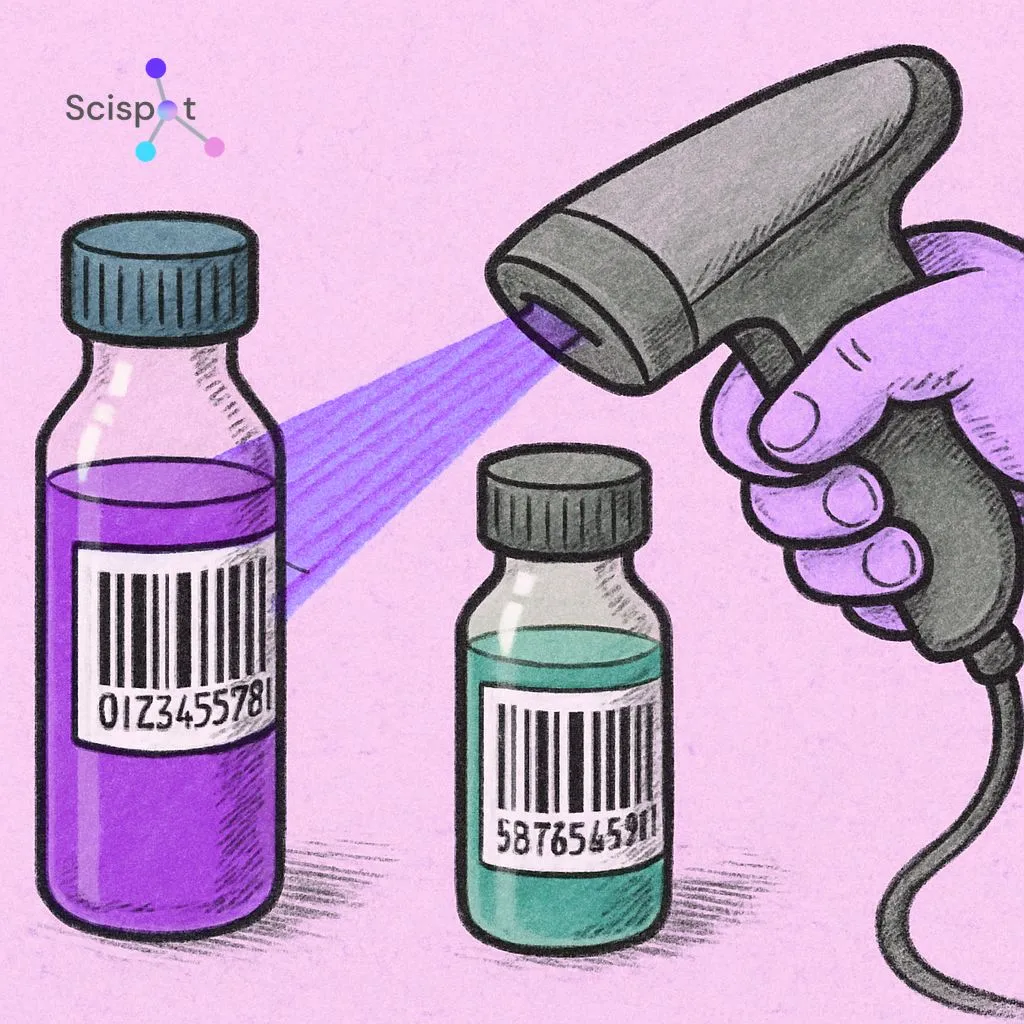
Think about dropping off a package at the post office. You are the sender, but the box gets its own tracking code so it does not get lost. A healthcare accession number works the same way. When a nurse draws your blood, that tube becomes a specimen. Before it moves through the lab, it gets its own secure barcode.
When the sample reaches the lab, it goes through a process called accessioning. That is when the lab officially receives it and assigns a one-time code. Staff then print a sticker for the vial that usually includes:
- The date and time of collection
- The type of test ordered
- The barcode or accession number
These codes track samples, not people. So even during one doctor’s visit, you may end up with more than one accession number. If your doctor orders a cholesterol test and a urine culture, each sample gets its own code. That helps the lab process each one safely and correctly.
This is also why lab paperwork often has several numbers on it. Each one has a different job, and the accession number is different from the number tied to your full patient record.
Your ID card vs. your ticket: MRN and accession numbers
If you look at your patient portal, it can feel like there are too many codes. The easiest way to understand the difference between an MRN and an accession number is to think of a library.
Your Medical Record Number, or MRN, is like your library card. It stays with you and links to your full history. The accession number is more like the barcode on one book you checked out today.
Hospitals use both for different reasons. Your MRN stays the same and connects your visits, allergies, surgeries, and other history to one file. The accession number belongs to one specific order, sample, or test. It helps make sure today’s blood draw ends up in the right chart.
Here is the difference in simple terms:
- MRN: permanent, does not change, identifies you across the hospital system
- Accession number: temporary, single-use, identifies one sample or one medical event on one day
This matters in real life too. If you call a clinic to update your address, they may ask for your MRN. If you call the lab about yesterday’s blood work, the accession number is often the faster way to find it.
How labs use accession numbers to prevent mix-ups
Picture two patients named John Smith getting blood drawn at the same clinic on the same morning. Names alone are not enough to keep things straight. That is why clinics use a strict chain of custody.
As soon as blood goes into a tube, the system creates a barcode with that sample’s accession number. The label goes right on the tube. From that point on, the sample is tracked by the code, not just the patient’s name.
When the sample reaches the testing lab, machines scan the barcode and send results to the correct chart. Because the system relies on scanning, staff do not have to keep typing names and details by hand. The physical sample and the digital record stay linked through the whole process.
That matters because automated lab machines use the code to identify the sample. They do not rely on names. This helps reduce mix-ups and makes it safer for doctors to trust the results they review.
Why radiology uses accession numbers too
An X-ray or MRI does not involve a blood tube, but the tracking idea is the same. In radiology, the accession number links a specific imaging order to the images taken during that visit.
Instead of tagging a physical sample, the code groups the images from one appointment into one record. That helps your doctor review the right scan and not confuse it with an older one.
When your doctor orders imaging, the hospital creates a code for that request. That code stays tied to the images and follows them if they are shared with another department or outside specialist.
Because accession numbers track specific events, not your full medical identity, you get a new one for each test. If you have an X-ray today and an MRI next week, those are two different events, so each gets its own number.

When to use your accession number
This number is useful when something goes wrong or when you need help finding a result. If a lab report is missing from your portal or a bill looks off, the accession number can help staff find the exact test much faster.
It is especially useful in these situations:
- Billing questions: it helps match a charge to a specific test
- Missing results: lab staff can search for the test directly
- Calls to outside labs or facilities: they may need this code to find your sample
- Patient portal searches: some systems show it on reports or discharge paperwork
In practice, it is one of the most useful numbers on your lab paperwork. It points to one exact event, which makes it easier to sort out problems.

Scispot as a smarter solution for accessioning workflows
Scispot is a digital solution for managing accession numbers in healthcare and lab workflows. It helps labs connect every sample, test order, result, and patient-linked record in one traceable system.
Instead of relying on spreadsheets, paper logs, or disconnected tools, teams can use Scispot to assign and track accession numbers with barcode support, chain of custody, audit trails, and structured data capture from intake through reporting. That matters in medical settings, where even a small mix-up can delay care or create compliance risk.
By making accessioning more organized, searchable, and reliable, Scispot helps labs reduce manual errors and manage specimen tracking with more confidence.
Taking control of your health data
Those long strings of digits on your lab report are not random. An accession number is the tracking code for one specific test or sample. It helps labs keep your records straight and helps make sure your results stay tied to you.
The next time you have lab work done, it is worth noting that number along with the test date. If you ever need to call about a delayed result or question a bill, giving the accession number can help staff find the right record much faster.
Once you know what it means, patient portals and lab reports feel a lot less confusing. It is a small code, but it does an important job.