

.webp)
What are bioanalytical solutions?
Almost everyone has had a routine blood draw to check basic health markers. But long before that standard clinical analysis happens at your local clinic, a much stricter kind of testing takes place behind the scenes. That is where bioanalytical solutions come in.
According to medical safety experts, proving a new medicine is safe means tracking exactly where it goes in the body. These highly sensitive drug testing methods do more than give a simple “yes” or “no.” Scientists use them to follow tiny amounts of a medicine as it moves through the bloodstream. That level of precision helps show that a treatment reaches the disease it is meant to treat without harming healthy cells along the way.
This work shapes every prescription we take for granted. From early lab discovery to the pharmacy shelf, these measurements help support the safety of modern medicine.
What bioanalytical solutions actually do for your health
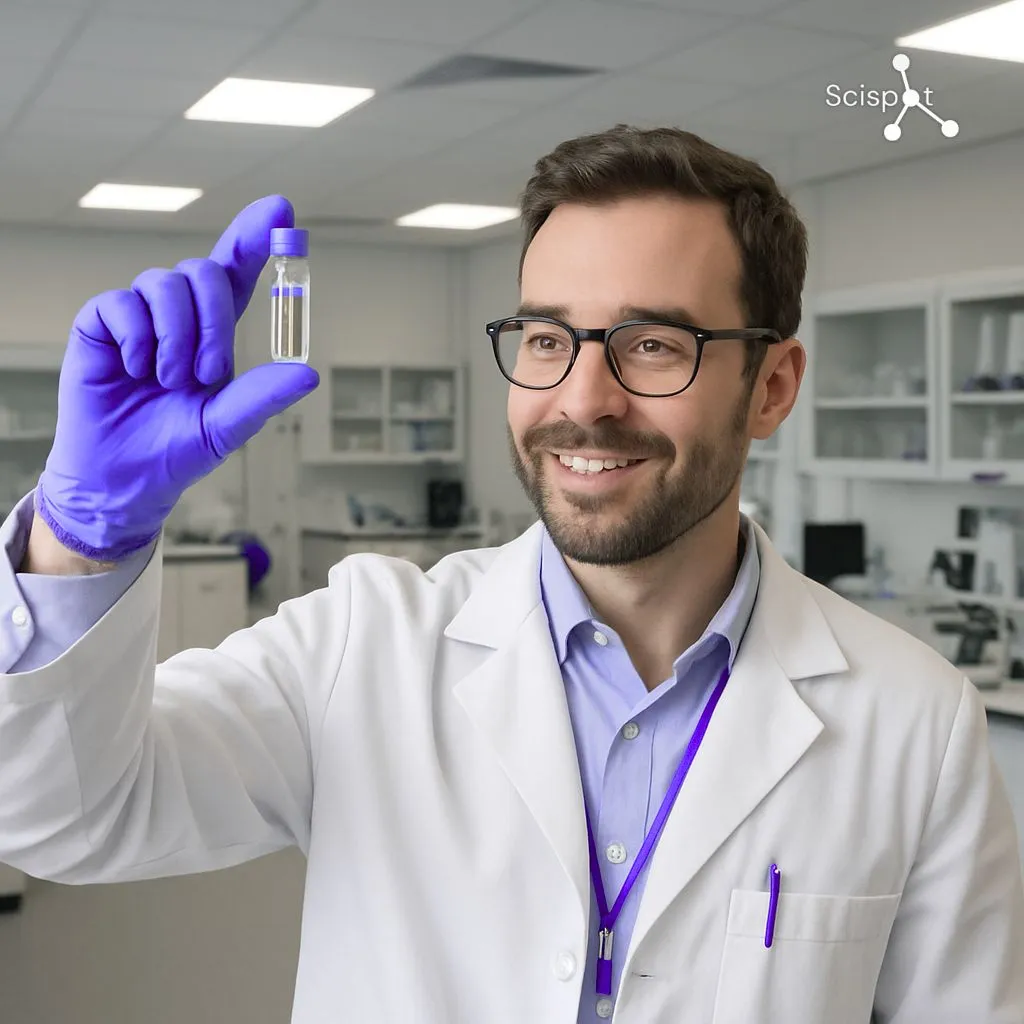
Looking for a medicine in human blood is a bit like trying to find one puzzle piece in a pot of stew. Blood is crowded. It holds thousands of natural molecules, cells, and proteins that can hide the drug scientists need to measure.
This messy chemical mix creates a major problem that experts call biological noise. In research terms, overcoming matrix interference in complex samples means filtering out that background so the actual medicine can be measured clearly. If analysts cannot separate the drug from the body’s natural fluids, the safety data does not help much.
Getting that measurement right matters. It helps prevent overdoses and weak doses that do not work as they should. When researchers develop life-saving treatments, they rely on specialized bioanalytical services to measure how a specific dose of insulin or heart medicine behaves in the body without losing it in that biological clutter.
Standard medical checks cannot deal with this level of complexity, which is why modern healthcare depends on advanced lab testing solutions. Once researchers filter out the background noise, they face the next challenge: measuring the tiny amount of medicine that is left.

Measuring the almost invisible
Finding tiny doses of medicine in the bloodstream takes a special kind of sensitivity. Think about walking along a huge beach and trying to spot one red grain of sand.
This kind of analytical sensitivity in trace element detection helps scientists catch disease earlier and track very small amounts of a new drug. That helps keep patients safe.
To find that hidden medicine, researchers often use a simple idea from analytical chemistry. They weigh it. With a technology called mass spectrometry, scientists place invisible molecules on very precise scales. Every drug has its own weight, much like a feather weighs less than a bowling ball. By measuring the weight of those particles, analysts can confirm which drug is in the body.
That approach works well for small chemicals. When researchers study larger medicines, they need a different method. The choice between LC-MS/MS and ligand binding assays depends on the size of the drug. For large biological drugs that are too complex to weigh this way, scientists use another tool.
How large molecule drugs are studied
Many medicines in your bathroom cabinet are simple chemicals. But modern healthcare also depends on biotherapeutics, which are complex drugs made from living cells to treat diseases like cancer. The gap is a bit like the gap between a bicycle and a fighter jet.
Small molecules, like aspirin, have simple and predictable structures. They are small enough to weigh with standard bioanalytical methods. Large molecules, like insulin, are much bigger and more complex, so they need different tools for large molecule biotherapeutic characterization.
Because these drugs are too bulky for standard molecular weighing, scientists use ligand binding assays. This works like a lock-and-key test. Instead of weighing the drug, researchers build a molecular lock that fits only the right drug key. When the match happens, it creates a signal that lets scientists detect and measure the drug in a blood sample.
Tracking the drug is only part of the job. Researchers also need to watch the immune system. If the body mistakes these drugs for a threat, it may attack them, which is why immunogenicity testing matters for biologics. These checks help keep patients safe, but before any of this reaches a human trial, the test itself has to prove it works.
How validation proves a test works
Before a single blood sample is tested, scientists have to test the test. No one would trust a bathroom scale that gives a new number every time, and regulators expect the same kind of consistency in lab work. That is where GLP and GCP regulatory compliance standards come in. They help make sure every lab measurement is honest, repeatable, and fit for work that affects human health.
To earn that level of trust, scientists run through specific phases of bioanalytical method validation. A validated test has to prove four things:
Accuracy: Does the test hit the right value?
Precision: Can it hit that value again and again?
Range: Can it detect both large and very small amounts?
Stability: Can samples survive freezing and thawing without breaking down?
Once validated, these methods help track medicines and support biomarker discovery and clinical qualification. Biomarkers work a bit like a check-engine light in a car. They are biological signals that show whether a treatment is doing what it should. All of this depends on secure, well-run lab environments that protect patient samples and data.
How to spot a reliable partner for drug safety work
Picture a large blood drive where every vial has to be tracked from the patient’s arm to the testing machine. That is why streamlining sample management in multi-center trials matters so much. When thousands of tubes arrive from hospitals around the world, there is no room for mix-ups or lost labels.
Tracking samples is only one part of the job. Biology is fragile. If a freezer fails during a power outage, years of work can disappear. That is why top labs use bioanalytical assay development storage disaster recovery solutions. These systems rely on backup power and duplicate storage so valuable samples survive an emergency.
Drug developers often hire Contract Research Organizations, or CROs, to handle this work. Knowing how to choose a reliable CRO partner means checking three things: their tracking systems, their backup plans, and how clearly they communicate. The right team helps protect samples and supports safer, faster drug development.
Why Scispot fits modern bioanalytical operations
Scispot works well for modern bioanalytical teams because it brings the full testing journey into one connected system. Instead of juggling spreadsheets, instrument files, sample logs, and scattered reports, labs can use Scispot to manage sample intake, chain of custody, assay workflows, data capture, QC checks, and reporting in one place.
It helps teams move fast without losing control. The shift is a lot like moving from a pile of paper trails to one clear digital system. With built-in traceability, automation, instrument integrations, and audit-ready data management, Scispot gives CROs and drug developers a more reliable way to scale bioanalysis while keeping every result easy to track, review, and trust.
Why better analysis leads to faster cures
The next time you take medicine, it is worth remembering how much testing sits behind it. Behind every pharmacy counter are scientists using advanced analytical solutions to track how a drug behaves in the human body.
That work is moving faster now. With high throughput screening for drug discovery, researchers can test thousands of possible treatments at once. This cuts the time it takes to move promising drugs through early testing and toward patients.
Personalized medicine is also becoming more real. Treatments are starting to match the biology of the individual patient more closely. The careful lab work happening today helps build those future therapies. Even a routine test at your doctor’s office connects back to that larger effort.