

.webp)
What are startup software companies?
When you tap “confirm” in an app like Uber, a thousand things happen in less than a second. What feels simple is actually a well-coordinated process. Your phone sends a request to a central system, that system alerts a driver, and a mapping tool works out the fastest route at the same time. Most people see apps as finished products sitting on a screen. In reality, startup software development is about designing these fast digital interactions, not just writing code.
Creating an app is less like publishing a book and more like building a house while people already live in it. That is why tech startups keep shipping updates to fix problems or add new features. The best software startups understand that the business logic matters most. In this case, that means getting you a ride quickly and safely. The exact code matters, but the outcome matters more. Once you look past the screen, it becomes easier to see how an idea turns into a tool people use every day.

Start with a skateboard. Why the MVP process saves your budget
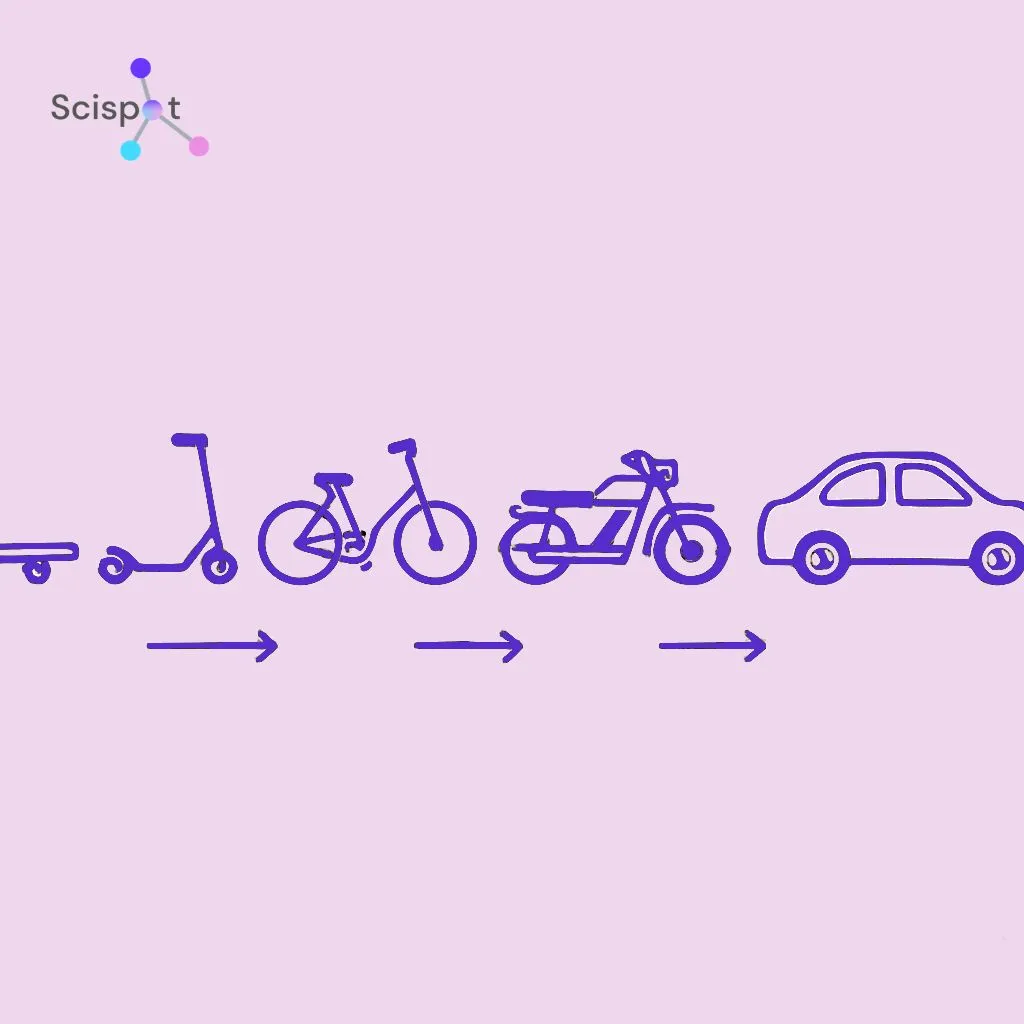
Say you want to help people get around faster. Instead of spending years building a car, only to learn people needed a boat, you start with a skateboard. That is a Minimum Viable Product, or MVP. It is the simplest version of your idea that still solves the main problem. For startup apps, this helps you get something useful into people’s hands fast, without burning money on features nobody asked for.
Reaching product-market fit, the point where people clearly want what you built, means holding back on extra features. To get there, strong MVP teams usually follow three steps:
- Identify the core problem.
- Build the simplest solution.
- Gather user feedback.
When you validate the idea early, you avoid wasting months and a lot of money on the wrong product. Once you know the skateboard works, you can think about how to turn it into something bigger.
The architect, the builder, and the foreman. Choosing your software team
When it is time to build your product, hiring software engineers for a new business means knowing you need more than coders. You need people with different jobs. The developer writes the code. The project manager keeps the work on track. Quality assurance tests the product before release and catches issues early. You also need someone to shape the bigger technical plan. That is where a fractional CTO can help. It gives startups senior technical direction without the cost of a full-time executive.
Finding those people is the next challenge. When founders compare outsourced product development with in-house hiring, the trade-offs usually come down to three things:
- Budget: Outsourcing often costs less upfront than full-time salaries and benefits.
- Speed: Agencies already have a team in place, while hiring one person at a time can take months.
- Control: In-house teams give you closer day-to-day oversight. Outsourcing means trusting another team’s process.
Once the team is in place, they still need to decide what tools and systems to use to build the product.
Storefronts and brains. What a tech stack really means
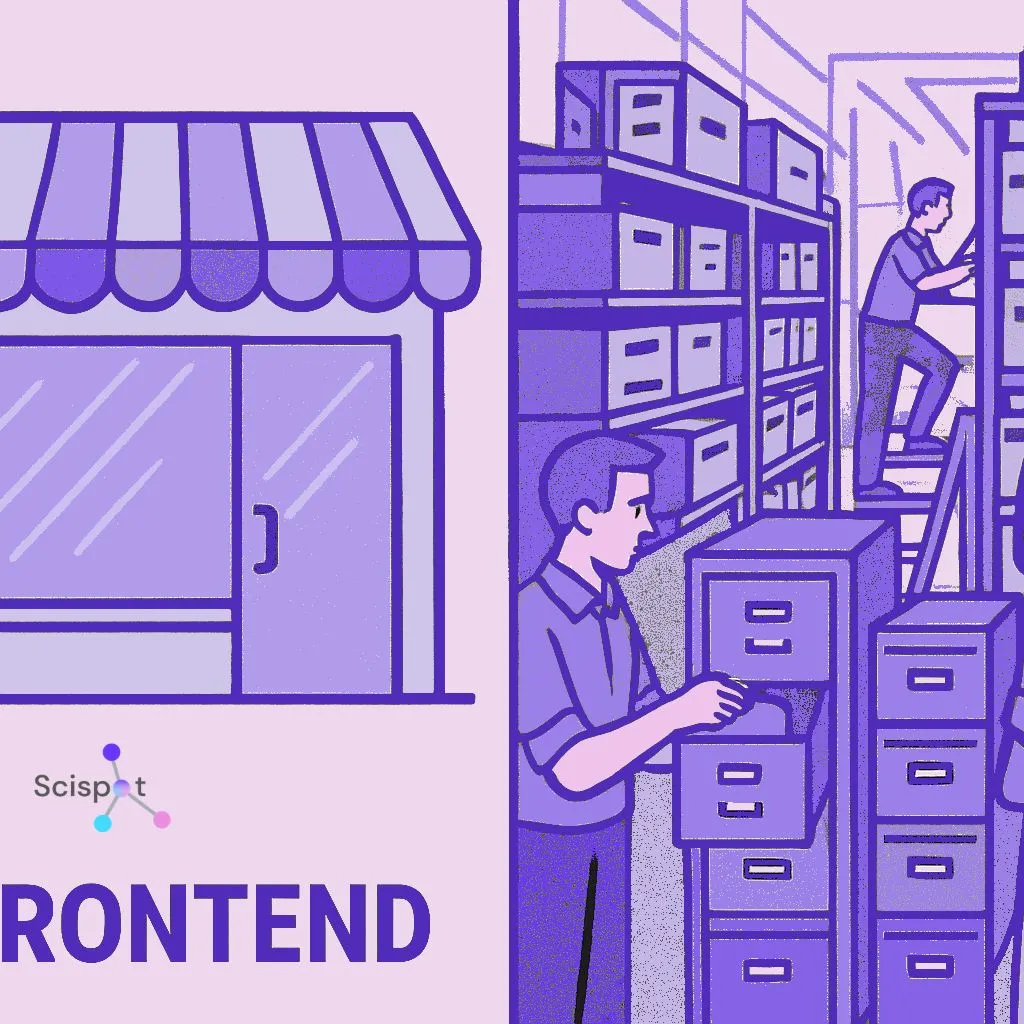
Using an app is a bit like walking into a store. The frontend is the part you see and touch. It is the buttons, menus, and screens. The backend sits behind that. It stores data, handles logic, and responds to requests. When developers talk about choosing a tech stack for a high-growth web app, they are talking about picking the languages, frameworks, and tools used to build both sides.
Most startups also avoid building all of their infrastructure from scratch. Instead, they rent computing power through the cloud. That makes cloud costs for a new SaaS product much easier to manage, because you usually pay for what you use. Once you understand the tools and infrastructure, the next step is making sure engineers know exactly what to build.
The hidden map. Writing requirements engineers can use
If you ask a construction team to build a house from a rough sketch on a napkin, things will go wrong fast. Software works the same way. That is why startups write a software requirements document. It acts like a blueprint. It turns a business idea into clear instructions.
A good requirements document usually includes four things:
- User stories: Simple descriptions of what the customer wants to do.
- Functional specs: The rules the system needs to follow.
- Design assets: Mockups or visual layouts.
- Success metrics: How you will know the feature worked.
Clear requirements reduce guesswork and make cost estimates more accurate. Before a team writes production code, many founders also build a prototype. Prototyping tools help them test ideas with real users before they spend more money on development. Once the idea checks out, the team builds the real product. Even then, launch is only the start.
Why software is never finished. The agile loop
Building software is not like printing a book and calling it done. It is closer to maintaining a living system. That is the logic behind agile development. Teams build in short cycles, release updates, listen to feedback, and improve the product as they go.
That is why your favorite apps update so often. Teams are adjusting to what users actually need instead of sticking to an old plan. Moving fast sometimes means taking shortcuts. Developers call that technical debt. It means writing a quicker solution now so the product can launch, while knowing the code may need cleanup later.
This is normal in early-stage products. It helps teams balance speed and quality. But if technical debt piles up for too long, it can slow the product down and make bugs harder to fix. Cleaning it up is part of building for the long term.
Future-proofing the foundation. Architecture that can scale
Think of your app like a small restaurant. If ten people show up, one kitchen may be enough. If a thousand people show up at once, that same kitchen breaks down. Software architecture works the same way. A product built for growth needs a backend that can handle more demand without falling over.
That growth also depends on how software gets shipped. DevOps helps teams test and release updates in a more automated, reliable way. It reduces manual work and helps teams push changes faster and more safely. When you combine scalable architecture with a solid delivery process, you set the product up to grow without constant fire drills.
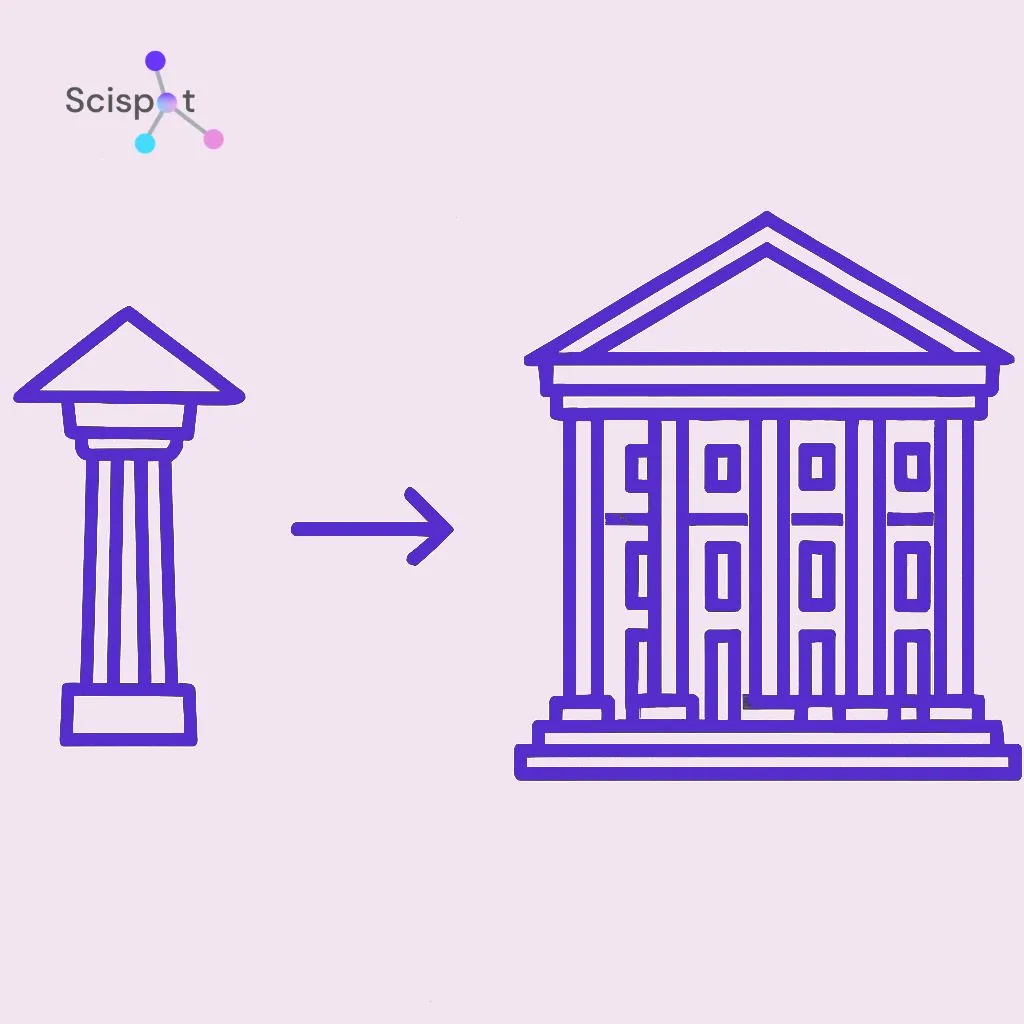
Why Scispot is a preferred digital solution for startup software companies
For startup software companies, Scispot is a preferred digital solution because it helps fast-moving teams bring order to complex work without slowing them down. Startups often deal with scattered data, manual handoffs, unclear workflows, and tools that stop working well as the company grows. Scispot gives them one system to organize workflows, standardize data, automate routine steps, and keep teams aligned as products and operations change.
Instead of patching together spreadsheets, disconnected apps, and one-off fixes, teams can use Scispot to build a cleaner operating backbone early. That helps them move faster, make better decisions, and scale with less chaos.
Your first 90 days. A practical roadmap for launching your startup app
Tech does not have to feel like a black box. Once you understand the basics, it gets much easier to speak with engineers or work with a startup software development company. If you are getting ready to build, this simple 90-day plan is a good place to start:
Month 1: Define and prototype
Sketch the main screens and map the core user journey before writing code.
Month 2: Build the MVP
Create the simplest version of the product that solves the main problem.
Month 3: Test and launch
Put it in front of users and focus on real feedback, not technical perfection.
As you watch strong software startups grow, remember that good products are rarely perfect on the first try. They improve through testing, listening, and steady changes. The plan is there. Now it is time to build.