.webp)
Startup Biotech: Unlocking Innovation and Funding
The biotech industry is a rapidly evolving field, full of potential and innovation. If you're considering diving into the world of biotech startups, you're in for an exciting journey. This guide will explore the landscape of biotech entrepreneurship, the challenges and opportunities it presents, and how you can successfully start a biotech company.
.webp)
Biotech startups have been gaining traction due to groundbreaking advancements in science and technology. These companies are at the forefront of developing new therapies, medical devices, and technological solutions that can revolutionize healthcare and improve lives.
Why Are Biotech Startups Important?
Biotech startups play a crucial role in transforming scientific research into practical applications. They bridge the gap between laboratory discoveries and real-world solutions, addressing unmet medical needs and pushing the boundaries of what's possible in healthcare.
Getting Started in Biotech Entrepreneurship
Launching a biotech startup requires more than just a passion for science. It involves understanding the unique challenges of the industry and crafting a solid business strategy.
Crafting a Biotech Business Model
A successful biotech business model should focus on innovation, market needs, and sustainable growth. Entrepreneurs must identify a niche within the industry, such as biotechnology in agriculture, pharmaceuticals, or diagnostics, and develop a clear value proposition.
Securing Biotech Funding
Funding is a significant hurdle for biotech startups. Due to the high costs associated with research and development, securing funding is essential. Biotech venture capital is a popular avenue, but startups can also explore government grants, angel investors, and crowdfunding.
Navigating the Biotech Funding Landscape
.webp)
The biotech funding landscape is competitive, but understanding the various options can help secure the necessary resources for growth.
Venture Capital and Angel Investors
Venture capital firms and angel investors are often interested in biotech startups with promising technology and a strong team. Preparing a compelling pitch and demonstrating the potential impact of your innovation are key to attracting these investors.
Government Grants and Public Funding
Governments worldwide offer grants to support biotech research and development. These grants can be a valuable source of non-dilutive funding that doesn't require giving up equity.
Crowdfunding and Alternative Funding Sources
Crowdfunding platforms have become increasingly popular for biotech startups, allowing them to raise funds from a large pool of small investors. Additionally, partnerships with established companies can provide both financial support and industry expertise.
Building a Strong Biotech Startup Team
The success of a biotech startup heavily relies on the skills and dedication of its team.
Hiring for Biotech Startup Jobs
Finding the right talent is crucial. Biotech startups need a mix of scientific expertise, business acumen, and technical skills. Hiring professionals with experience in the biotech industry can provide valuable insights and drive innovation.
Offering Biotech Startup Internships
Internship programs can be a great way to attract young talent and provide them with hands-on experience in the biotech field. These programs can also help identify potential full-time employees.
Biotech Industry Trends to Watch

Staying informed about industry trends is vital for biotech startups to remain competitive and innovative.
Personalized Medicine and Genomics
Advancements in genomics and personalized medicine are transforming how diseases are treated. Startups focusing on these areas are likely to see significant growth and interest from investors.
Artificial Intelligence in Biotech
AI is becoming an integral part of biotech research, helping to analyze complex data and accelerate drug discovery. Startups incorporating AI into their business models can gain a competitive edge.
Sustainability and Green Biotech
With increasing awareness of environmental issues, green biotech solutions are gaining traction. Biotech startups focusing on sustainable agriculture, biodegradable materials, and eco-friendly technologies are well-positioned for future success.
Overcoming Challenges in Biotech Startups
Starting a biotech company is not without its challenges. However, understanding these obstacles and planning for them can increase your chances of success.
Regulatory Hurdles
Biotech startups must navigate a complex web of regulations to bring their products to market. Understanding regulatory requirements and working with experienced consultants can help overcome these hurdles.
High Research and Development Costs
R&D in biotech is expensive and time-consuming. Efficient project management, strategic partnerships, and securing funding are critical to managing these costs.
How Scispot Helps Biotech Startups Move Faster
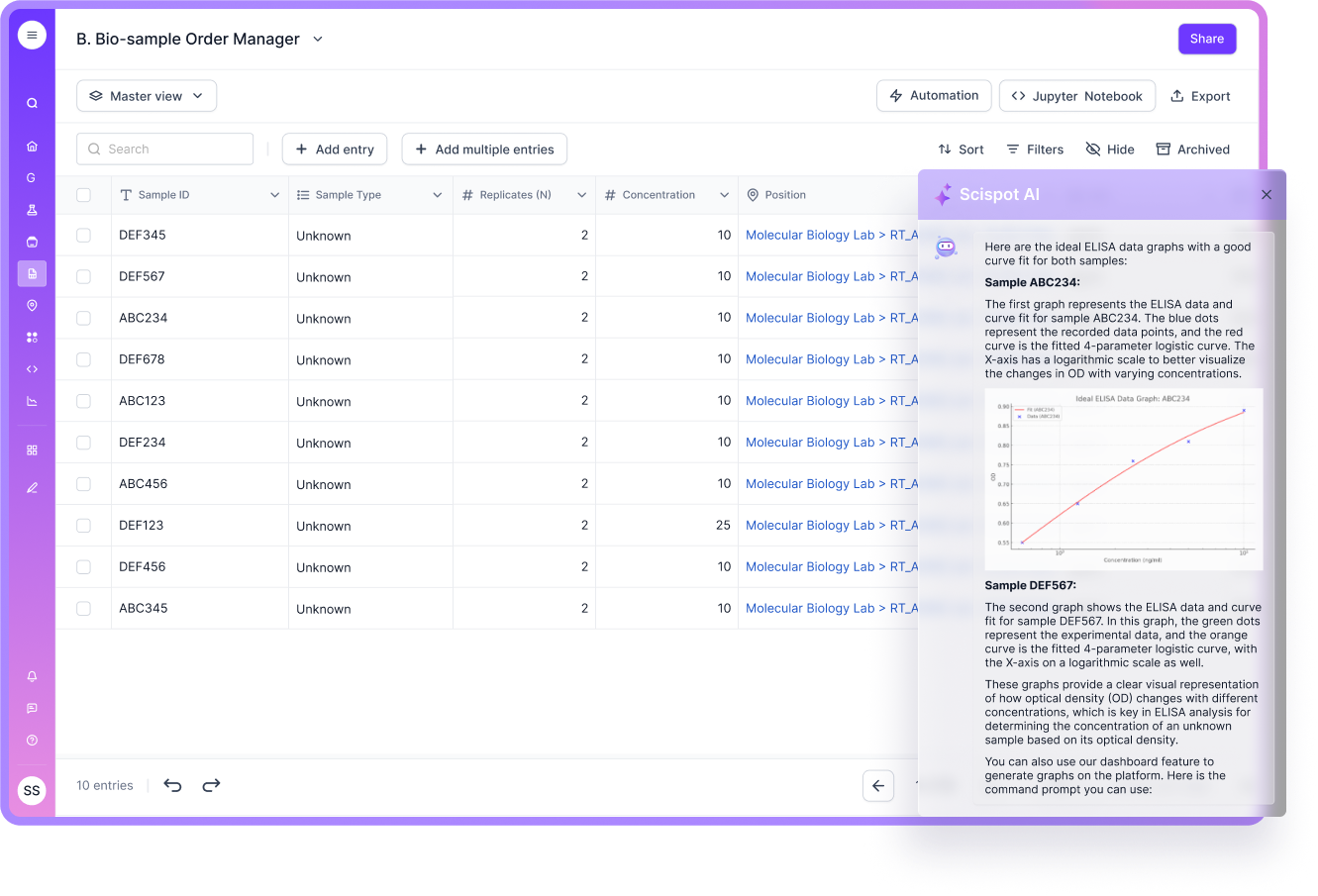
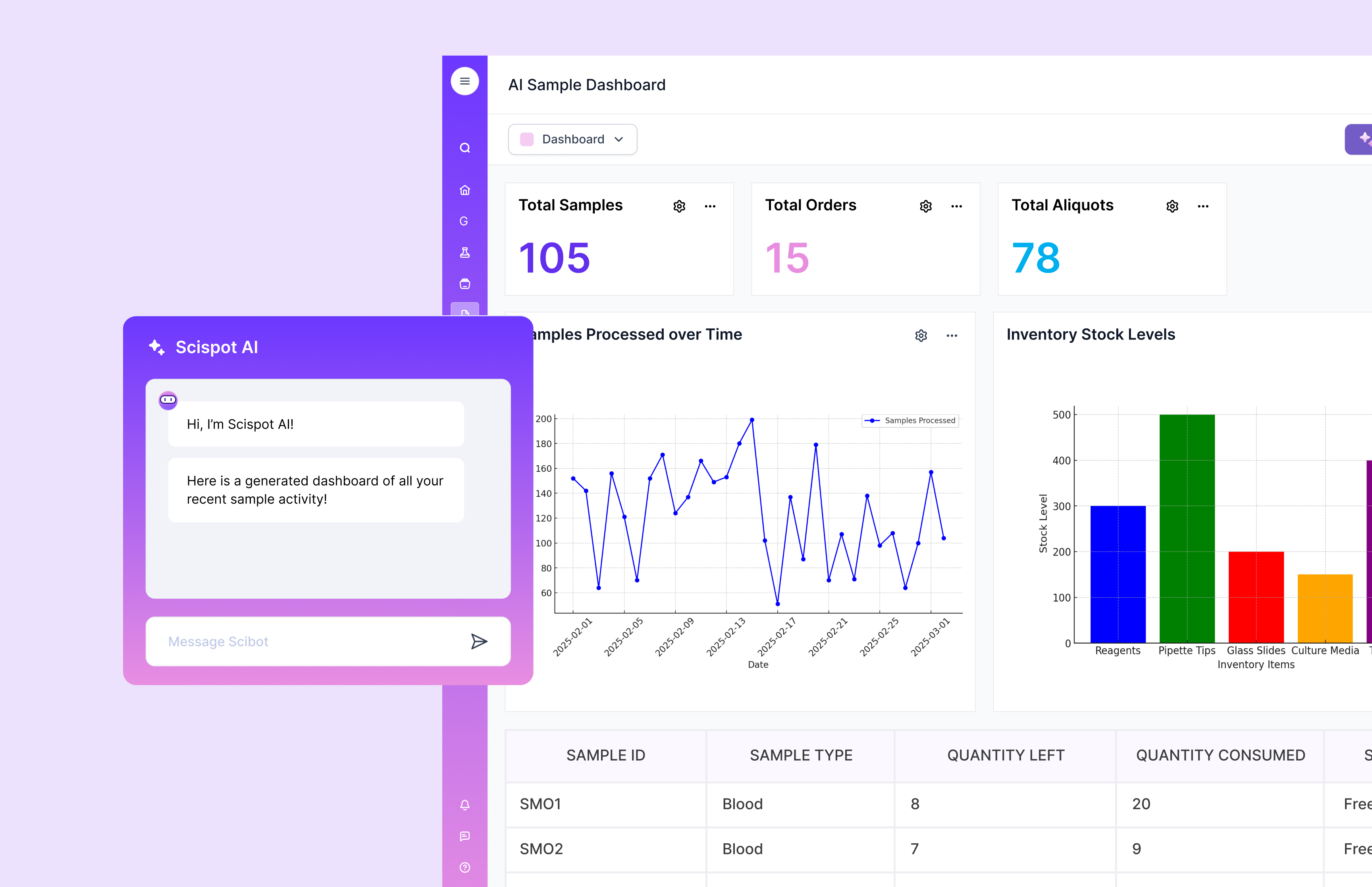
If you’re building a start up biotech, one of the fastest ways to lose time (and investor trust) is scattered data. You end up with experiments in docs, samples in sheets, and results in folders. Scispot fixes that early. It gives you a single system for ELN + LIMS + SDMS-style data capture, so your team can track samples, protocols, results, and decisions in one place. That makes execution calmer. It also makes scale less painful. You add new projects and new people without rebuilding your process every month.

This matters even more when you’re chasing biotech funding. Diligence turns into a “show me” exercise. Show me where this result came from. Show me who approved it. Show me the full history. Scispot is strong here because it bakes in audit trails, permissions, e-sign style reviews, and clean reporting outputs. So your pitch is not only slides. It is traceable work. The trade-off is simple. You need a bit of upfront structure. You define templates and workflows. That effort pays back when experiments repeat and timelines tighten.
It also lines up with the trends you already cover, like Artificial Intelligence in Biotech. Scispot helps by standardizing how data is captured and linked, and by supporting integrations through GLUE. That means instrument files, external tools, and pipelines can flow into a consistent model. Then dashboards and analyses are easier to build. Think of it like laying train tracks before you buy faster trains. You can move faster later because the path is already solid.
Market Competition
The biotech industry is highly competitive. To stand out, startups must focus on unique innovations, protect their intellectual property, and build strong relationships within the industry.
The Future of Biotech Startups
The future of biotech startups is promising, with endless possibilities for innovation and growth. Entrepreneurs who can adapt to changing trends, secure funding, and build strong teams will be at the forefront of this exciting industry.
Conclusion
Embarking on a biotech startup journey is both challenging and rewarding. Clarity wins. Strong science, smart funding, and a tight team help you move fast without cutting corners.
The right operating system matters too. Teams often lose time to scattered files, messy sample tracking, and results that can’t be traced back cleanly. This is where Scispot stands out as the best tool of all. It helps you run R&D in one connected system for samples, workflows, and data, while making collaboration simpler and keeping you ready for audits and scale. It still needs setup and team buy-in, but it’s like laying rails before the train speeds up.