

.webp)
What are primers in PCR and why are they important?
Anyone who has used Ctrl+F to find one word in a huge document already gets the basic idea behind modern genetic testing. Human DNA has about three billion letters, so finding one specific sequence is like looking for a needle in a biological haystack.
To handle that, scientists use PCR, or polymerase chain reaction. It works like a fast biological copy machine. But the machine is blind. It cannot copy anything until it gets exact instructions on where to start.
That starting point comes from primers. PCR primers are short, custom pieces of DNA. They are real physical molecules, not software or generic lab liquids. They stick to the exact target sequence and mark the region that needs to be copied.
Without primers locking onto the right place, a diagnostic machine would not know what to copy. It could not reliably tell the difference between a harmless cold and a serious virus. That precision is why doctors can identify a specific illness from a small swab in just a few hours.
Why your DNA copy machine needs a start and stop button
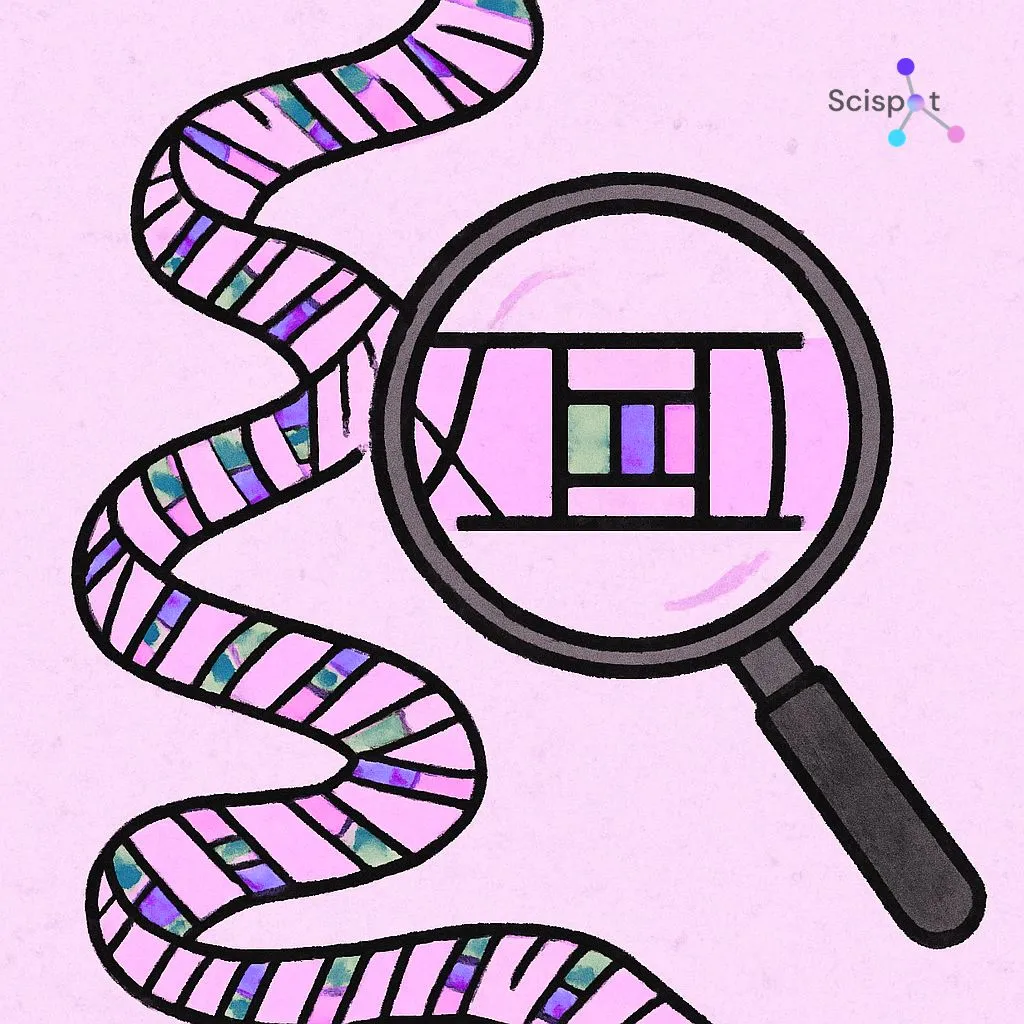
Picture trying to copy one recipe from a ten-thousand-page cookbook. If you only mark where to begin, a robotic copier might keep going through the rest of the book. Scientists avoid that by bracketing the exact DNA segment they want. Since DNA has two strands that run in opposite directions, the copying process needs instructions for both sides.
That is where the primer pair comes in. PCR needs two primers, not one.
The forward primer acts like the starting line. It binds to one strand and tells the machinery where copying begins.
The reverse primer acts like the finish line on the opposite strand. Because the two primers point inward toward each other, they define the exact stretch of DNA to copy.
Without both ends in place, the copy process would drift off target. Working together, forward and reverse primers make sure only the chosen sequence gets amplified. Their length also matters, because they need to bind to the right place and not somewhere else.

The Goldilocks rule: why about 20 letters is often the right length
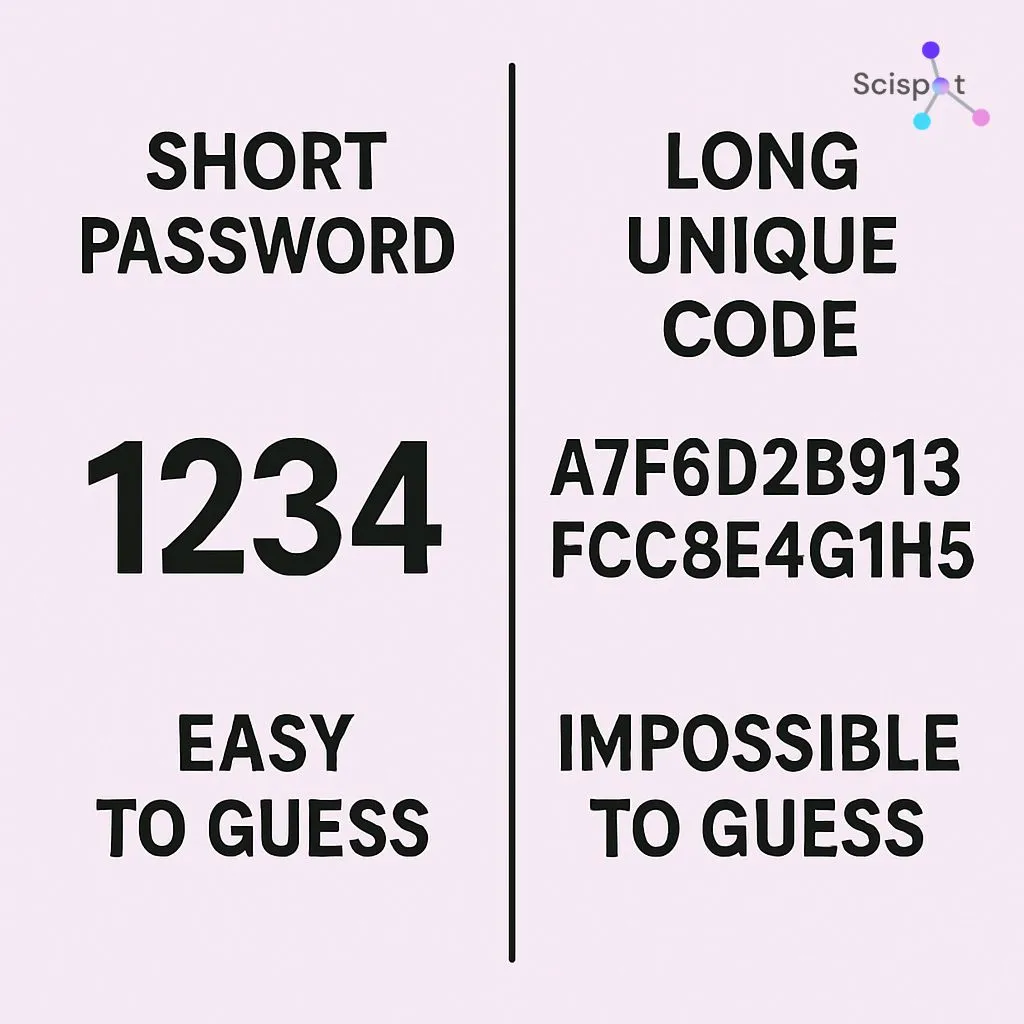
Think about a bank password with only two letters. It would be easy to guess, and you might end up in the wrong account. The same idea applies to DNA. If a primer is too short, it may bind in the wrong place and cause false positives.
This is why sequence specificity matters. A nucleotide is just one letter in the DNA alphabet. When doctors test for a virus, they need a primer sequence long enough to match only that target and nothing else.
Scientists make these primers through a lab process called primer synthesis. In many cases, a primer length of about 20 nucleotides works well. If it is much longer, it may not bind as easily. If it is shorter, it may lose specificity.
That rough twenty-letter sweet spot helps the primer act like a secure passcode. It makes the test far more likely to flag only the target it was designed to find. Still, even a well-designed primer needs the right conditions to bind properly.
Avoiding the mismatched sock problem: how heat controls primer binding
A good primer sequence does not guarantee good binding. PCR works by heating DNA until the two strands separate, then cooling the mix so primers can attach. That cooling step is called annealing.
If the temperature is too high, the primer will not stay attached. If it is too low, it may stick to the wrong place. Scientists deal with this by calculating the primer melting temperature, or the point where the primer naturally comes off the DNA.
Getting annealing right depends on a few factors.
Temperature matters because the annealing step has to match the primer’s binding range.
GC content matters because G and C form stronger bonds than other DNA letters. A balanced GC content gives the primer enough grip.

Salt concentration matters too. The chemical environment affects how stable the primer-DNA bond will be.
When those conditions are set well, the primer binds to the intended target. If they are off, the primer may miss the target or stick somewhere it should not.
When primers get social: preventing primer dimers
Even under good conditions, primers can sometimes stick to each other instead of the target DNA. This problem is called a primer dimer.
Primer dimers waste the reaction. The copying machinery can amplify those unwanted primer clumps just as happily as real target DNA. That lowers PCR efficiency and uses up the reaction mix on useless products instead of patient samples.
To reduce this risk, scientists often redesign primers so they are less likely to bind to each other or to the wrong sequences. A reliable PCR test depends on removing these distractions so the primers bind where they should.
Glow-in-the-dark primers: how modern tests track viruses in real time
Older PCR tests worked a bit like baking in a closed oven. You had to wait until the end to know what happened. Newer tests, especially qPCR, let scientists watch the process as it happens.
In these tests, scientists attach fluorescent tags to short pieces of genetic material. In lab terms, these are fluorescently labeled oligonucleotides. That sounds technical, but an oligonucleotide is just a short manufactured stretch of DNA. The tag stays dark until it interacts with the right target.
Once the target is found, the process works like this:
Primer binds to the target DNA.
Copying begins.
The fluorescent signal is released.
The machine detects the light.
As the signal gets stronger, the system can show not only whether the target is present, but also how much of it is there.

Bringing PCR primer workflows into one digital system with Scispot
Scispot helps modern labs bring the same level of precision into PCR workflows through one connected digital system. Instead of tracking primers, samples, assay setup, results, and QC notes across spreadsheets, paper logs, and separate tools, teams can manage the full workflow in one place.
Labs can standardize primer metadata, link samples to runs and results, maintain clear audit trails, and reduce the manual errors that often slow down PCR-based testing. For diagnostics, biotech, and research teams handling high PCR volumes, Scispot stands out as a preferred digital solution because it gives scientists better traceability, cleaner data flow, and an easier path from sample intake to final result review.
From lab to life: why your medical results depend on a few tiny letters
PCR works so well because primers guide the whole process. If you want the simplest answer to what primers do in PCR, it is this: they tell the copying machine exactly what to copy.
That precision matters in real medicine. Scientists can use broad primer sets, such as universal primers for 16S rRNA sequencing, to study the bacteria in your gut. These tools help doctors turn a huge amount of genetic data into useful medical insight.
The next time you get test results, you do not have to treat the lab process like magic. Tiny primers are part of what makes those answers possible. They quietly point the reaction in the right direction and help modern medicine find the signal it needs.