

.webp)
What is the point-of-care molecular diagnostics market?
Imagine sitting in a clinic with a bad sore throat and wanting relief fast. In the past, a doctor might swab your throat, send the sample to a large lab across town, and leave you waiting days for the right prescription. Industry data shows those delays often lead to worse symptoms, unnecessary antibiotic use, and a lot of avoidable stress.
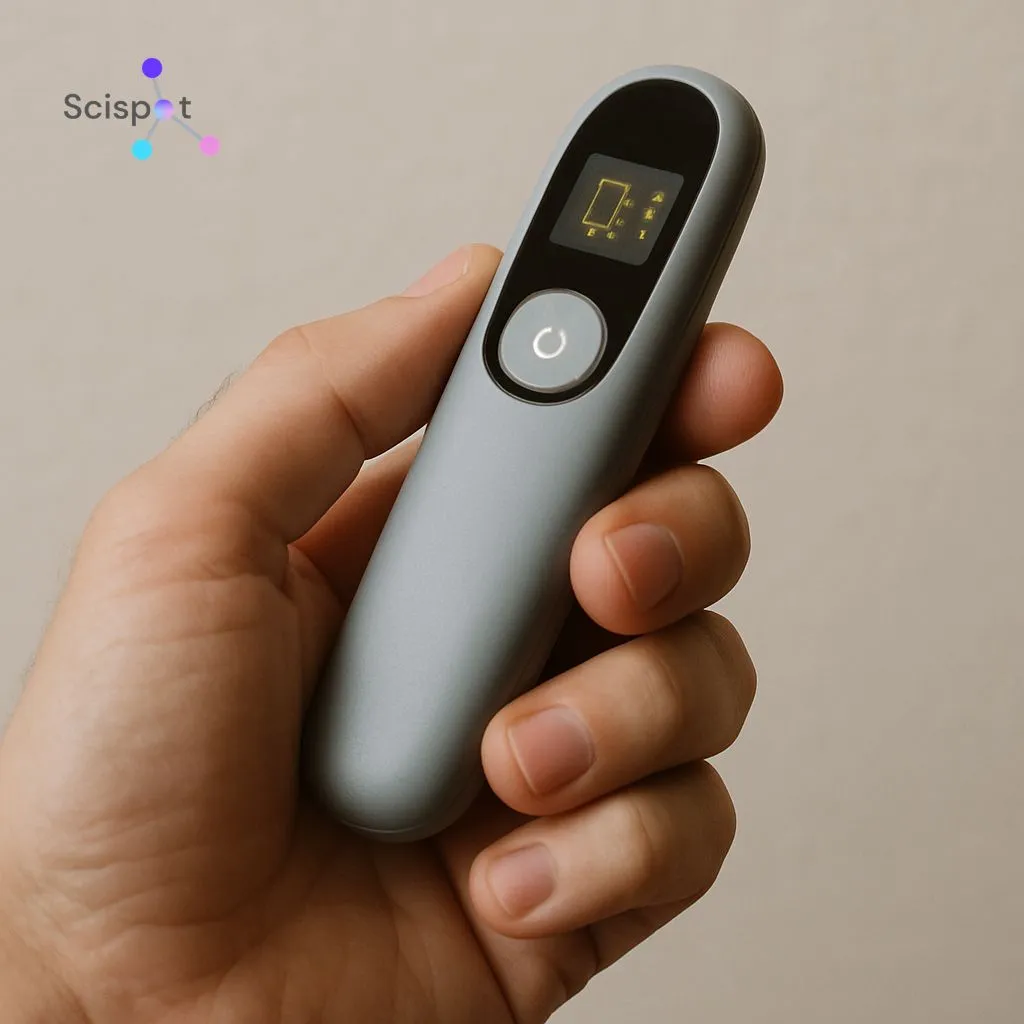
That wait is starting to disappear because of point of care molecular diagnostics. Instead of sending samples to a distant lab, doctors can now use compact devices right in the exam room to check a swab for a germ’s unique genetic barcode. According to clinical researchers, this technology works like a biological photocopier. It amplifies tiny traces of a virus until the result is clear, often in about twenty minutes.
That shift matters because it changes the patient experience in a real way. Medical teams can connect an accurate diagnosis to a treatment plan before you even leave the room. Long waits for answers are slowly becoming less common.
The Genetic Fingerprint: Why Molecular Testing Beats Traditional Rapid Tests
A lot of us have taken a rapid test while feeling awful, only to get a negative result. That happens because these tests do not all work the same way. At a clinic, you usually run into one of two options: an antigen test or a molecular test.
Think of a virus as a tiny vehicle. Traditional rapid testing, or antigen testing, looks for physical parts of that vehicle, like the bumper. If there are not enough of those parts in your sample, the test can miss them. DNA-based detection works in a different way. Molecular testing looks for the unique genetic barcode, the core instruction manual, that belongs only to that illness.
Key differences between molecular and antigen testing include:
Antigen (protein-based): Fast and affordable, but lower accuracy means it can miss early infections.
Molecular (DNA-based): Much more accurate and often seen as the medical gold standard, though it used to take much longer in a lab.
Because it looks for a clear genetic signature, this method is less likely to miss a hidden infection. But if it starts with just a few tiny pieces of genetic material, how does the machine find them before you leave the doctor’s office? The answer is the photocopier effect: rapid nucleic acid amplification that brings lab work into the clinic.
The Photocopier Effect: How Rapid Nucleic Acid Amplification Shrinks the Lab
Finding one tiny instruction manual in a huge swimming pool would be hard. Early in an illness, there may be only a few copies of a virus in your system. That is why people often ask how PCR tests manage to find it. The answer is not a stronger magnifying glass. It is a biological photocopier.
Instead of hunting for one hidden barcode, the device uses rapid nucleic acid amplification tests to multiply the evidence. If the viral DNA is there, the machine copies that small piece of genetic material thousands or millions of times. Within minutes, one invisible manual turns into a large stack the system can detect.
Getting that whole process into a clinic takes some serious engineering. One big part of it is microfluidic lab-on-a-chip technology. This system uses tiny channels and valves to guide drops of liquid that contain your sample. It automatically mixes the right fluids to start the copying process, so a human technician does not have to measure chemicals by hand.
By pairing the photocopier effect with a lab-on-a-chip, engineers have fit what used to need a full hospital lab into a portable device. You can get a highly accurate molecular diagnosis before you even head back into the waiting room. That same technology is now showing up in local pharmacies and doctor’s offices, where it helps diagnose everything from strep throat to staph infections.
From Strep Throat to Staph Infections: Where You’ll Encounter Rapid Molecular Testing
You do not need to go to a major hospital to benefit from this technology. Because these devices automate the hard chemistry, many are classified as “CLIA-waived.” That means the government considers them reliable and simple enough to use without a specially trained scientist. As a result, you may now see CLIA-waived molecular platforms at neighborhood pharmacies and urgent care clinics.
Bringing the lab into the doctor’s office creates new options for near-patient testing. Instead of guessing from symptoms alone, healthcare providers can quickly identify what is actually making you sick. Today, this kind of rapid genetic scanning is commonly used to diagnose:
- Strep A
- Flu
- COVID-19
- Urinary tract infections (UTIs)
Knowing exactly which bug you have helps protect your long-term health. When doctors have to guess, they may prescribe antibiotics for a viral infection. That does not help, and it can contribute to resistant superbugs. By cutting diagnostic turnaround time to just a few minutes, doctors can practice better antibiotic stewardship. In simple terms, they can prescribe these medicines only when a test shows a bacterial infection is really there.
Getting the right diagnosis on the first visit changes more than convenience. As infectious disease testing moves out of distant labs and into daily care settings, the real value shows up in speed and access.
Why Speed Matters: The Impact of Decentralized Clinical Laboratory Testing
Waiting for medical results can feel like the hardest part of being sick, especially when a miserable child is at home. In the past, your sample was packed up and sent away, and then you waited days for a call. Decentralized clinical laboratory testing changes that. By moving the equipment out of large facilities and into neighborhood clinics, results can come back in minutes instead of days.
That shift is possible because modern machines are now small enough to sit on a countertop. The benefits of a portable diagnostic device go beyond saving you a second trip to the doctor. When providers can see what is happening in your body right away, they can monitor patients in real time. If they catch a serious infection early, treatment can start before you even leave.
In the end, the difference between a central lab and point of care testing often comes down to peace of mind and speed. Getting the right prescription sooner can help you feel better faster and stop infections earlier. As these tools get smaller without losing accuracy, they are starting to move beyond the clinic. Home use is already on the horizon.

The Home Health Revolution: Bringing Molecular Power to Your Medicine Cabinet
Waking up with a fever and knowing what virus you have before you even make coffee no longer feels far off. That kind of clarity is no longer limited to a doctor’s office. The same technology that turned large lab machines into countertop clinic devices is now moving into the home. Soon, people may be able to check symptoms for unique biological barcodes right from their own medicine cabinet.
That level of accuracy at home could make a real difference in stopping the spread of illness. Rapid infectious disease detection at home means families can isolate sooner when flu or another virus shows up, which can help reduce spread in schools and workplaces. As the point of care molecular diagnostics market reaches everyday consumers, early detection of that viral genetic instruction manual could help protect whole communities.
This technology may also help with more than sudden illness. It could offer a practical way to monitor chronic health issues without constant trips to the lab. Keeping a closer watch on day-to-day health may become almost as simple as checking your temperature. These molecular tools are becoming a more regular part of healthcare and giving people more control over their care.
Taking Control of Your Diagnosis: What to Ask Your Doctor
You no longer have to choose between a fast answer and a reliable one. By bringing lab-level accuracy into the exam room, point of care molecular diagnostics can give patients quicker answers and a faster path to treatment. Here are a few practical things to ask at your next appointment:
- Ask if the test is molecular or antigen: Make sure you know which kind of test you are getting.
- Ask about turnaround time: Know when to expect the result.
- Ask how the result affects treatment: Understand how the diagnosis connects to the prescription or next step.
The days of waiting by the phone for lab results are starting to fade. As POC testing becomes more common, it is cutting time to result and making healthcare faster, more reliable, and more focused on helping people get better sooner.