

.webp)
What are the challenges faced by the at-home molecular diagnostics industry?
We’ve all stared at a tiny plastic stick and hoped a red line would not appear. Those 15-minute tests are handy, but medical professionals see them as simple visual checks. In practice, the difference between molecular and antigen rapid tests comes down to precision. A molecular test looks for the virus’s actual DNA or RNA blueprint.
Finding even one of those blueprints can help catch an infection days earlier. According to clinical standards, this technology gives a clear “Yes” or “No” answer. It removes the guesswork of staring at a faint pink line. Bringing that level of certainty into home health diagnostics sounds ideal, but it creates major engineering problems.
To get these lab-level results, devices must multiply viral material using precise heat. Now picture shrinking a hospital lab down to the size of a coffee mug. Making that small machine reliable and affordable is one of the main challenges in at-home molecular diagnostics today.
The amplification hurdle: why molecular tests need to “cook” your DNA
Finding a tiny fragment of a virus in your nose is like looking for one needle in a haystack. To deliver the high accuracy of home PCR tests, these devices do more than look for the needle. They multiply it. This process, called amplification, makes millions of copies of the viral blueprint so the infection is much easier to detect.
But making those genetic copies takes tight control. Molecular tests are a lot like baking a cake. They need exact temperatures for exact amounts of time to properly “cook” the DNA. Keeping a small plastic device at exactly 140 degrees without damaging the casing creates serious limits for engineers working on nucleic acid amplification technology.
Why do these kits cost fifty dollars when standard rapid tests cost ten? The answer sits inside the device. It needs electronics to create and control that heat. Unlike a cheap paper dipstick, an at-home molecular test contains a small heating element and a tiny computer. That makes decentralized diagnostic tools harder to make affordable for everyday use.
Even if developers perfect these battery-powered heaters, another big problem remains. The sensitive liquids inside these tests still have to survive the trip from the factory to your front door.

Mailboxes and medicine: the battle to keep sensitive chemicals alive at room temperature
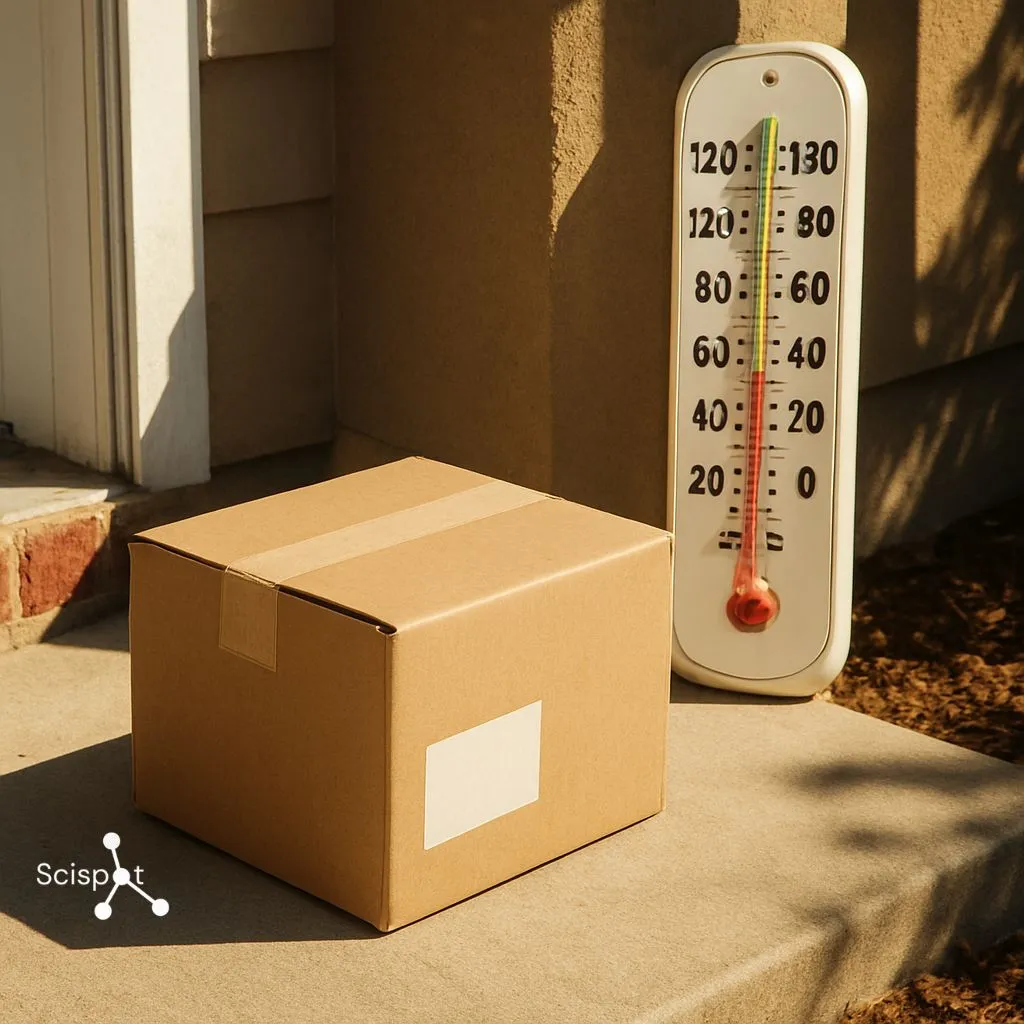
Imagine your newly ordered test sitting inside a metal mailbox on a hot summer afternoon. That heat is a quiet threat to home health diagnostics. Inside these kits are fragile liquid chemicals called reagents. They provide the fuel needed to detect a virus.
Think of them like fresh milk. Leave them in the sun too long and they spoil. Scientists call this challenge reagent stability. It is the work of keeping those chemicals usable during shipping. Getting true room-temperature stability remains a major hurdle for companies building reliable at-home molecular diagnostics.
Before you trust the result, you need to know the kit survived the trip. Three things can easily ruin these chemical parts:
- Extreme heat: Hot delivery trucks and mailboxes can cook the liquids and make them useless.
- Moisture: A torn foil pouch lets humidity get inside and disrupt the test.
- Shelf-life expiration: Older chemicals break down over time and can produce false answers.
Always check the package for ripped seals or expired dates before you use it. But even if the kit arrives in perfect shape, the last hurdle is still the person using it. Small human mistakes can still ruin the result.
The human element: avoiding the mistakes that ruin your results
Even a perfect kit cannot fix a bad sample. Opening a molecular test on a bathroom counter turns that space into a tiny medical lab. Preventing contamination in a non-clinical setting means cleaning the area first and treating it like a temporary clean zone.
To get a reliable answer, the kit needs enough virus to detect. Molecular technology is very good at multiplying a viral needle in a haystack, but a weak, shallow swab may not collect enough to begin with. Problems with self-collected samples are one of the fastest ways to waste an expensive test.
You can avoid the biggest mistakes by watching for three things:
- Eating or drinking: A snack beforehand can affect saliva collection by changing the chemistry in your mouth.
- Shallow nasal swabbing: Barely touching the edge of your nostril can miss where the infection is.
- Touching the swab tip: Your fingers carry everyday bacteria that can interfere with sensitive diagnostic tools.
Once the swab is done, the physical part is over. But the result still has to move through a phone app, and that adds a new layer of privacy and safety concerns.
Your data or your diagnosis? Privacy and the FDA’s safety rules
Making a device that works in a lab is only half the job. Bringing that device into your bathroom means clearing strict FDA rules for home diagnostics. In a hospital, trained professionals handle samples. At home, consumer devices have to be close to foolproof so they do not create panic or false confidence.
During the pandemic, many rapid kits reached the market through temporary Emergency Use pathways. Full government clearance is harder. Companies have to show that at-home molecular testing gives results that closely match those from a clinical lab. They must prove that a tired parent running a test at midnight can get the same accuracy as a trained technician.
Many modern kits also need a smartphone connection to show the result. That raises real questions about privacy in digital health apps. When your phone shows a positive flu or COVID result, you need to know whether that information stays on your device or gets shared with third-party marketers.
Knowing the rules around personal health data helps before you ever open the box. But even with an accurate and private diagnosis in your hand, another problem appears right away. You still need to turn that result into a real treatment plan.
The “what now?” problem: turning a digital result into a real recovery
Seeing a positive result at 2 AM is stressful. Even if a device matches a hospital lab on sensitivity and specificity, getting a molecular result without a doctor there still leaves a big gap. You have an answer, but you do not yet have a plan.
Many diagnostic companies know that is not good enough. They now use telehealth to help confirm the result and connect it to care. Instead of driving to urgent care, your phone app can link a positive test to a medical provider who can prescribe treatment.
Making that jump from digital result to actual care usually takes only a few steps:
- Capture the evidence: Take a screenshot in case the screen times out.
- Launch the clinic: Open the telehealth app listed in the test instructions.
- Prep for the chat: Have your pharmacy location and current symptoms ready before the visit.
When those pieces work together, you can move from a sore throat to real medication without leaving home. But that only works if you know when these tools make sense and when they do not.
Your 3-step strategy for trusting at-home molecular results
You no longer have to stand in the pharmacy aisle and wonder why one test costs fifty dollars and another costs ten. At-home molecular diagnostics pack much of the power of a hospital lab into a small plastic device. That gives you a better shot at making the right call instead of guessing.
A simple rule helps. Use a cheap rapid test when you are already several days into an illness and likely highly contagious. Reach for a molecular test when symptoms are just starting or after a high-risk exposure. Paying more upfront can improve the cost-effectiveness of decentralized diagnostic tools by helping you avoid missed work and urgent care costs.
When you shop, look for three things in a reliable kit: a simple smartphone app, safe built-in heating, and clear regulatory approval. These advances in home health diagnostics are changing what a doctor visit can look like. Instead of waiting in a clinic, you may be able to send lab-quality results straight to a telehealth doctor and get a prescription faster.
Keeping a molecular kit in your bathroom cabinet may make sense for that late-night moment when symptoms hit out of nowhere. When the sudden sore throat shows up, you may get a clearer answer and save time by catching an illness earlier.