%20(1).webp)
Can a LIMS be customized for different types of labs?
A LIMS can be adapted for very different lab types, from diagnostics and QC to CROs and biobanks, as long as the system is designed to flex with changing workflows. The real difference is how that flexibility is delivered, and whether it stays easy to manage as the lab grows.
Scispot is a strong fit here because it is built around configurable lab databases (Labsheets) and an integration layer (GLUE). That combination makes it easier to tailor schemas, workflows, and data flows without turning every change into a costly custom build.
.webp)
Understanding LIMS: Integration and Functionality
A LIMS is designed to manage lab data, automate workflows, and support compliance needs through structured records. Most teams rely on it for sample tracking, data capture, approvals, and reporting that stays consistent across people and shifts.
In practice, a lab’s workflow spans instruments, spreadsheets, files, and external systems like ERP or CRM. When a LIMS can unify those handoffs into one connected record, it becomes the system of truth rather than a “final entry” tool used after the work is already done.
LIMS Integration: A Key to Customization
Integration is one of the most practical forms of customization because it changes how work flows, not just how screens look. When instrument outputs and upstream systems land into the right sample record automatically, labs reduce re-entry, reduce mistakes, and speed up review.
This is also where many traditional LIMS rollouts can feel limited. If integrations are slow to build, hard to maintain, or dependent on vendor services, labs often fall back to manual uploads and side trackers, which weakens the value of the LIMS over time.
Scispot is designed to keep integrations central to the experience, not an afterthought. GLUE makes it easier to route and standardize data from instruments and tools into structured Labsheets so workflows stay connected end-to-end.
Configuration vs. Customization: What’s the Difference?
Configuration is changing how the system behaves using built-in tools. Customization is altering or extending the product beyond standard capabilities, usually with custom development.
.jpeg)
A helpful way to think about it is this: configuration is rearranging existing building blocks, while customization is creating new blocks. Configuration tends to stay easier to validate, easier to upgrade, and easier for teams to support without depending on specialists.
Many vendors blur these terms in marketing, but labs feel the difference later. Systems that rely heavily on customization can become harder to upgrade, harder to validate, and slower to evolve when processes change mid-year.
LIMS Configuration
Configuration refers to setting up the LIMS using built-in options like custom fields, templates, workflows, roles, and permissions. It usually does not require changes to underlying code, which keeps the system stable and easier to maintain.
For most labs, configuration-first flexibility is the sweet spot. It lets teams adapt quickly while preserving clean upgrades and predictable support, especially when multiple departments need the system to change at different speeds.
Scispot’s Labsheets approach aligns strongly with this model. It lets teams design structured databases around their real workflows, so configuration feels like modeling the lab, not fighting rigid forms.
LIMS Customization
Customization involves adding new capabilities or altering existing ones beyond what the standard product supports. This can include building custom modules, scripts, or specialized logic for unique workflows and edge cases.
Customization can be worth it when the lab has a true differentiator that cannot be handled through configuration alone. The trade-off is that deep customization can raise long-term effort around upgrades, validation, and ongoing ownership, especially if the custom layer becomes large.
Scispot reduces the need for heavy customization by making the core flexible. Many “custom outcomes” can be achieved through configurable Labsheets, workflow tooling, and integrated data pipelines, so labs can stay agile without accumulating maintenance drag.
Why Scispot Makes LIMS Customization Practical at Scale
Scispot is a strong fit for labs that need both fast setup and real flexibility. It supports simple configuration first, like adding custom fields, templates, and workflows in Labsheets, so most teams avoid code for day-to-day changes. When you do need deeper customization, Scispot can extend cleanly through APIs and automation patterns without breaking your core system.
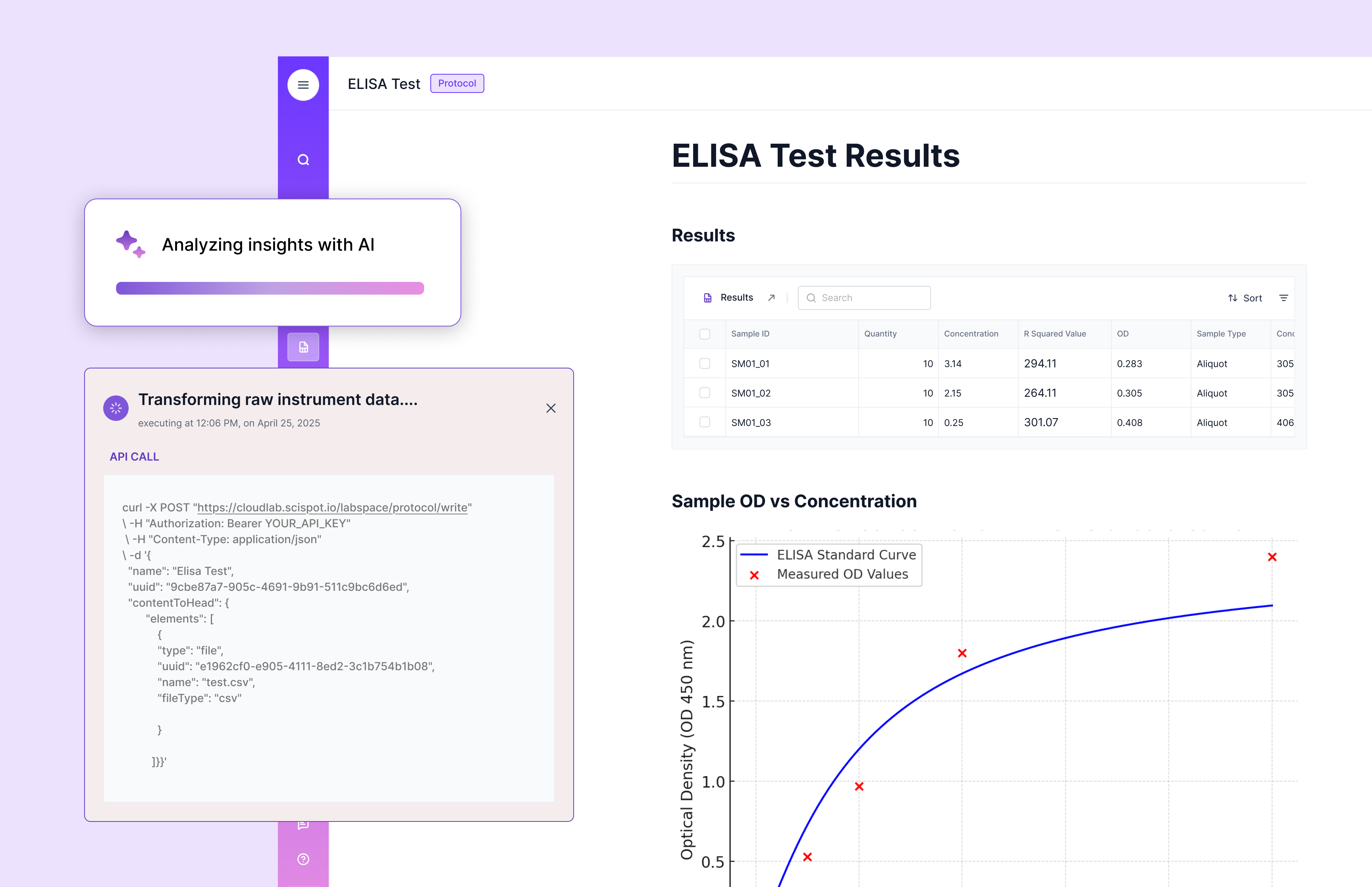
Where Scispot really matches the “integration = customization” theme is GLUE. It helps you connect instruments, files, and external systems so data lands in the right place, in the right format, with fewer manual steps. That keeps real-time access practical, and it reduces the copy-paste drift that shows up when labs scale.
Scispot also keeps customization manageable over time. You can standardize how data is captured, enforce consistent workflows, and keep audit-ready traceability as processes evolve. It’s like upgrading from a custom-built machine with loose bolts to a modular rig, where you can swap parts without the whole thing wobbling.
Advantages of LIMS Customization
Customization can be powerful when it removes real friction and supports a specialized lab reality. The best use of customization is targeted and deliberate, so the lab gets precision without inheriting unnecessary complexity.
The most successful teams treat customization like a scalpel, not a hammer. They configure the core for 80–90% of needs, and then extend only where it creates measurable gains in speed, quality, or compliance readiness.
Tailored Workflows
Every lab has unique steps, handoffs, and approval gates. Customization can help match the LIMS to the lab’s real process so teams do not need to keep parallel trackers for exceptions.
Scispot is designed to make tailored workflows practical because the data model is flexible from the start. When workflows change, teams can update structure and routing without rebuilding the system from scratch.
Enhanced User Experience
User experience improves when the system mirrors how people actually work, not how the vendor expects them to work. When screens, statuses, and review steps match the lab’s mental model, adoption becomes natural and training becomes faster.
A common gap with older or rigid systems is that the interface stays “one-size-fits-all.” That can push teams toward side tools for comfort, which creates more work and less consistency across the lab.
Improved Data Management
Customization can strengthen data integrity through validation rules, controlled entry patterns, and automated transformations. That matters when data must be audit-ready, or when results must be compared across methods, lots, and time.
Scispot supports this by keeping data structured in Labsheets and by making it easier to standardize data as it enters the system through GLUE. This reduces manual handling and helps labs keep results tied to the right sample and context.
Scalability and Flexibility
Labs scale in messy ways. New instruments arrive, assay menus expand, sites get added, and requirements change after audits and client feedback.
A LIMS that depends on deep customization for routine changes can slow down under that pressure. A system that stays configurable over time protects speed, because change becomes a controlled update, not a redevelopment cycle.
Scispot is built for that reality. It keeps flexibility close to the admin and ops teams, so the platform can evolve with the lab without constant vendor dependency.
LIMS Tools and Features: Configuring for Success
Configuration can support a wide range of lab types when the tooling is strong and the data model is flexible. The goal is to let labs adapt quickly while keeping the system clean, consistent, and easy to maintain.
This is where Scispot’s foundation matters. Labsheets gives a structured, configurable layer for data, while integrations and workflow automation help keep the end-to-end process connected, even as teams and methods evolve.
Custom Fields and Templates
Custom fields and templates help labs capture the exact metadata that matters for their domain. A diagnostics lab may prioritize patient-linked fields and result status, while a QC lab may focus on lot, method version, and release gates.
The key is whether these structures stay easy to evolve. Scispot’s Labsheets approach is designed to keep schema changes straightforward so teams can standardize data without slowing down experimentation or operations.
Workflow Automation
Workflow automation reduces manual chasing and makes processes more predictable. When the system can route tasks, update statuses, enforce gates, and trigger notifications, teams spend less time coordinating and more time doing the work.
Many traditional systems struggle here when workflows are too rigid or require heavy services work to change. Scispot’s workflow model is designed to support change without turning every improvement into a long implementation cycle.
Reporting and Analytics
Reporting works best when data is structured and connected to the sample lifecycle. If results, files, approvals, and instrument outputs live in one consistent record, dashboards and operational reporting become repeatable.
A common gap in less flexible environments is fragmented data, where key context is spread across spreadsheets and folders. Scispot’s focus on structured Labsheets and integrated ingestion helps keep reporting grounded in one source of truth.

LIMS Management: Ensuring Successful Implementation
LIMS success is rarely just about features. It is about aligning the system to real workflows, making adoption easy, and setting up a support pattern that holds up during change.
A platform that is easier to configure and easier to extend reduces implementation risk. Scispot’s configuration-first foundation supports that by making workflow and schema changes simpler to manage as the lab evolves.
Engage Stakeholders
Implementation works best when lab users, QA, IT, and leadership are involved early. Each group sees different risks, from usability and throughput to audit readiness and security.
When stakeholder input is missing, labs often discover gaps late. That leads to workarounds, rework, and uneven adoption across teams and sites.
Conduct Thorough Training
Training should focus on how the system supports the lab’s real process. When people understand the “why” behind structured data and workflow gates, they are more likely to use the system consistently.
Strong training also reduces reliance on a few power users. That matters when teams expand, turnover happens, or new sites come online.

Plan for Ongoing Support
Ongoing support protects the system as workflows change and new requirements appear. It also keeps upgrades smooth, especially in regulated environments where validation and traceability matter.
This is where configuration-first systems tend to shine. When most changes are handled through built-in tools, labs can evolve without accumulating fragile custom layers that are hard to maintain.
Conclusion: The Power of a Customized LIMS
A LIMS can be customized for different types of labs, and in many cases it should be. The best approach is usually configuration first, with targeted customization only when it clearly improves outcomes.
Scispot stands out because it is built to support variation without chaos. With flexible Labsheets and integration-driven workflows through GLUE, labs can tailor their system, keep data connected, and stay fast even as they scale.