

.webp)
Why are molecular assays important in diagnostics?
Molecular assays sit at the core of modern diagnostics. They detect specific DNA or RNA sequences and give direct insight into what is happening at a genetic level.
They help identify genetic disorders, infections, and cancer with a level of precision older methods struggle to match. Results come faster and stay consistent when the process is well validated. That matters in clinical settings where decisions depend on reliable data.
These assays also support personalized medicine. When results are clear, treatment can be tailored to the patient instead of using a one-size approach.
As tools improve, molecular assays are becoming easier to use and more affordable. Their role keeps growing across diagnostics, research, and even environmental testing.
What Are Molecular Assays?
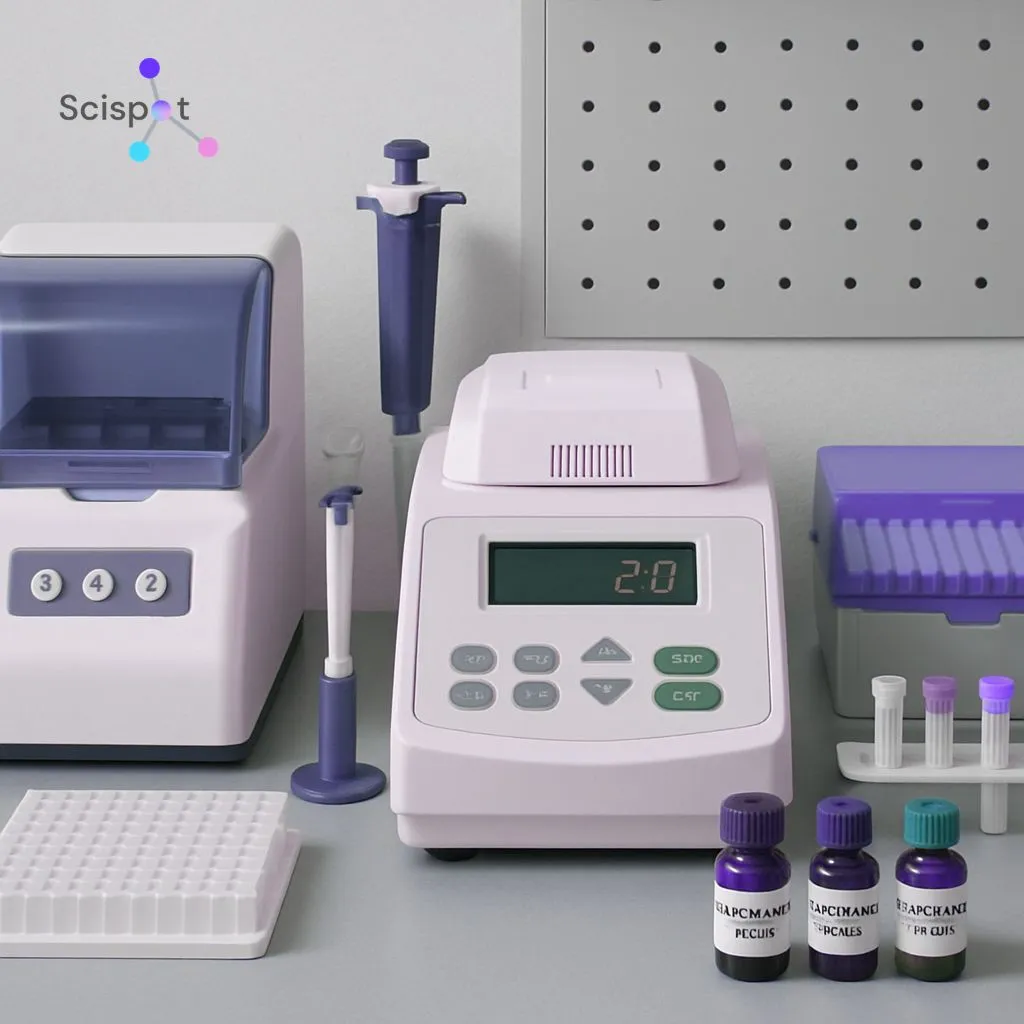
Molecular assays are lab techniques that study DNA or RNA in a sample. They focus on finding specific sequences linked to disease or biological changes.
They can detect mutations, pathogens, or biomarkers. This makes them useful for both diagnosis and monitoring.
Some assays answer a simple yes or no. Others measure how much of a target is present. That mix allows labs to choose the right level of detail for each case.
Their value comes from speed and precision. You get answers quickly, and those answers are specific.
Key traits include high sensitivity, strong specificity, fast turnaround, and flexibility across use cases.
Types of Molecular Assays
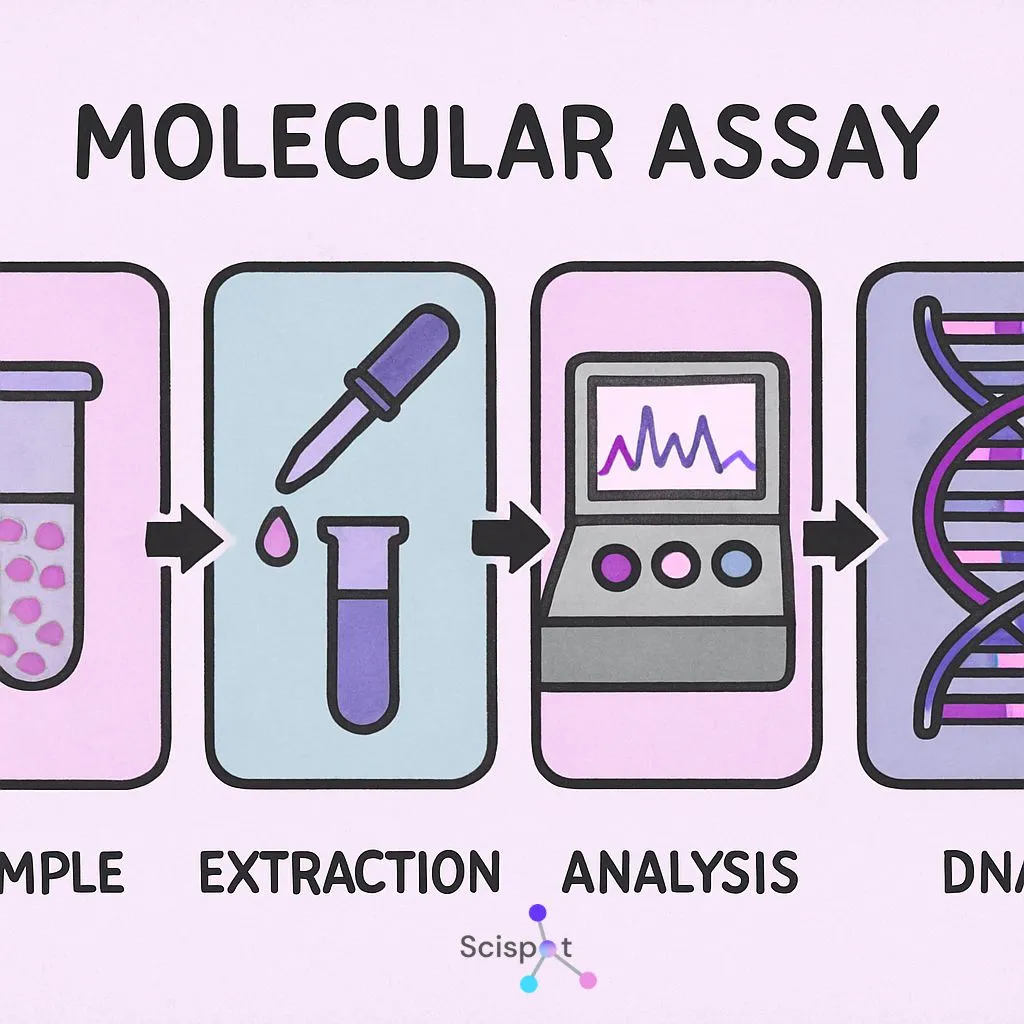
Different assays serve different needs. The most common ones include PCR, NGS, and microarrays.
PCR amplifies small pieces of DNA. It helps detect infections or genetic changes fast.
NGS reads large sections of DNA at once. It is used in cancer research and advanced diagnostics where detail matters.
Microarrays check many genes at the same time. They work well for gene expression and profiling studies.
Each method has trade-offs. Some are faster. Some are deeper. The right choice depends on the goal.

Applications in Molecular Diagnostics
Molecular assays play a direct role in clinical care. They help detect diseases early and guide treatment.
In cancer care, they identify mutations that shape therapy decisions. In infectious disease testing, they confirm the exact pathogen. In genetic screening, they reveal inherited risks.
Speed matters here. Faster results mean faster treatment.
These assays also improve consistency. Doctors trust results that repeat under the same conditions.

Assay Development and Validation
Building a reliable assay takes careful design. Each test targets a specific molecule and must work across different conditions.
Validation checks if the assay is accurate and repeatable. Without it, results cannot be trusted.
Teams look at sensitivity, specificity, and consistency across samples. They also ensure the assay holds up under real lab conditions.
Regulatory alignment is part of this process. It builds confidence in the results for both clinicians and researchers.
Typical steps include defining targets, testing early performance, validating across conditions, and meeting regulatory standards.

Key Technologies in Molecular Biology Assays
Molecular assays rely on a few core technologies.
PCR amplifies DNA so it can be detected easily. NGS reads large amounts of genetic data in parallel. qPCR tracks DNA levels in real time.
Each tool solves a different problem. Together, they cover most diagnostic needs. Advances in these technologies have made assays faster, cheaper, and more scalable.

Importance of Sensitivity and Specificity
Sensitivity and specificity define how well an assay performs. Sensitivity measures how well the test finds true positives. Low sensitivity means missed cases.
Specificity measures how well it avoids false positives. Low specificity leads to wrong alarms. Both matter. A good assay balances the two to give reliable results.
Molecular Assays in Research and Clinical Practice
In research, molecular assays help study how genes behave. They show how diseases start and progress.
In clinical work, they guide treatment. For example, cancer therapy often depends on genetic markers found through these assays.
They also help track how well a treatment is working. Clinicians adjust plans based on real data, not guesswork.
Challenges and Future Directions
Some challenges remain.
Maintaining accuracy at scale is hard. High-throughput labs need strong workflows and automation.
Cost is still a barrier in some settings. Access needs to improve, especially in low-resource regions.
The next phase is already forming. AI will help interpret complex data. Point-of-care tests will bring diagnostics closer to patients. Multiplex assays will detect multiple targets at once.
Conclusion
Molecular assays have reshaped diagnostics. They give fast, precise, and actionable results.
As technology improves, their reach will expand. Better tools will mean better care, clearer insights, and stronger research outcomes.