.webp)
What is LIMS reporting?
In today's fast-paced laboratory environments, managing and reporting data efficiently is crucial. Labs handle large volumes of results every day, and when reporting depends on manual steps, small errors can spread fast.
LIMS reporting is the way a Laboratory Information Management System turns lab activity into usable outputs. It pulls from samples, tests, workflows, instruments, and approvals to generate reports that teams can trust.
A Laboratory Information Management System (LIMS) is a software solution designed to manage laboratory operations and data. It helps labs automate workflows, integrate instruments, and manage samples and associated information.
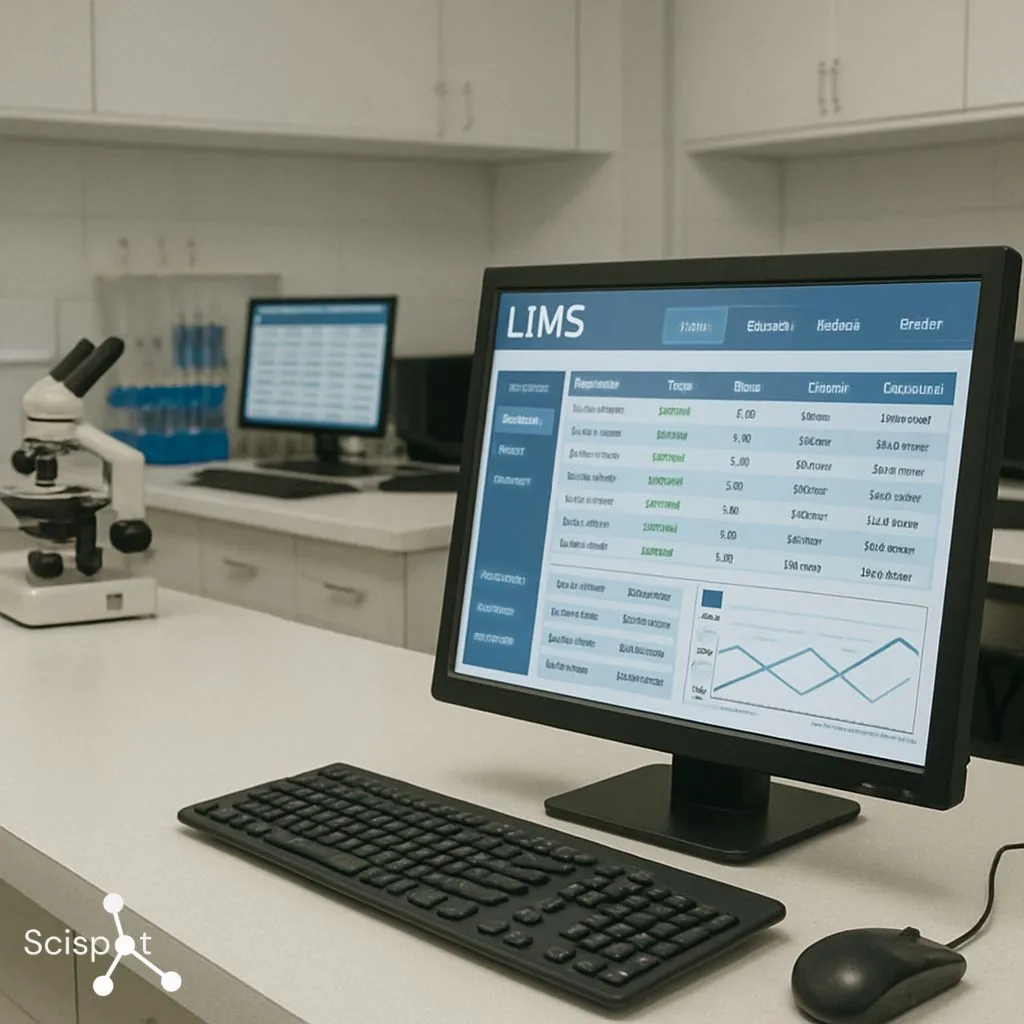
But beyond these capabilities, LIMS plays a vital role in reporting. Reporting is where raw data becomes decisions, approvals, customer-ready PDFs, and audit evidence.
With Scispot, reporting is designed to stay close to the actual workflow. Structured capture through Labsheets and workflow traceability help ensure reports stay consistent even as teams and projects grow.
Why LIMS Matters in Lab Management
LIMS matters because labs cannot scale on spreadsheets and scattered files. When data lives in many places, reporting turns into reconciliation instead of a clean “generate report” moment.
Data accuracy improves when the system captures results in a structured way. Scispot leans into this by treating lab databases as first-class objects, so your reporting is built on clean inputs instead of cleanup work later.
Time efficiency improves when reporting is tied to the workflow. You get faster reviews because the system can surface the latest status, exceptions, and QC flags without waiting on manual exports.
Compliance improves when reporting includes traceability by default. Scispot emphasizes audit-ready controls like audit trails and secure access patterns, so reports can carry the “who, what, when” context auditors expect.
The Role of Reporting in LIMS
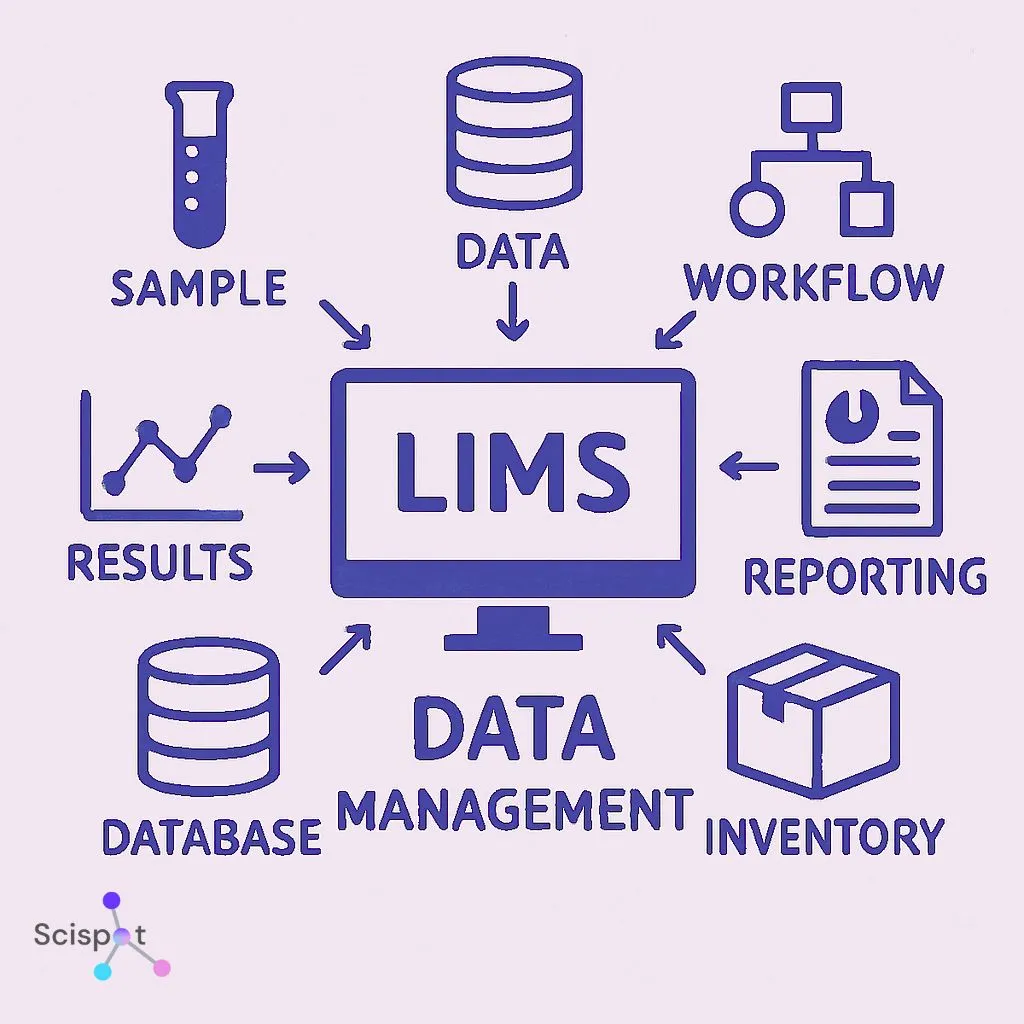
Reporting is one of the fundamental aspects of LIMS. It is how labs summarize outcomes for QC, operations, leadership, customers, and regulators.
A strong reporting layer does more than show numbers. It shows how the numbers were produced, what changed, and what was approved.
This is also where many older setups create friction. Some LIMS environments rely on external report tooling like Crystal Reports, which can add a separate skill set and workflow for building and maintaining reports.
Scispot takes a more modern approach by keeping reporting close to the data model and workflow. That means less “report engineering” and more repeatable, auditable reporting that lab teams can keep consistent over time.
Key Features of LIMS Reporting Tools
LIMS reporting tools come with several features that enhance laboratory operations. The most important one is flexibility, because labs need both detailed method-level reports and high-level summaries.
Customizable reporting matters because each lab has its own review flow. Scispot supports this by pairing structured capture with dashboards and analytics, so teams can build reporting around their real process, not the other way around.
Real-time access matters because “latest status” drives daily decisions. When reporting depends on scheduled exports, teams lose time and confidence.
Integration matters because reports are only as good as the data flow. Scispot’s GLUE is positioned to connect instruments and systems so results move into the reporting layer with less manual copy-paste and fewer breakpoints.
Scispot for LIMS Reporting That Stays Accurate and Audit-Ready
If your main goal is better reporting, Scispot fits naturally because it treats reporting as part of the workflow, not something you do at the end. Data gets captured in structured, repeatable formats while work is happening, so reports don’t depend on last-minute spreadsheet cleanup. That means fewer gaps in context, fewer “who edited this?” questions, and fewer delays when results need to be reviewed or shared.
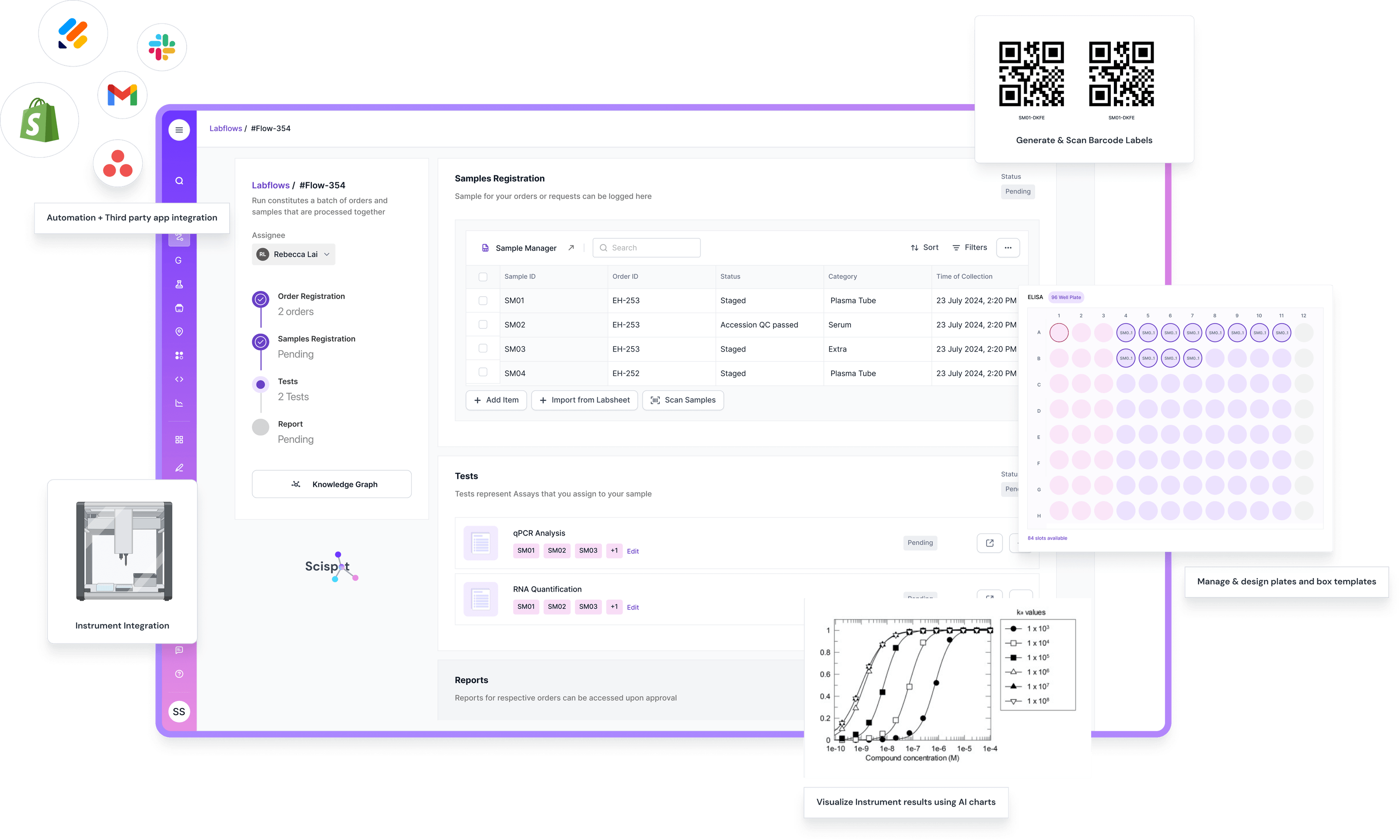
Scispot also works well when reporting needs to match how the lab actually runs. You can set up templates for common assays, standardize what fields get captured, and tie reports directly to samples, runs, instruments, and approvals. So when you generate a QC or compliance report, it reads like a clean story of the sample’s journey, rather than a stitched-together export. It’s like moving from loose sticky notes to a versioned lab logbook that stays searchable and audit-ready.
Many legacy LIMS tools can produce reports, but teams often end up relying on external BI tools, custom scripting, or manual formatting to get “decision-ready” dashboards. Scispot reduces that extra layer by keeping the underlying data model consistent, and by supporting automated checks and real-time views that update as results come in. The practical outcome is simple: faster sign-offs, fewer rework loops, and reports that stay consistent across projects as your lab scales.
Types of Reports Generated by LIMS
LIMS can generate various types of reports. Sample tracking reports show where a sample is, what stage it is in, and what is blocking it.
Quality control reports show trends, drift, and outliers. These reports are often what prevent small issues from becoming big deviations.
Regulatory compliance reports package the evidence needed for audits. They often rely on complete histories, approvals, and controlled access logs, which is why systems that keep strong traceability make compliance reporting far less stressful.
Benefits of Implementing LIMS in Your Lab
Implementing a LIMS solution offers benefits beyond reporting. It creates a single source of truth so reporting stops being a weekly cleanup ritual.
It also improves alignment across teams. QC, R&D, and operations can read from the same system instead of comparing versions across tools.
This is where Scispot tends to stand out for modern labs. It combines structured data capture, workflow execution, and analytics so reporting can stay consistent without pushing teams into side spreadsheets.
Enhanced Efficiency and Productivity
Automation reduces repetitive work. That frees staff to focus on review, investigation, and actual science instead of formatting reports.
Efficiency also improves when reporting is built on structured inputs. When the system captures the right fields upfront, teams avoid downstream rework.
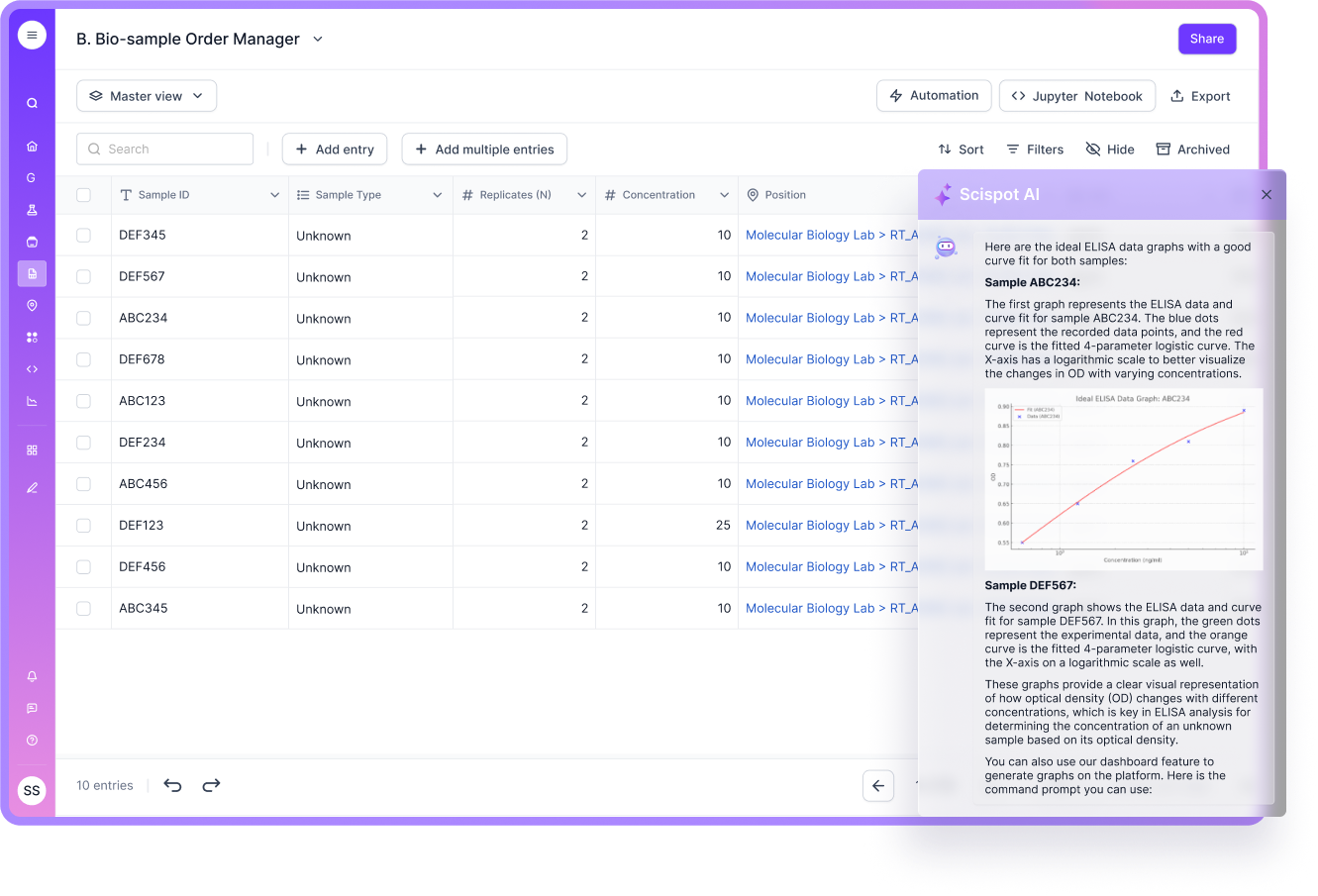
Scispot’s approach supports this by letting teams structure results in Labsheets and then build dashboards and reporting views on top of that same data.
Improved Data Management and Accessibility
Centralized data makes reporting dependable. It also makes it easier to answer questions like “what changed” and “why did this value move.”
Accessibility is not just about search. It is about finding the right context linked to the result, including samples, batches, methods, and approvals.
Scispot positions its platform around connected data models and workflows. That helps labs reduce the “where did this come from” gap that slows reporting reviews.
Better Compliance and Risk Management
Compliance reporting needs traceability. It needs audit trails, e-signatures, and controlled access patterns that match how quality teams work.
Scispot’s compliance positioning focuses on audit logs and electronic signatures, which makes it easier to generate reports that are ready for inspection.
Risk also goes down when reporting is repeatable. When every report depends on the same structured data and the same workflow steps, variance drops.
Choosing the Right LIMS Solution
Selecting the right LIMS is critical for maximizing reporting outcomes. A practical test is how quickly the lab can change a report without creating a technical bottleneck.
Some platforms still rely heavily on external reporting tools like Crystal Reports for report design and maintenance. That can be powerful, but it can also mean extra tooling, extra training, and slower iteration when report needs change.
Scispot’s advantage is that reporting is designed to sit naturally on top of structured lab databases and workflows. That makes it easier to keep reporting consistent across teams and over time.
Scalability and Flexibility
Choose a LIMS that grows with your lab. Reporting needs expand as you add assays, sites, and stakeholders.
Flexibility matters because labs evolve. Scispot emphasizes configurable data models and workflows, which helps labs adapt reporting without rebuilding the system every time the process shifts.
User-friendly Interface
A user-friendly interface reduces training time. It also reduces reporting mistakes caused by inconsistent data entry.
When reporting depends on too many manual steps, the system becomes fragile. Scispot tries to reduce that fragility by keeping capture structured while still being usable for daily lab work.

Integration Capabilities
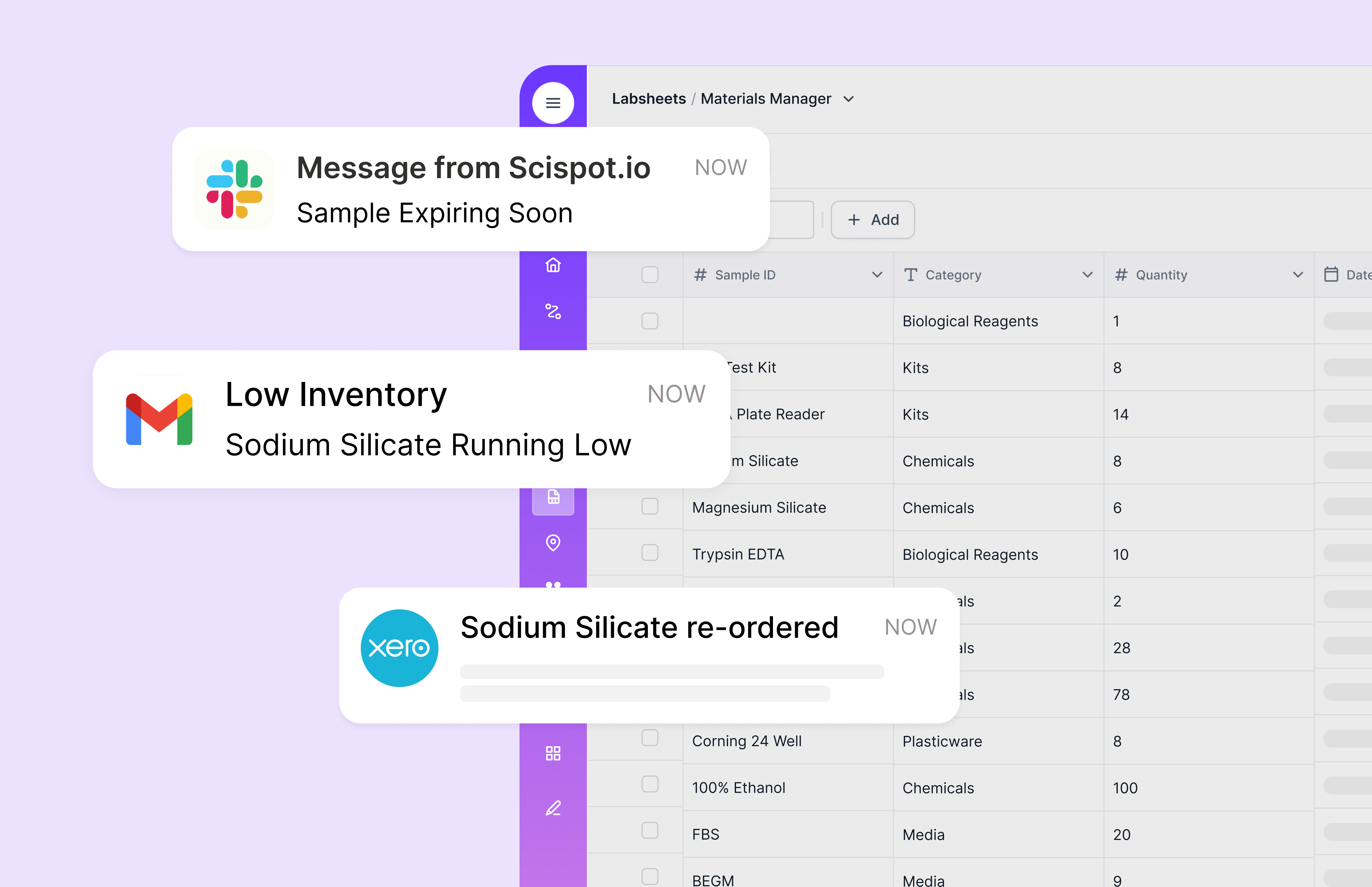
Reporting improves when integrations are reliable. Instrument data should flow into the system in a consistent structure, so reports do not depend on manual copy-paste.
Many labs learn this the hard way when their “reporting process” is really an export process. Scispot’s GLUE is positioned as an integration layer to connect instruments and systems so reporting can stay closer to real time.
Vendor Support and Reputation
Support matters because reporting touches every team. You want a vendor that can help you standardize reporting, training, and rollouts.
It is also worth watching for hidden effort. In many LIMS deployments, professional services can become a big part of the real cost, especially when labs need custom reports, custom integrations, and ongoing changes.
Scispot leans into faster configuration and modern workflows. That reduces the “every change needs a project” feeling that labs often associate with legacy tooling.
Implementing LIMS: Best Practices
Implementation success starts with clarity. Reporting should not be an afterthought, because it is often the main output other teams rely on.
Treat reporting like a product. Define owners, define templates, and define what “good” looks like before go-live.
Assess Your Lab's Needs
Assess the reports your lab produces weekly and monthly. Then map each report to the exact fields and workflow steps needed to generate it cleanly.
This reduces scope creep. It also ensures the LIMS captures what reporting truly needs, not just what feels nice to have.
Involve Key Stakeholders
Involve QC, lab ops, IT, and end users. Reporting breaks when it is designed for one group and used by another.
Stakeholders also help standardize definitions. That is critical for consistency across reports, dashboards, and audit outputs.
Plan for Training and Support
Invest in training so users trust the system. Trust is what stops people from rebuilding reports in Excel.
Also plan for iteration. Even great reporting will evolve, so choose a system where updates are easier and less dependent on specialized report tooling.
Conclusion
LIMS reporting is a game-changer in laboratory data management. It improves efficiency, accuracy, and compliance, while making reporting repeatable and auditable.
The best outcomes come when reporting is built on structured data capture and connected workflows. Scispot is designed around that idea, which is why it fits modern labs that want reliable reporting without the constant export-and-rebuild cycle.
In a world where data is king, LIMS helps labs stay competitive and audit-ready. With the right LIMS in place, reporting becomes a strength, not a bottleneck.
.gif)