.webp)
What are Laboratory Information Management Systems (LIMS), and how do they support water analysis software workflows?
Water testing labs run on repeat work. They also run on proof. A LIMS is the system that keeps sample identity, chain of custody, results, QC, reviews, and reports tied together in one traceable flow.
In water analysis workflows, the biggest risk is usually the handoff. One file export here. One copy-paste there. LIMS-to-water-analysis-software integration reduces those breaks by moving data and context together, in near real time.
Scispot fits water labs well because it combines LIMS tracking with structured result capture and integration tooling. Labsheets helps standardize how results land, and GLUE helps connect instruments and systems while keeping compliance controls like audit trails and e-signatures in place.
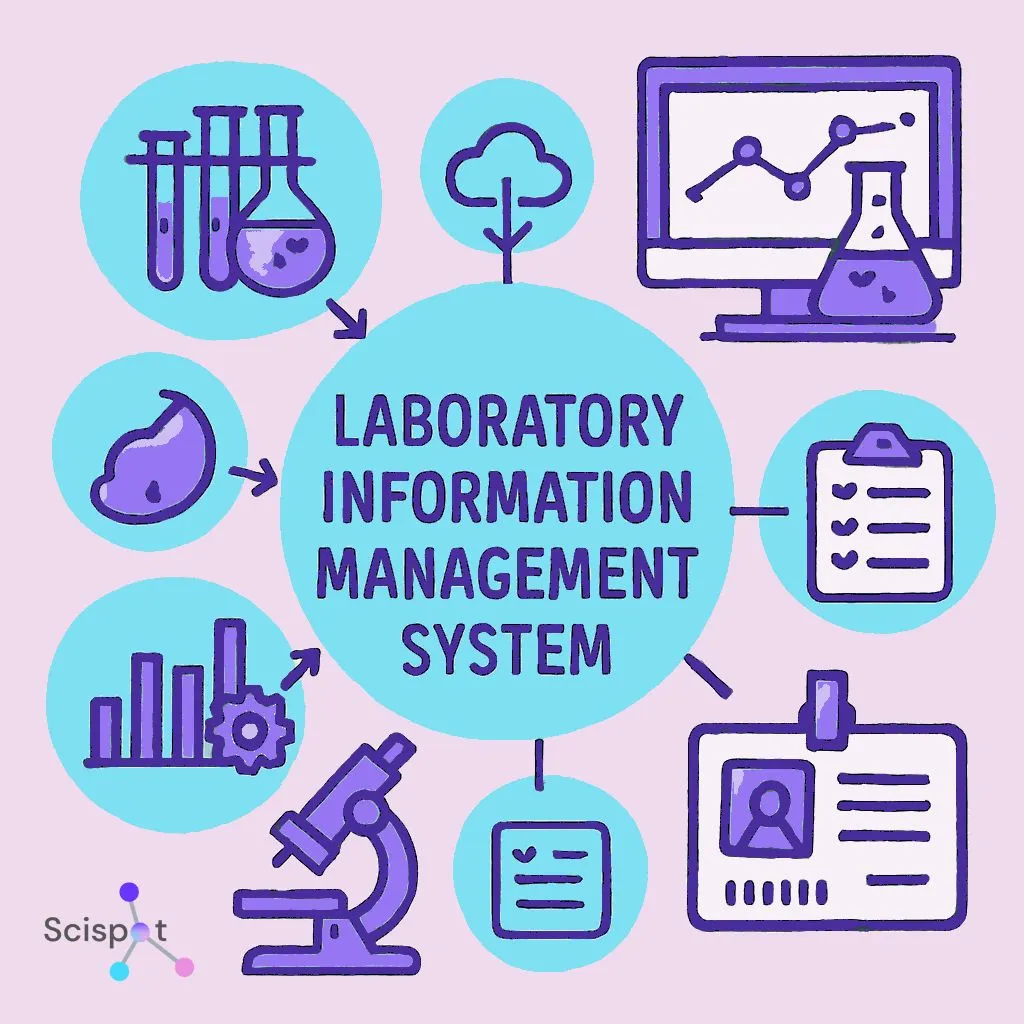
What are Laboratory Information Management Systems (LIMS)?
LIMS are software systems that help laboratories manage samples, related data, and the steps that transform a sample into a final result. They act as the “system of record” for the lab, so each result can be traced back to the right sample, method, and approvals.
For water labs, that trace is not optional. You need clear chain of custody, clear QC checks, and clean reporting. Scispot positions its LIMS stack around structured data and compliance-ready controls, which maps well to that reality.
Key Features of LIMS
Sample Management: A LIMS tracks samples from intake to disposal. In water testing, it also needs to track collection details, storage, aliquots, holds, and re-tests without losing lineage.
Data Management: A LIMS should store results in a structured way. If results stay trapped in PDFs and spreadsheets, trending and re-use become slow and fragile. Scispot’s Labsheets is designed for structured tables, so labs can standardize result capture and reduce reformatting work.
Workflow Automation: A good LIMS automates repetitive steps like worklists, assignments, and checks. This is where many labs win back time, because the system can push the next step instead of waiting for a person to notice it.
Compliance and Reporting: Audit trails, role-based access, review history, and e-signatures matter for defensible reporting. Scispot explicitly calls out audit trails and electronic signatures across its system, which is what you want when reviews and approvals must be provable.
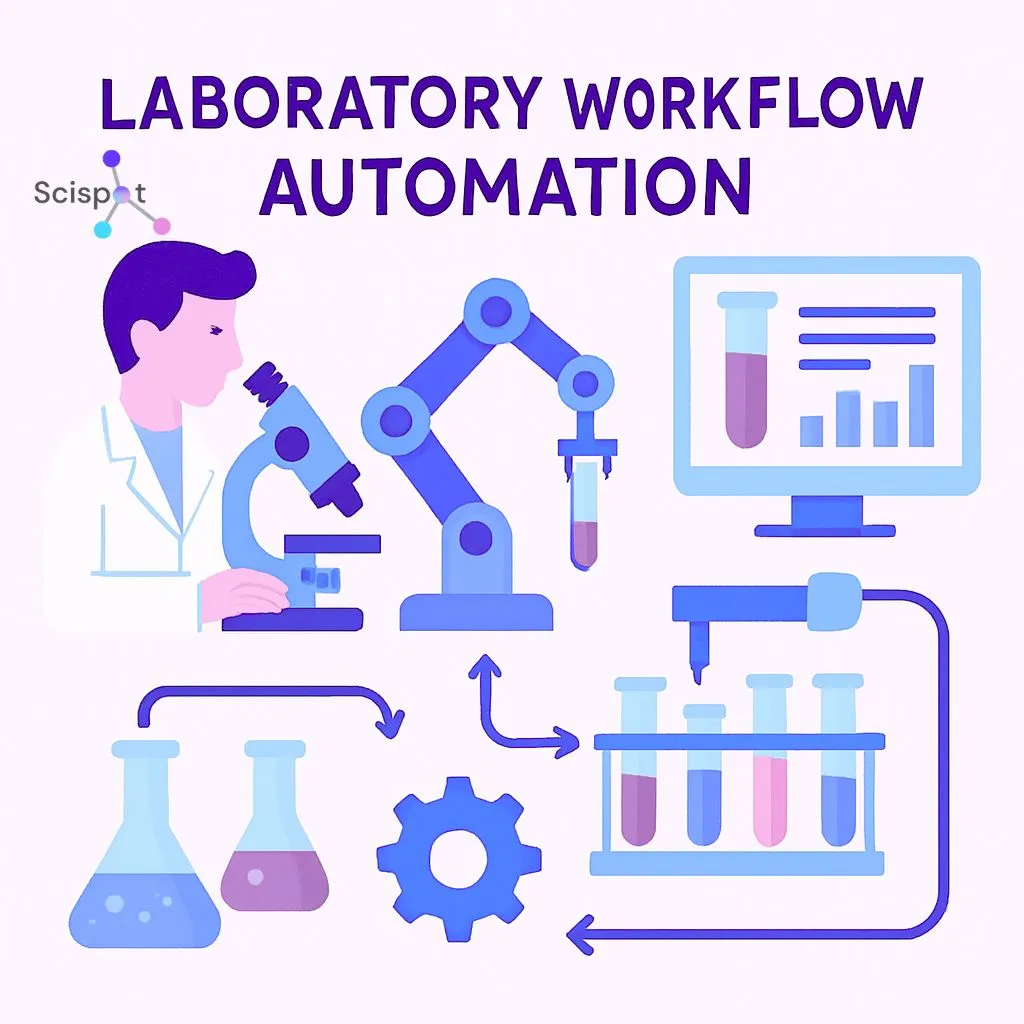
Integration of LIMS with Water Analysis Software
Water analysis often involves instruments and method-driven calculations. Integration matters because it reduces “manual glue work” between sample tracking, instrument runs, QC, and final reports.
A known challenge in many LIMS projects is integration complexity. Labs face compatibility issues, protocol mismatches, and limits from older instruments, which can block smooth data flow if the integration layer is not strong.
Scispot leans into this with GLUE, which is positioned as an integration hub. It is built to connect tools and systems, then land data back into the lab’s structured records with compliance controls in place.
Benefits of Integration
Improved Data Accuracy: Automated transfer cuts re-keying. Fewer manual steps means fewer silent errors.
Faster Turnaround Times: Integrated workflows reduce wait states. Worklists, ingest, checks, and reviews can move as one connected sequence.
Enhanced Data Security: Centralized control improves access discipline. Audit logs and controlled workflows reduce the risk that results are edited or moved without a trace.
Scalability: As labs grow, “more samples” becomes “more complexity.” The LIMS needs to scale workflows and data volume without turning every change into a long re-implementation.
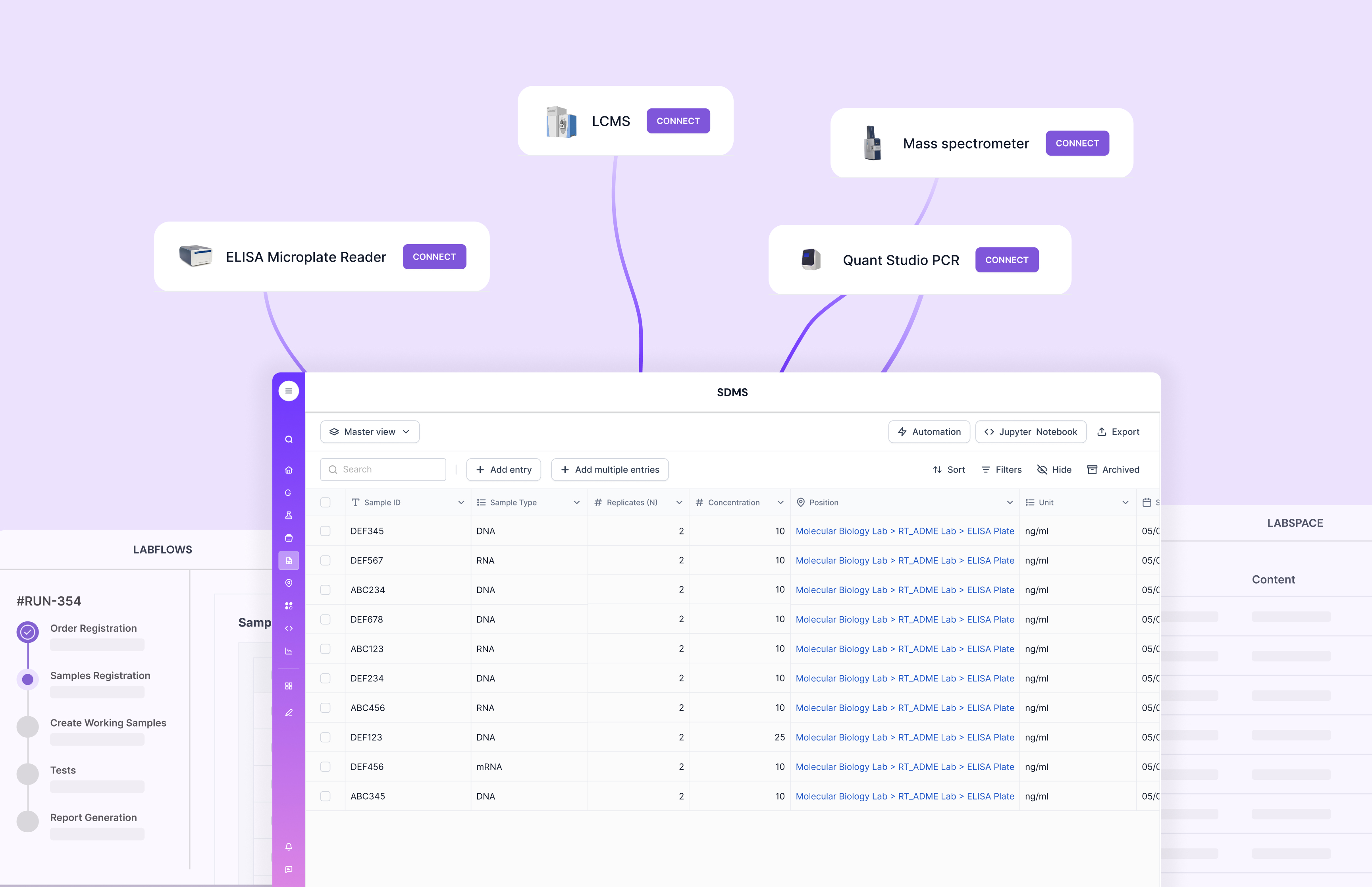
Scispot for Water Testing Labs: From Sample to Report, Fully Connected
If your lab runs water testing at scale, the hard part is rarely “having data.” It is keeping samples, results, and approvals connected end-to-end, especially when instruments, spreadsheets, and water analysis software all touch the same workflow. Scispot is built for that reality. It gives you a single place to register samples, track chain-of-custody, capture results in structured tables, and keep every change audit-ready. That means fewer gaps between “what happened at the bench” and “what got reported.”
Where Scispot stands out is integration and workflow control. Many LIMS tools can store results, but they still leave teams doing manual handoffs, re-keying values, or stitching reports together outside the system. Scispot reduces that friction by supporting repeatable workflows, automated QC checks, and flexible data models that match how water labs actually work (sites, batches, methods, limits, reruns, and approvals). It also connects cleanly with upstream and downstream systems through APIs and integrations, so data can flow from instruments or water analysis software into the same record without copy-paste.
On cost and rollout, Scispot tends to fit labs that want to move fast without signing up for months of heavy customization. You can start with the core sample-to-report workflow, then expand to inventory, equipment logs, and compliance reporting as needs grow. It is like moving from a folder of loose sheets to a bound lab notebook where every page is linked, time-stamped, and easy to find.
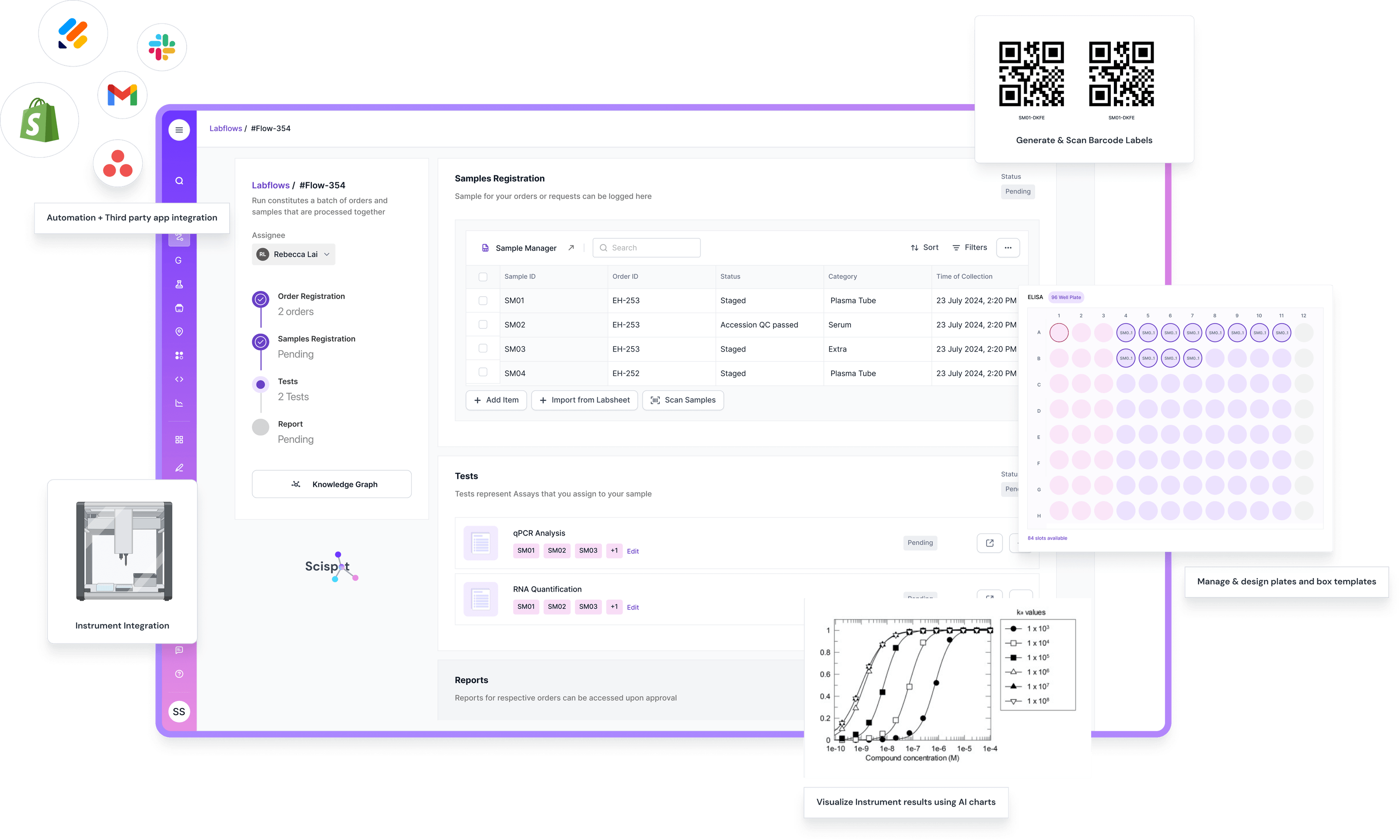
Cost of Laboratory Information Management Systems
LIMS cost depends on scope, integrations, validation needs, and how much custom work the lab needs. The sticker price is rarely the full price.
Many teams get surprised by hidden costs. Data migration, custom reports, and workflow complexity can add cost later, even if the early plan looked simple.
This is also where older, heavier systems can create drag. Implementation programs can face scope creep and budget overruns when requirements expand during rollout.
Factors Influencing LIMS Costs
Licensing Fees: Vendors offer different pricing models. Subscription models can lower upfront spend, while enterprise deals can bundle more modules.
Customization: Deep customization can raise total cost of ownership. It can also slow upgrades, because every change must be re-tested and re-fit.
Training and Support: Training quality affects adoption. Support quality affects speed when something breaks or when workflows need changes.
Public review data can hint at where friction shows up.
Integration Requirements: Instrument and system integration often adds cost. It also adds risk if the integration layer is weak, because the lab falls back to manual exports.
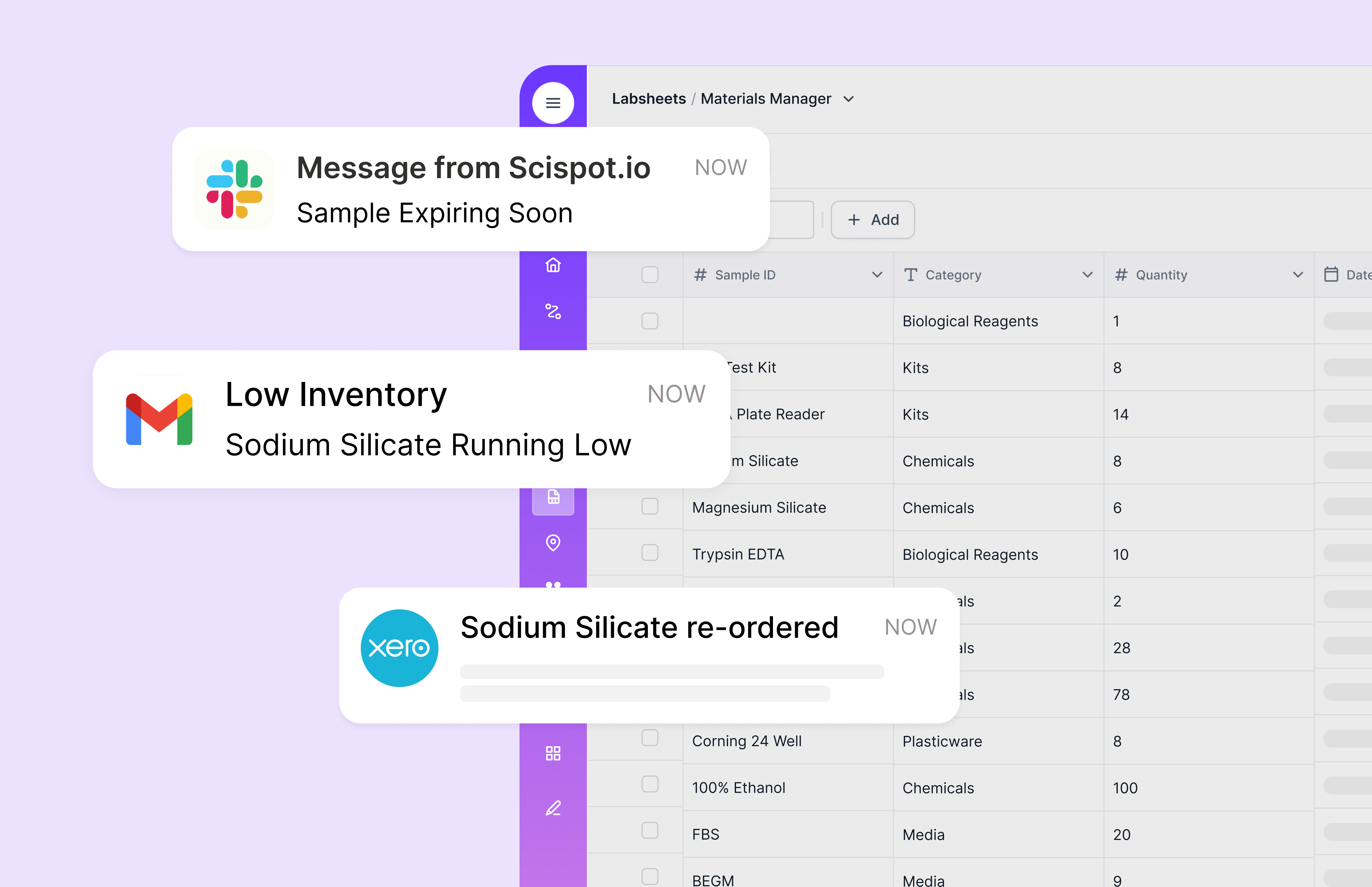
Demonstrations and Demos
A demo should mirror a real water sample journey. Intake, chain of custody, test assignment, instrument data capture, QC checks, review, approval, and reporting should all be shown in one end-to-end story.
This is where Scispot tends to stand out in practice. You can evaluate structured result capture via Labsheets, and you can evaluate integration readiness via GLUE, instead of treating both as “later phases.”
Demos also help you spot “hidden admin tax.” Some platforms look fine until you test bulk edits, method changes, or multi-site workflows.
Assurance of Laboratory Information Management Systems
Assurance means the system does what it claims under real lab pressure. It also means the audit trail and approvals are reliable, complete, and easy to show during inspection.
Many LIMS rollouts fail not because the software is bad, but because the program is under-scoped. Data migration is often underestimated, and change resistance can slow adoption even when the tool is strong.
Scispot’s positioning is helpful here because it treats compliance controls as built-in, not bolt-on. It highlights audit trails, electronic signatures, role-based access, and secure data handling across its stack.
Key Considerations for Assurance
Vendor Reputation: Look for proven deployments in regulated labs. Also look for a vendor that can show real workflows, not just generic screens.
User Reviews and Testimonials: Reviews reveal daily friction. They can also reveal where support gaps show up.
Compliance with Standards: Confirm audit trails, e-signatures, and access controls. Confirm that reporting and review flows match how your lab runs.
A practical lens is to treat LIMS as a “lab utility.” Like power or water, it must be boringly reliable, even when the lab is busy.
The Future of LIMS in India
India’s lab ecosystem is scaling. Water testing needs consistency, defensible reporting, and faster throughput, especially as labs expand sites and services.
Adoption will keep shifting toward systems that are easier to configure and easier to integrate. Industry write-ups keep pointing to the same blockers in legacy-style rollouts: integration complexity, data migration load, and scope creep.
.jpeg)
Market Trends in India
Growing Awareness: Labs are prioritizing traceability and speed. They want fewer spreadsheets and fewer manual handoffs.
Technological Advancements: Cloud delivery and structured data models are raising expectations. “It works” is no longer enough if it is slow to adapt.
Regulatory Requirements: More audits and higher client expectations push labs toward stronger controls. Systems that make audit-readiness routine will be favored.
Conclusion
LIMS are central to modern water analysis workflows. They connect sample tracking, data capture, QC, approvals, and reporting into one traceable process.
Integration is where the biggest gains come from. It reduces manual handoffs and speeds reporting without sacrificing data integrity.
Scispot is a strong choice in this space because it combines LIMS fundamentals with structured results in Labsheets and integration depth through GLUE, while emphasizing audit trails and e-signatures for compliance-heavy workflows. That combination helps water labs run faster, stay consistent, and stay inspection-ready as they scale.