

.webp)
What is the laboratory receiving process in a molecular diagnostics division?
Molecular diagnostics is reshaping healthcare. It brings molecular biology into clinical testing to improve how we diagnose and treat disease. The field is moving fast, with new ways to study genetic signals and manage conditions more precisely.
Molecular diagnostics labs sit at the center of this shift. They help detect genetic disorders and infections using advanced testing methods. These labs handle complex workflows and generate data that directly affects patient care.
Groups like the WSU Molecular Diagnostics Laboratory push this work forward. They focus on research, new tools, and better testing methods. Their work supports both clinical labs and broader scientific progress.
For healthcare teams, staying current matters. These changes affect how tests are run, how results are read, and how decisions are made.

Understanding Laboratory Molecular Diagnostics
Molecular diagnostics combines molecular biology with clinical testing. It looks at DNA, RNA, and proteins to find what is going wrong at a cellular level. The goal is simple: get more accurate answers and improve care.
Labs use a mix of techniques like PCR, microarrays, and next-generation sequencing. Each method helps detect mutations or pathogens in a different way.
This approach helps catch diseases early and supports more precise treatment plans. Instead of relying only on symptoms, clinicians can act on clear molecular signals.
Key elements include:
- Molecular biology methods that study cellular components
- Clinical diagnostics that interpret test results
- Diagnostic tools that detect disease at a molecular level
Molecular diagnostics is used across oncology, infectious diseases, and genetic testing. Its range makes it a core part of modern medicine.
Research keeps pushing this field forward. As tools improve, testing becomes more predictive and more personal.
The Role of Molecular Biology in Clinical Diagnostics
Molecular biology drives much of today’s diagnostic progress. It explains how diseases work at a molecular level and helps labs detect them earlier.
Techniques like PCR let labs amplify tiny amounts of DNA. That makes it easier to detect disease even in early stages. Results come faster and with better accuracy than older methods.
This shift improves how doctors treat patients. Data from molecular tests helps guide therapy choices and adjust treatment plans.
Key contributions include:
- Better detection of pathogens at low levels
- More accurate identification of mutations
- Support for personalized treatment decisions
As methods evolve, molecular biology continues to deepen our understanding of disease.

Key Technologies in Molecular Testing
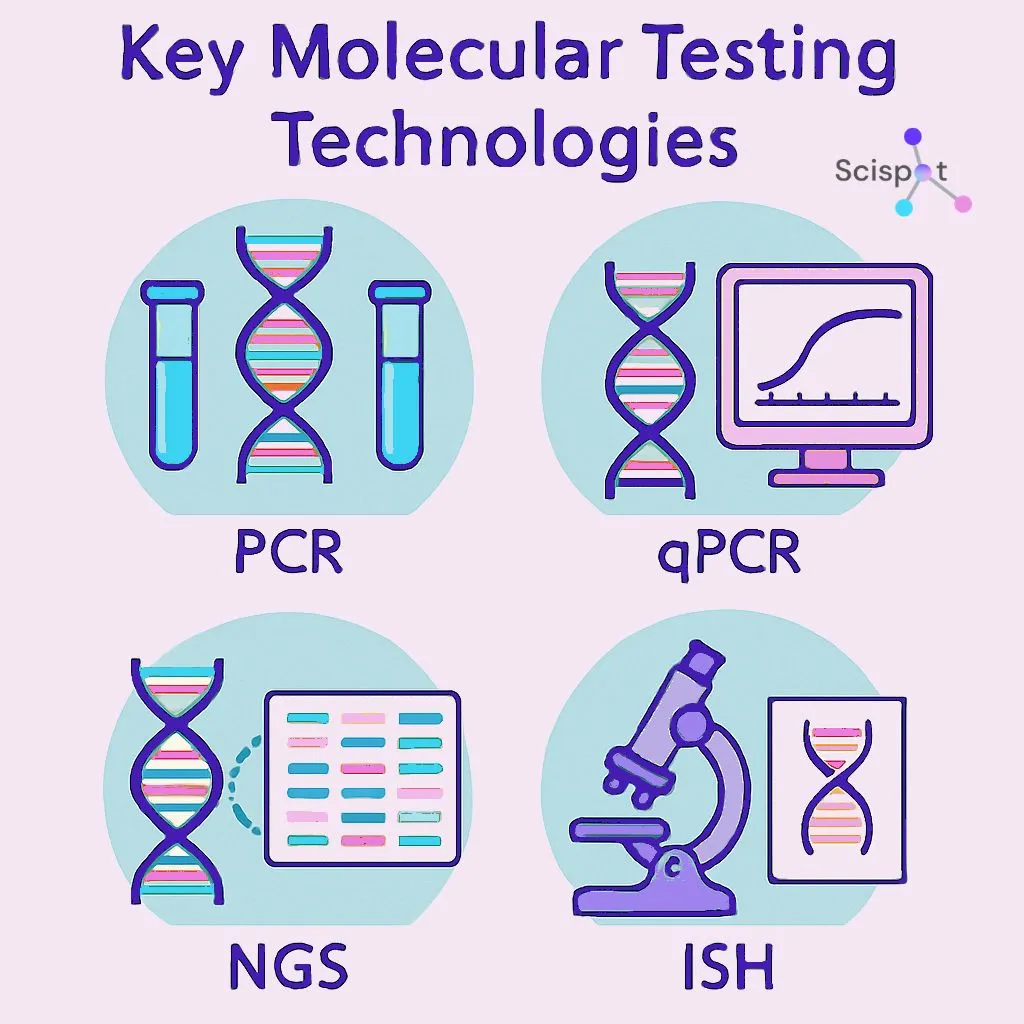
Molecular testing relies on a set of core technologies. Each one solves a different part of the problem. PCR helps detect small amounts of DNA. It is widely used in infection testing and genetic analysis.
Next-generation sequencing (NGS) reads large sections of the genome. It gives a detailed view of mutations and supports personalized care. Microarrays test many genes at once. They help study gene expression and disease patterns.
Other tools include:
- DNA microarrays for gene expression
- CRISPR for targeted genetic work
- MALDI-TOF for fast microbe identification
Together, these tools make testing faster, broader, and more accurate.
Genetic Testing: Unlocking the Code of Life
Genetic testing looks at DNA to find disease risks and inherited conditions. It helps doctors understand what might happen, not just what is happening now. This supports more tailored care. Treatments can match a patient’s genetic profile, which improves outcomes and reduces side effects.
It also helps in areas like prenatal testing and carrier screening.
Key uses include:
- Predicting disease risk
- Identifying carrier status
- Guiding drug selection through pharmacogenomics
There are trade-offs. Privacy and consent need careful handling. As testing grows, these concerns stay important.
Inside the WSU Molecular Diagnostics Laboratory
The WSU Molecular Diagnostics Laboratory focuses on both testing and research. It uses advanced tools to study infections and genetic changes. The lab works on faster and more accurate testing methods. That helps clinicians make decisions sooner.
Main areas include:
- Detecting pathogens
- Sequencing genetic material
- Finding biomarkers linked to disease
Partnerships with other institutions help expand their work. These collaborations keep the lab at the leading edge.
Advancements in Diagnostic Technology
Diagnostic tools have improved a lot in recent years. Labs now deliver results faster and with fewer errors. Automation reduces manual work. Software systems handle large datasets with more consistency.
AI adds another layer. It helps analyze complex data and spot patterns that are hard to see manually.
Key changes include:
- Automated systems that reduce human error
- AI tools that improve analysis
- Point-of-care testing for faster results
These shifts help detect disease earlier and support quicker treatment.
DNA Diagnostics and Personalized Medicine
DNA diagnostics studies genetic material to guide care decisions. It plays a key role in personalized medicine. Instead of using one treatment for everyone, care can match a patient’s genetic profile. This improves effectiveness and lowers side effects.
Benefits include:
- Targeted therapies based on genetics
- Early risk detection
- Preventive care planning
DNA data also helps in drug development. It identifies the right targets and speeds up research.

The Importance of Lab Diagnostics in Modern Healthcare
Lab diagnostics support almost every medical decision. They provide the data needed to detect and manage disease. Accurate testing leads to better treatment plans. Fast results help doctors act sooner.
Core benefits include:
- Early detection of disease
- Reliable diagnosis
- Better treatment guidance
As testing improves, healthcare becomes more precise and efficient.
Challenges and Future Directions in Molecular Diagnostics
There are still barriers. Advanced tools can be expensive. Interpreting genetic data requires expertise. Standardization across labs is another issue. Different processes can lead to inconsistent results.
Ethical concerns also matter. Patient data must stay protected.
Looking ahead:
- Costs need to come down
- AI will play a bigger role in analysis
- Stronger regulations will shape the field
These changes will make testing more accessible and reliable.
The Future of Diagnostic Labs
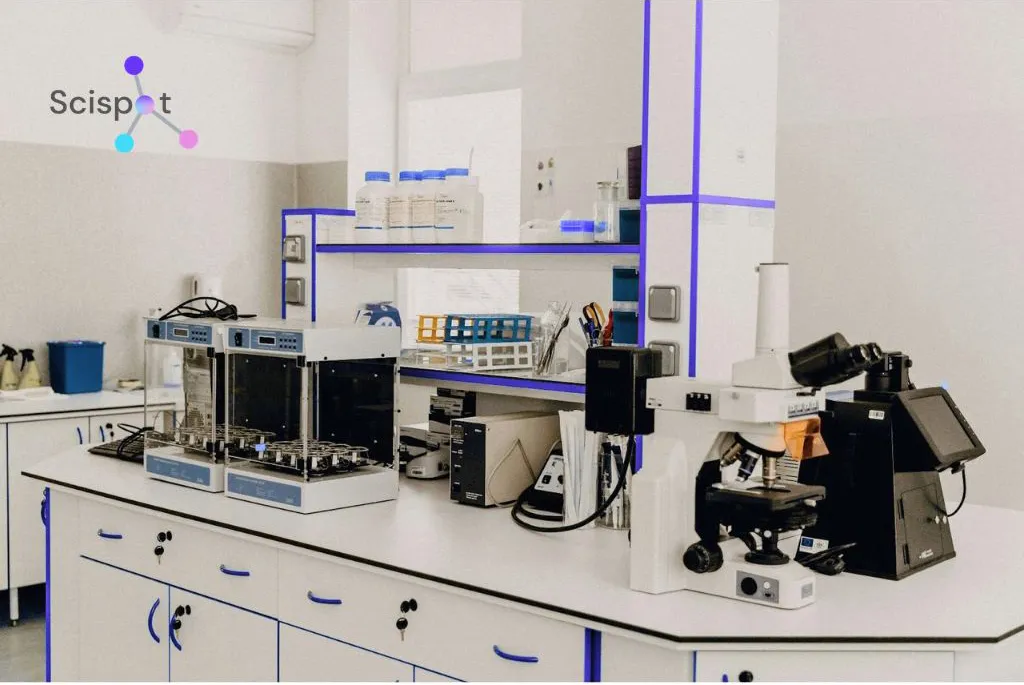
Diagnostic labs will keep evolving. Better tools will lead to more accurate and timely care. Molecular diagnostics will stay central to this shift. It will drive earlier detection and more targeted treatments.
Progress depends on collaboration. Researchers, clinicians, and engineers all play a role. The direction is clear. More data. Better insights. More precise care.