

.webp)
What are the main differences between molecular diagnostics and traditional testing methods?
Have you ever wondered why doctors used to make you wait days to learn what germ was making you sick? In traditional lab testing, scientists often had to grow bacteria in a petri dish before they could identify it with confidence. Today, medicine can often skip that wait.
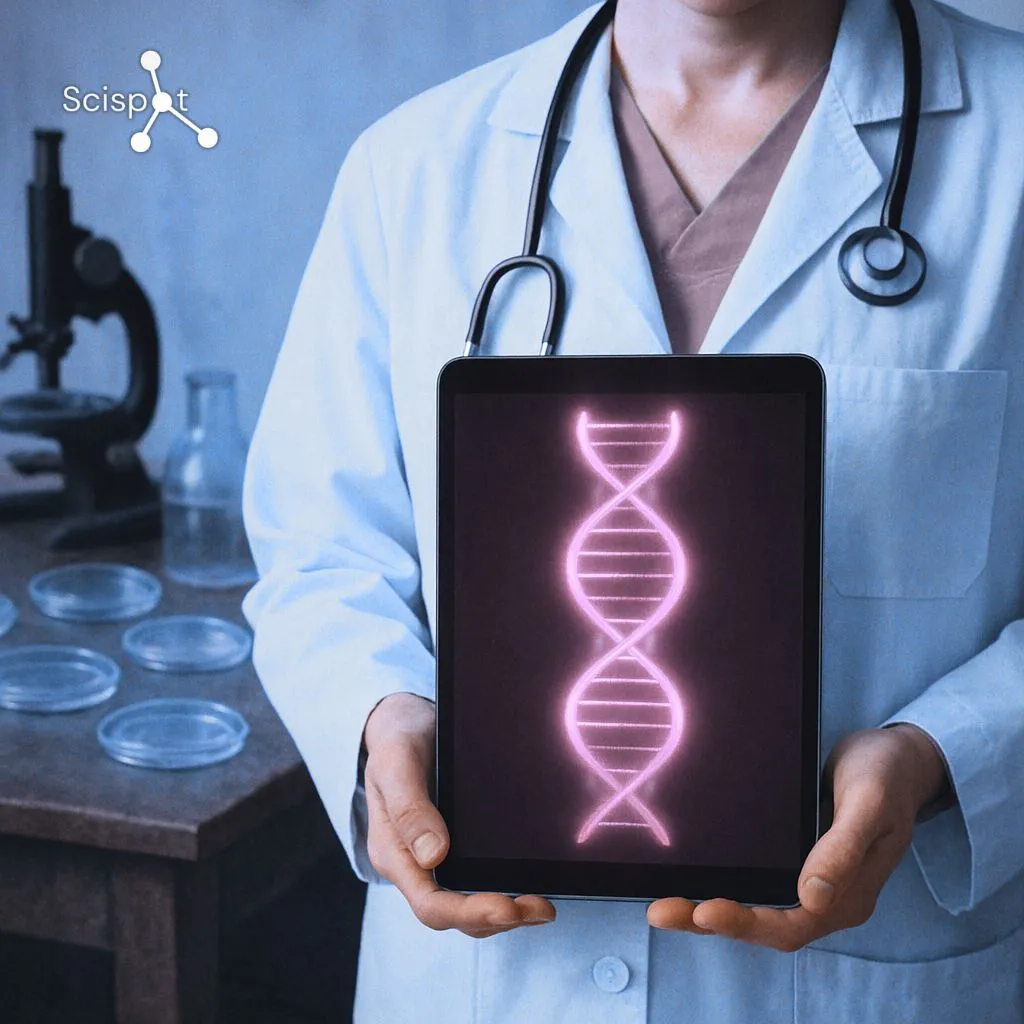
Molecular diagnostics works by reading the germ’s genetic code. Instead of waiting to see what grows in a dish, doctors look for the exact DNA or RNA of a virus or bacteria. That helps them find the cause of illness in hours, not days. It is a more direct way to check what is there.
Current healthcare standards support this shift. Moving from sample growth to genetic analysis can lead to faster treatment and safer decisions. For many illnesses, slow culture methods now play more of a backup role. When doctors can identify the right target early, they are less likely to rely on trial and error before choosing a treatment.
How Traditional Testing Works: Why Waiting for Germs to “Grow” Takes Time
It can be frustrating when doctors start you on a broad treatment while you wait for results. In traditional clinical diagnostics, a sample may be placed in a dish so bacteria can grow. That step takes time, and until it is done, doctors may not know exactly what they are treating.
Growing these microbes usually takes about 48 to 72 hours. The process often includes four steps:
Collection: Taking your sample.
Incubation: Keeping the dish warm for days so bacteria grow into visible colonies.
Visual check: Looking at the germ’s shape and color, which is not always precise.
Susceptibility testing: Applying different medicines to see which ones kill the germ.
This method can slow down treatment and lead to guesswork at first. Comparing traditional culture with genetic testing is a bit like waiting for a plant to grow so you can name it, instead of reading the label on the seed pack. That is why newer methods matter.
The Biological Xerox Machine: How PCR Finds a Needle in a Genetic Haystack
Instead of waiting for germs to grow, doctors can now search for their DNA directly. The hard part is that a sample may contain only a tiny amount of viral or bacterial material. Finding it can feel like trying to spot one typo in a huge library.
PCR solves that problem. Polymerase chain reaction, or PCR, copies a tiny piece of DNA again and again until there is enough to detect clearly. A trace amount becomes millions of copies.
That is why molecular testing can be so sensitive. It can detect infections that standard culture methods may miss, even early on when there is very little material in the sample. Real-time PCR can cut the wait from a few days to just a few hours. Getting the right answer sooner can change what happens next.
.webp)
Precision Medicine: Using Your Body’s Instruction Manual to Pick the Right Drug
A drug that works well for one person may not work the same way for someone else. Part of that difference can come from genetics. Doctors now use biomarkers in personalized healthcare to better understand how a person’s body may respond to treatment. A biomarker is a measurable sign in the body that gives clues about what is happening inside.
This is where precision medicine comes in. It matches treatment more closely to a person’s biology. Your genes can affect how fast you process a drug, how well it works, or whether it causes side effects. Pharmacogenomics studies that connection and helps guide medication choices based on genetic information.
This kind of biomarker analysis can improve care in a few clear ways:
Dosage accuracy: Choosing an amount that fits your metabolism.
Side effect avoidance: Avoiding drugs your biology may not handle well.
Selecting the most effective drug: Choosing a medicine with a better chance of working the first time.
The idea of the right drug, at the right dose, at the right time is much more practical now than it used to be. And this same logic is shaping cancer care too.
Detecting Cancer in a Drop of Blood: The Rise of Liquid Biopsies
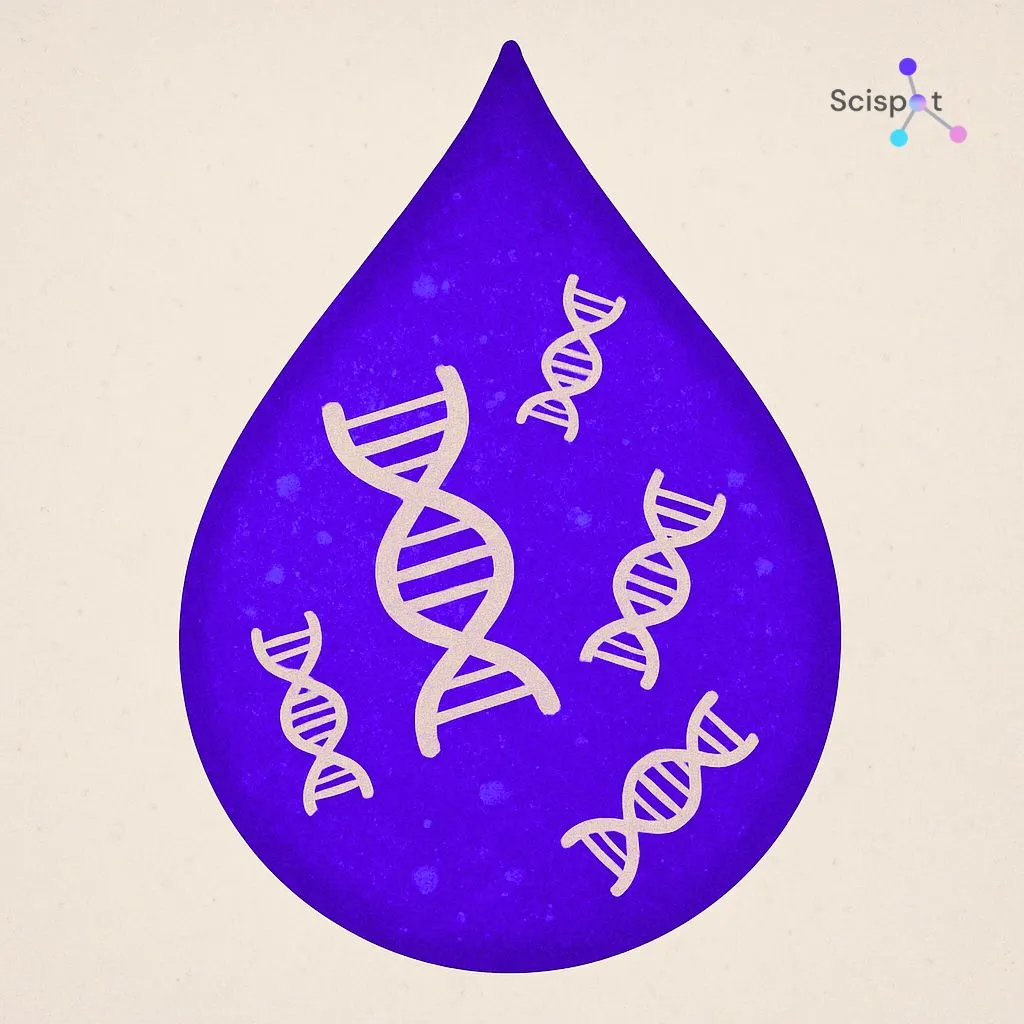
Cancer testing often requires a tissue sample taken through an invasive procedure. But tumors can release small pieces of DNA into the bloodstream. That means doctors can sometimes look for those signals through a simple blood draw. This is known as liquid biopsy cancer screening.
Once the sample reaches the lab, scientists analyze those DNA fragments to find mutations linked to cancer. They often use next-generation sequencing in oncology. This technology reads large amounts of genetic code quickly and looks for the changes that drive tumor growth.
Labs can run many checks at the same time, which makes the process faster and more efficient. This high-throughput approach helps doctors avoid testing one gene at a time when they need answers quickly. The same speed that helps in cancer care can also matter a lot in severe infections.
The High-Speed Pathogen ID: Why Molecular Tests Save Lives in Emergencies
When a severe infection leads to sepsis, every minute counts. Sepsis can cause the body to damage its own organs, and treatment often cannot wait. In the past, doctors had to act before they knew exactly which germ was responsible. Molecular testing makes that guesswork shorter by scanning for the pathogen’s genetic code.
This speed also depends on where the test happens. In point-of-care testing, the test can be done near the patient instead of being sent to a central lab. That can shorten delays even more.
For sepsis, the difference can look like this:
Traditional testing: Up to 48 hours to grow and identify the germ.
Molecular testing: About 1 to 4 hours to detect its genetic code.
Tools such as HTG molecular diagnostics are part of this broader move toward faster and more accessible testing. When doctors can identify the pathogen sooner, they can choose treatment sooner. That helps patients and can also reduce unnecessary antibiotic use.
What to Expect at the Lab: Preparing for Your Molecular Screening
A molecular test often starts with a blood draw or a cheek swab. The preparation depends on what the test is meant to find. An infection test looks for something active in your system right now. A genetic screening test looks for lasting changes in your DNA.
Because genetic tests can reveal information that affects both you and your family, informed consent matters. Your doctor should explain what the test may show and what the results could mean before you go ahead. While DNA-based tests can cost more upfront than basic lab work, they may also reduce the cost of repeat visits, wrong treatments, and long periods of uncertainty.
Getting a clearer answer earlier can save money, time, and stress. It can also help you avoid medicines that do not fit your biology.
Choosing the Right Path: How to Talk to Your Doctor About Molecular Options
You do not always have to rely on trial and error. Learning a bit about molecular diagnostics can help you ask better questions and take a more active role in your care. The next time you need a test or a new prescription, you could ask your doctor:
- Is there a molecular version of this test?
- Could my genetics affect this medicine or its dose?
- Would a molecular test give faster results?
Those questions can help turn testing into something more personal and more useful. When doctors can read what is happening at the molecular level, care can become more precise and less guess-based.