


.webp)
What is a GLP laboratory?
Good Laboratory Practice (GLP) sets the ground rules for how labs run studies. It keeps data clean and work consistent. When labs follow GLP, results hold up under review.
Labs that test drug safety must follow GLP. Regulators expect it. It helps confirm that products are safe before they reach people.
GLP certification signals that a lab meets these standards. It shows the team runs tight processes and keeps solid records. For scientists, it gives a clear way to run studies that others can trust.
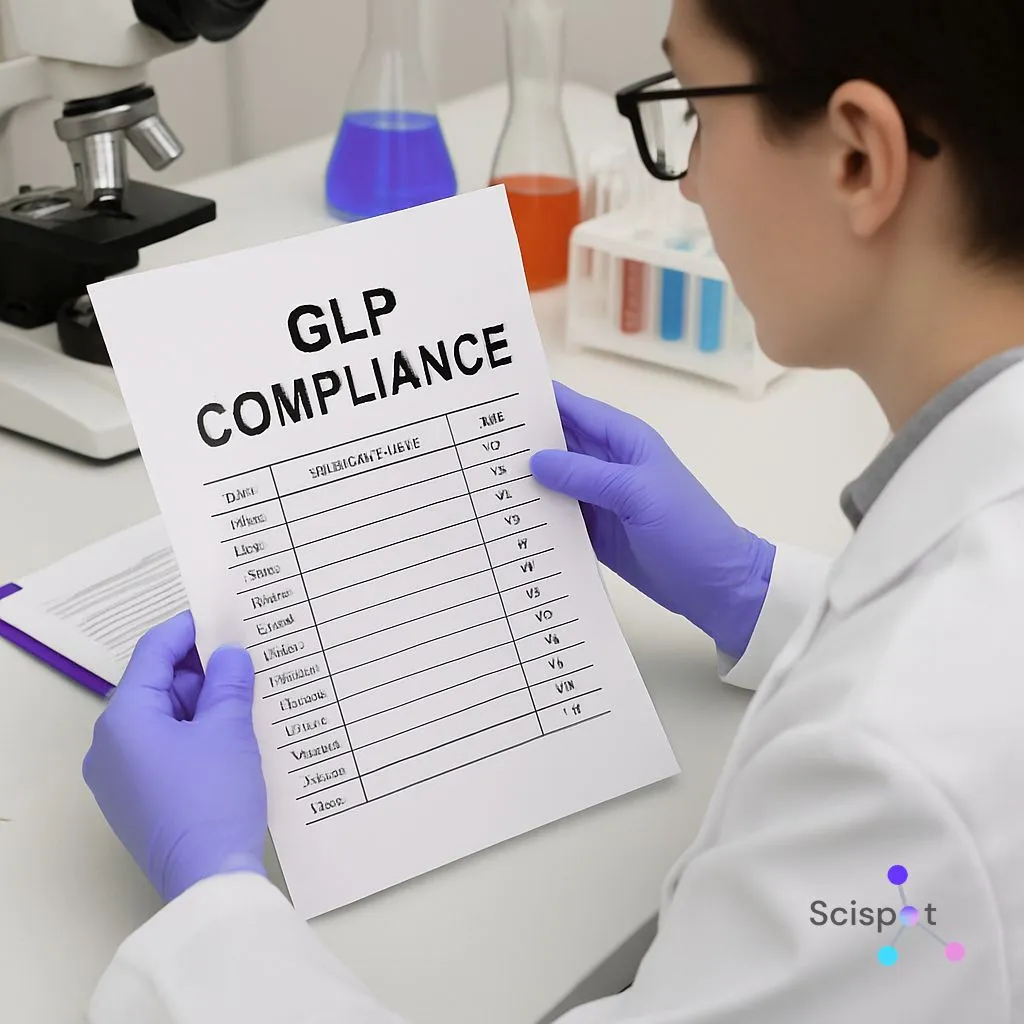
Understanding Good Laboratory Practice
GLP is a framework for how to plan, run, and record lab studies. It focuses on non-clinical work. The goal is simple. Make every step traceable and repeatable.
At its core, GLP is about discipline. You follow set protocols. You document what you do. Anyone should be able to retrace the study and get the same result.
GLP applies across pharma, agrochemicals, and cosmetics. The idea stays the same. Keep data consistent and credible.
Key parts of GLP:
- Clear study protocols
- Detailed records
- Regular staff training
GLP also protects people. Reliable testing leads to safer products. It brings transparency to research and builds trust.
It also cuts down fraud and sloppy work. When everything is logged, it is harder to hide mistakes. That creates accountability inside the lab.
How GLP started and evolved
GLP took shape in the 1970s after cases of bad science and fake data. There was little oversight before that. Results could not always be trusted.
Regulators stepped in. The U.S. set early rules. Other countries followed. Over time, these rules aligned into a global standard.
Key moments:
- FDA GLP rules in 1978
- OECD principles in the 1980s
- Ongoing updates as tech improves
Today, GLP is used worldwide. It keeps pace with new tools and methods. The goal stays the same. Make lab work reliable and honest.
Key GLP guidelines and principles
GLP covers how labs operate end to end. It sets standards for processes, people, and data.
Documentation sits at the center. Every step must be recorded. That makes work transparent and easy to audit.
Labs also need a clear structure. Roles and duties must be defined so nothing slips.
Core guidelines:
- Defined study plans
- Strong record-keeping
- Quality control systems
People matter too. Staff need training and regular checks. Equipment must be maintained and calibrated so results stay accurate.
Core principles:
- Independent quality assurance unit
- Proper data handling and storage
- Ethics in research
These rules change as science moves forward. They adapt to new tools while keeping the same core idea. Protect data integrity.

GLP regulations around the world
Global bodies like the OECD, FDA, and EMA set the baseline. Regions adapt rules to local laws, but the core stays aligned.
This shared framework helps labs work together across borders. It also makes results easier to compare.
Regular audits keep labs on track. The focus stays on consistency and accuracy.
Quality assurance in GLP labs
Quality assurance keeps everything in check. It makes sure labs follow their own rules.
A Quality Assurance Unit reviews studies and flags issues. It acts like an internal auditor.
Core components:
- Regular audits
- Clean records
- Ongoing training
This system builds trust. It also pushes labs to keep improving.

Essential protocols for GLP compliance
Protocols guide daily work. They define how each task should run.
Each process needs clear instructions. That includes steps, safety rules, and expected outputs.
Key elements:
- Equipment calibration
- Staff training
- SOPs
Labs also need plans for edge cases.
Other considerations:
- Emergency response
- Waste handling
- Inventory control
Strong protocols reduce risk and keep work consistent.

Scispot as a digital backbone for GLP
Modern GLP labs rely on software to keep things tight. Tools like Scispot bring ELN, LIMS, and workflows into one place.
That cuts manual work. It logs each step automatically. Every action gets tracked, versioned, and ready for audit.
It also helps teams run protocols in a structured way. Data gets captured in real time. Built-in checks reduce errors.
Audits get easier too. All data sits in one place with a full trail. Think of it like moving from scattered notebooks to a control panel where everything is visible and traceable.
GLP certification: process and benefits
GLP certification involves an external review. Auditors check systems, records, and workflows.
Labs must prove that data is accurate and well managed.
Benefits:
- Higher credibility
- Easier global compliance
- More collaboration chances
It also helps win trust from clients and regulators.
Achieving and maintaining compliance
Compliance is not a one-time task. Labs need systems that hold up every day.
Start with:
- Full documentation
- Staff training
- Equipment upkeep
Then maintain it with audits and oversight. A quality unit should monitor work and catch issues early.
To sustain compliance:
- Run regular training
- Gather feedback
- Update protocols
This keeps the lab reliable and audit-ready.
Challenges and best practices
GLP brings overhead. Documentation takes time. Resources can stretch thin.
The fix lies in planning and discipline. Train people well. Use systems that reduce manual work.
Best practices:
- Strong data systems
- Open team communication
- Regular process reviews
These steps help labs stay compliant without slowing down.
The future of GLP
GLP keeps evolving with tech. Automation and data tools make work faster and cleaner.
Trends to watch:
- AI in data analysis
- Better digital records
- Focus on sustainability
These changes improve accuracy and speed. Labs that adopt them will stay competitive.
%20Comprehensive%20Guide.avif)
.webp)