


.webp)
What Is File DNA?
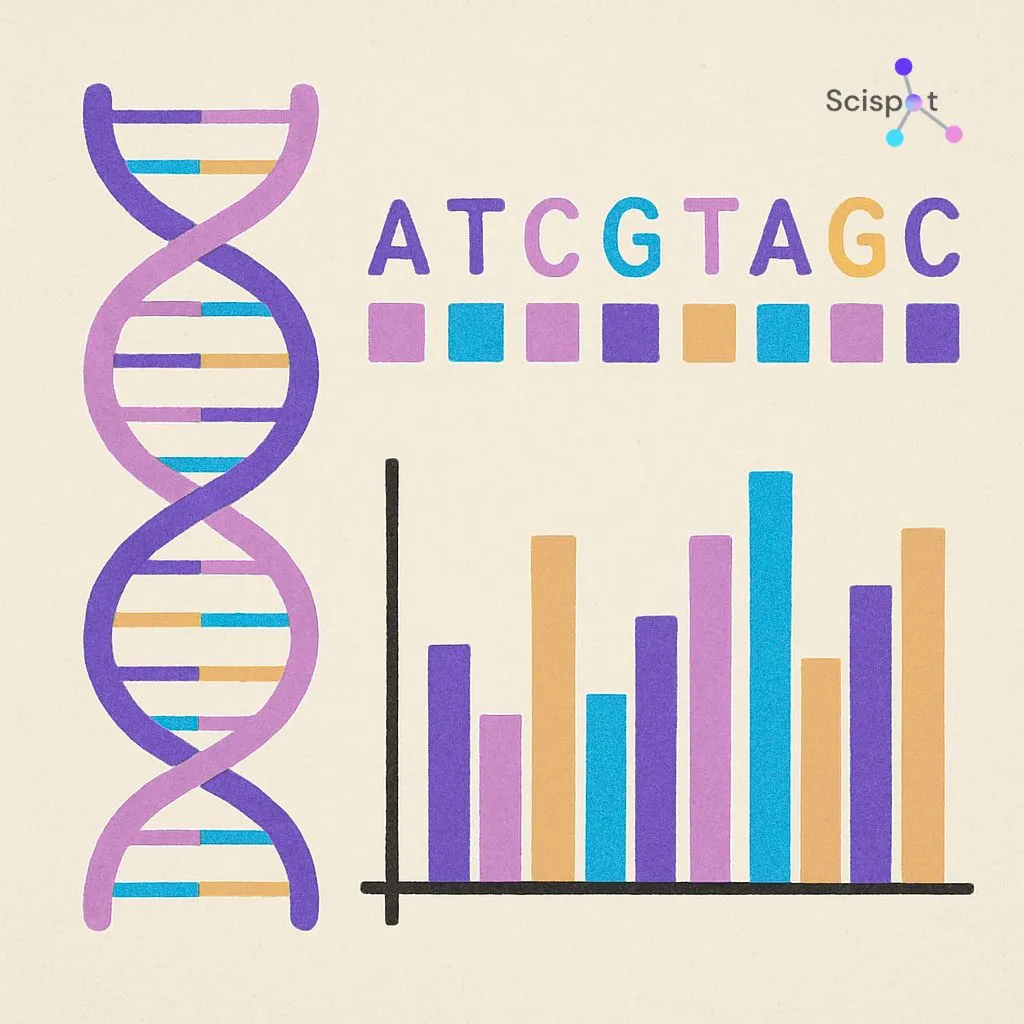
DNA file analysis is the process of reading raw genetic data and turning it into useful insight. It can help reveal ancestry, health clues, and inherited traits.
As DNA technology has improved, this kind of analysis has become easier to access. Services like Ancestry can provide raw DNA files that people can explore further.
A range of tools can help decode that data. Some focus on ancestry. Others look at health risks or inherited traits.
To analyze DNA files well, it helps to understand how those files are structured and stored. That makes it easier to choose the right tools and make better decisions about health and family history. As the field grows, new methods and tools keep improving what we can learn from genetic data.

Understanding DNA File Analysis
DNA file analysis means reading raw genetic data to pull out useful information. That usually includes looking at DNA sequences to find genes, mutations, and variants. Those findings can be useful for both personal use and scientific work.
DNA files can tell you more about your ancestry and genetic background. They may help trace family roots, identify ethnic origins, and suggest how ancestors moved across regions over time.
They can also offer health insight. By looking at certain genetic markers, people may learn about possible inherited conditions or disease risk. That can help support better health choices.
To do this well, you need to understand the file format. Common formats include FASTA and BAM, and each one calls for different software. Picking the right format and tool matters if you want clear, accurate results.
Key parts of DNA file analysis include:
- Gene identification: finding specific genetic sequences
- Mutation detection: spotting DNA changes that may affect health
- Ancestry tracing: mapping lineage and ethnic background
- Health risk assessment: reviewing possible disease susceptibility
DNA file analysis gives people a way to connect personal history with genetic science.
Types of DNA Files and Their Formats
DNA data comes in several file formats, and each one serves a different purpose. The right format depends on the kind of analysis you want to run.
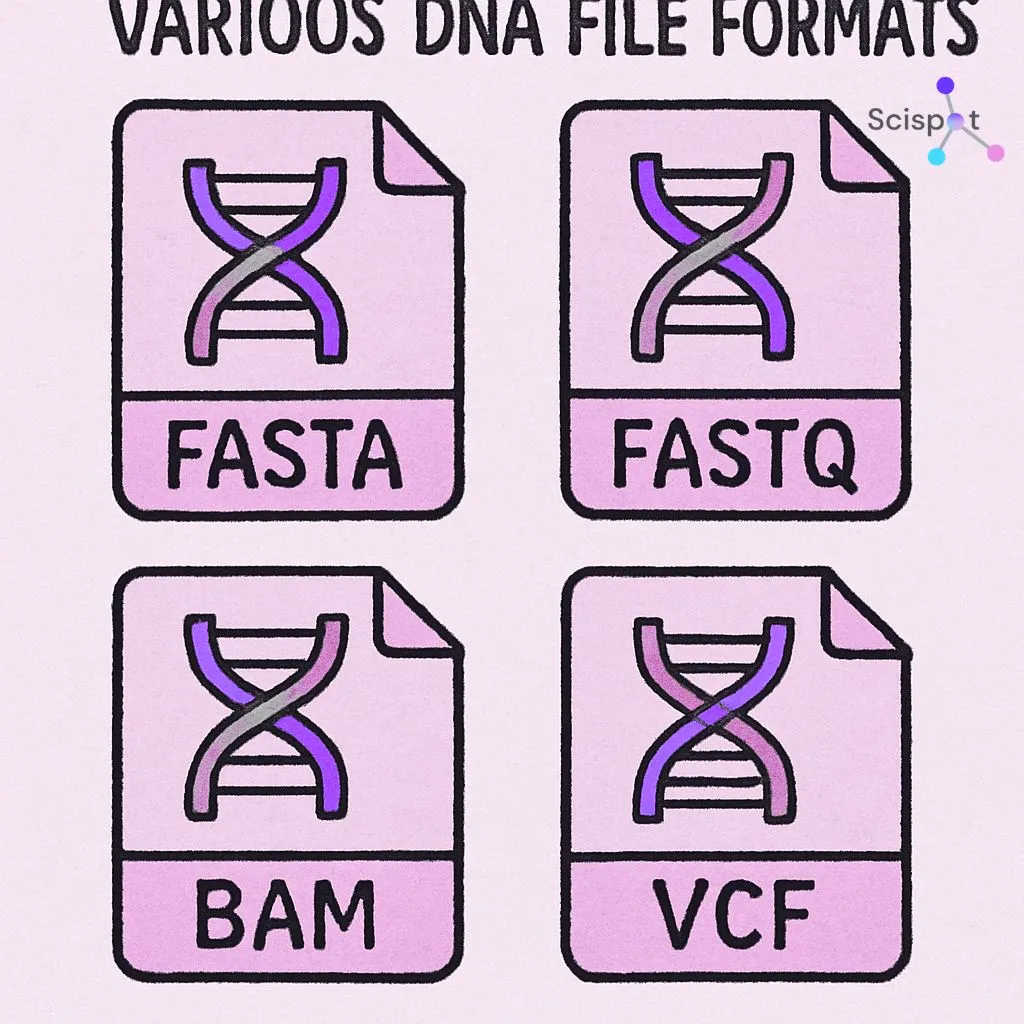
Some of the most common DNA file types are FASTQ, BAM, and VCF. FASTQ files contain raw sequencing reads and are often used at the start of analysis. BAM files store aligned sequence data and help show how reads map to a reference genome.
VCF files focus on genetic variants. They list differences in DNA sequences and are often used to study mutations or traits that may affect health.
Common DNA file formats include:
- FASTA: stores DNA sequences in plain text
- BAM: stores aligned sequences in binary format
- VCF: lists genetic variants and related details
- FASTQ: stores raw reads with quality scores
Choosing the right format affects how deep and how accurate your analysis can be.
Sanger Analysis of Raw DNA Files
Sanger analysis is a long-standing DNA sequencing method known for its high accuracy. It is often treated as a gold standard, especially when you need to examine a specific DNA region closely.
Sanger sequencing reads raw DNA data to determine the order of nucleotides. That makes it useful for confirming mutations with precision. Some ancestry services also use it to validate raw DNA data and improve confidence in the results.
To run a Sanger analysis well, it helps to understand both the input and the output. The output usually shows the sequence in detail, along with any unusual findings.
Typical steps in Sanger analysis include:
- DNA extraction: isolate the DNA sample
- Amplification: use PCR to copy the target region
- Sequencing: read the nucleotide order with Sanger sequencing
- Analysis: compare the result with a reference sequence to find differences
Because it is precise and reliable, Sanger analysis is widely used in clinical diagnostics and confirmatory testing.
Analyzing DNA Files From Ancestry Services
DNA files from ancestry services can reveal a lot about family history. Services like Ancestry and 23andMe often let users download raw DNA files for further analysis.
These files contain genetic data that can be used to explore ancestry, inherited traits, and some health-related patterns. Specialized tools can process the data and show possible family links, ancestry regions, and health clues.
A common next step is uploading the raw file to a platform that supports extra analysis. Many of these tools are built for regular users, so the process is often simple even for beginners.
Common features include:
- Ancestry exploration: trace lineage and geographic roots
- Health insights: review possible genetic predispositions
- Trait analysis: learn about inherited physical traits
- Family connections: identify possible relatives through shared DNA
These tools can help people understand their family story in more depth and sometimes uncover links they did not know existed.
Essential DNA Analysis Tools and Software
There are many DNA analysis tools available, and each one is built for a different use case. Some focus on ancestry. Others focus on health reports or family matching.
Some platforms go deeper into the data and use advanced bioinformatics methods to produce more detailed reports. Many also include charts or visual summaries to make complex results easier to understand.
Common DNA analysis tools include:
- GEDmatch: known for detailed ancestry and ethnicity analysis
- Promethease: offers health reports based on DNA data
- FamilyTreeDNA: focuses on genealogy and family connections
For many users, ease of use matters as much as technical depth. Good software should make complex data easier to read, not harder.
Useful features to look for include:
- Data visualization: charts or graphics that explain results
- Comprehensive reporting: ancestry and health findings in one place
- Cross-platform compatibility: support for files from different services
Privacy and security matter too. Genetic data is sensitive, so it is worth choosing tools with strong protections and clear data policies.
.jpg.webp)
Genetic Data Analysis: What You Can Discover
Genetic data analysis can uncover a wide range of information from your DNA. It can point to inherited traits, possible health risks, and ancestral origins.
One major use is health insight. Analysis may show genetic markers linked to certain conditions, which can help guide health decisions and lifestyle choices.
DNA analysis can also reveal:
- Health risks: markers tied to certain diseases
- Ancestral insights: ethnic roots and migration history
- Physical traits: inherited features such as eye color
Another benefit is finding family connections. DNA matching can link you to relatives you did not know about and help expand your family tree. As genetic science improves, these insights continue to become more detailed.
Why Scispot Fits Modern DNA File Analysis
For labs and genomics teams working with DNA files at scale, Scispot gives them one place to manage raw files, sample metadata, workflows, analysis records, and reporting.
Instead of spreading FASTQ, BAM, VCF, and result files across folders, spreadsheets, and disconnected tools, teams can organize data in a structured system, trace every file and sample back to its source, automate repeatable steps, and maintain a clear audit trail.
That matters in DNA work, where one wrong file version or one broken data link can slow analysis or create risk. With configurable workflows, integrations, and AI-powered search across lab data, Scispot helps teams move from fragmented file handling to a setup that is more reliable, searchable, and easier to scale.
Structure Analysis and Migration Insights From DNA Files
DNA files can also reveal structural details in your genetic code. This type of analysis can show variants and possible mutations, which may be useful in both health and ancestry research.
Another area is migration analysis. By comparing genetic patterns across populations, these tools can suggest how your ancestors may have moved across regions over time.
This kind of analysis can uncover:
- Genetic variations: small changes in DNA sequences
- Mutations: changes that may relate to health
- Migration paths: likely ancestral movement across regions
This adds context to your genetic background. It is not just data on a screen. It is part of a larger human story that connects family history with population history.

Privacy, Security, and Ethical Considerations
Privacy matters in DNA file analysis because genetic data is deeply personal. Before using any service, it helps to understand how your data will be stored, shared, and used.
Security matters too. Choose platforms with strong encryption and clear privacy policies so your information is better protected from unauthorized access.
There are ethical issues as well. Genetic data can be misused, so it is worth thinking through the tradeoffs before sharing it with third parties.
A few things to keep in mind:
- Informed consent: know exactly what you are agreeing to
- Data sharing: understand who can access your data
- Genetic discrimination: be aware of possible bias or misuse
The more informed you are, the better you can protect your genetic information.
Best Practices for DNA File Analysis
DNA file analysis can get complex fast, so it helps to start with tools that fit your needs. Before choosing one, look at its accuracy, reputation, and user feedback.
Make sure the software works with your file types and data sources. Good format support can save time and reduce errors. Testing a few tools can help you see which one works best for your workflow.
It also helps to keep software updated. Updates often improve accuracy, expand features, and fix security issues.
A few best practices:
- Tool verification: check the tool’s credibility
- Data compatibility: confirm support for your file format
- Software updates: keep tools current
These steps make it easier to get accurate, useful results from your DNA data.
.jpg.webp)
Conclusion: Empowering Your Genetic Journey
DNA file analysis can be both practical and personal. It helps people better understand their ancestry, health, and inherited traits through the data stored in their DNA files.
The right tools can improve both accuracy and depth, but the results still need thoughtful interpretation. For more complex findings, expert guidance can help.
At its best, DNA file analysis gives people clearer information about their health, lifestyle choices, and family connections. It is a way to combine personal discovery with modern science.


%20Comprehensive%20Guide.avif)
.webp)