

%20(1).webp)
How can I ensure the integrity of clinical samples during a trial?
A clinical sample can be collected perfectly and still lose value before it reaches the lab. Each blood draw captures a fragile snapshot of a patient’s health at one moment in time. That snapshot can change fast if the sample is not handled well.
Protecting sample integrity is a race against time. The first hour after collection is often the most sensitive. A delay, poor handling, or the wrong temperature can start to break the sample down. That is why transport and handoff matter so much. If a vial is left too warm for too long, the biological signals inside can blur or degrade.
These vials carry the data researchers need to judge safety and efficacy. If we want reliable trial results and safe medicines, samples need to reach the lab in the same state they were in at collection. That is the foundation of clinical trial quality.

Why a “Perfect” Sample Can Break Down Without Proper Care
Biological samples are highly sensitive to heat and time. Once a sample leaves the body, the clock starts.
Scientists work to prevent analyte degradation, which means the breakdown of the biological markers they need to measure. An analyte is simply the substance or signal being tested. If the sample gets too warm, those markers can change or fall apart. When that happens, the sample no longer reflects the patient’s real condition at collection.
Everything that happens before the sample reaches the lab falls under pre-analytical handling. These steps have a major effect on data quality. A delayed courier, poor storage, or even a warm room can damage a sample and weaken the study data. To avoid that, clinics follow strict specimen stability practices to preserve the sample’s condition.
This only works with a solid logistics plan. Every tube has to be treated like sensitive material, with continuous temperature control from collection through testing.
The Cold Chain from Clinic to Lab
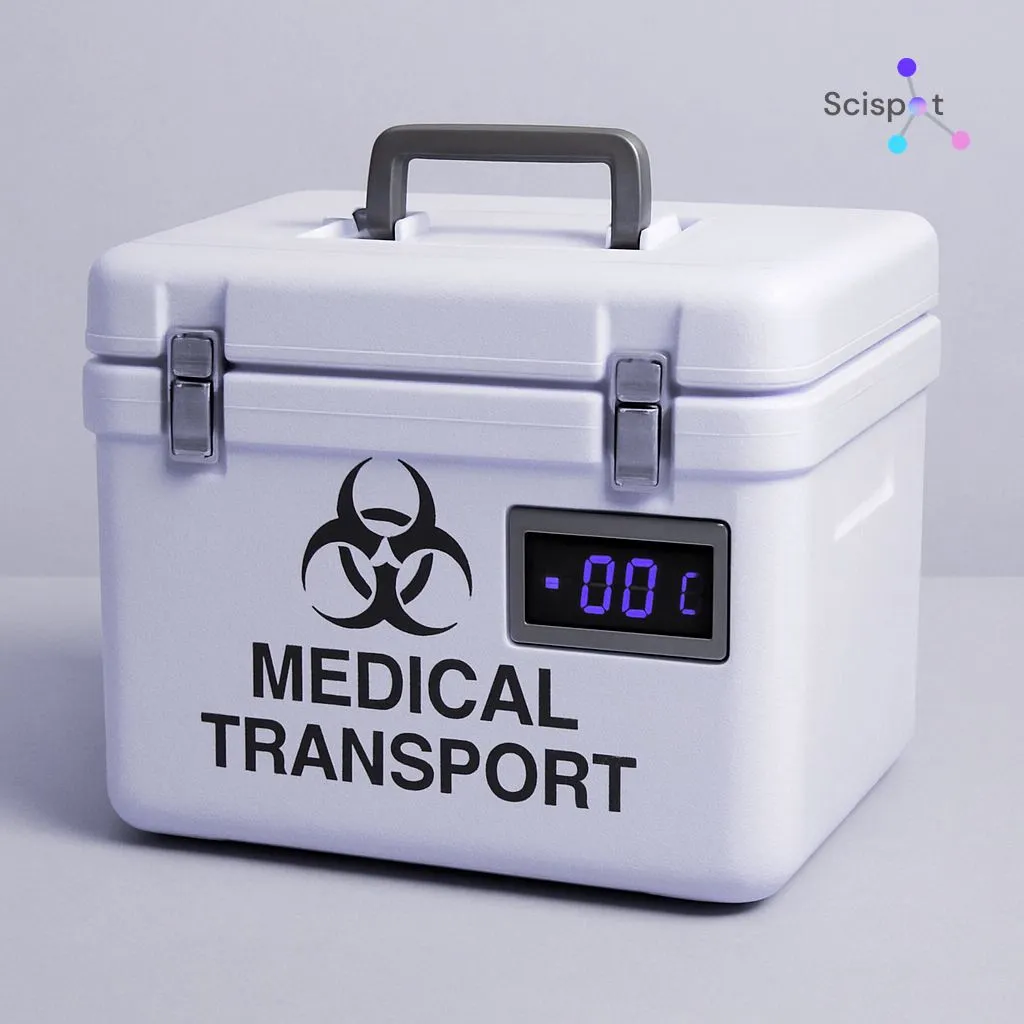
Moving a clinical sample is not routine shipping. It is a tightly controlled process. In many cases, once collected, a sample must be frozen quickly and kept at very low temperatures, often around minus 80 degrees Celsius, until it reaches the testing lab.
That process depends on three main points of control.
The collection site freezes the sample as soon as required to preserve its condition.
The courier places it in insulated shipping containers, often with dry ice, to keep temperatures stable in transit.
The lab stores it in a research-grade freezer built for long-term protection.
Delays can happen, but temperature control cannot fail. Teams use real-time shipment monitoring to track containers during transit. If the temperature rises outside the allowed range, even briefly, that becomes a temperature excursion and needs to be flagged right away. Preventing these excursions is one of the main ways researchers protect biological samples during transport.
But temperature alone is not enough. Teams also need a complete record of who handled each sample at every step.
Who Touched My Sample? Mastering the Digital Fingerprint
In clinical research, a sample mix-up can compromise an entire study. Teams need to know exactly who handled each vial and when. That record is the chain of custody. It proves the sample was not swapped, lost, or tampered with.
This used to rely on paper logs, signatures, and manual records. That created room for missed steps and human error. One missing signature or one unclear entry could make a sample unusable.
Modern labs reduce that risk with digital tracking. Barcode-based systems create a clear record for each handoff. That record follows the sample through collection, storage, shipment, testing, and review. It gives teams a reliable way to manage the full biospecimen lifecycle and tie each sample back to the right patient and protocol.
Tracking handoffs protects identity and accountability. But teams also need to protect the sample itself from contamination once it is handled and processed.

Scispot for End-to-End Clinical Trial Sample Tracking
Scispot gives clinical trial teams one digital system to manage samples with full traceability, speed, and control. From collection and accessioning to storage, shipment, testing, and final review, Scispot helps teams track every sample through barcode-based workflows, chain of custody logs, temperature-linked records, and role-based access. It reduces the risk of manual errors, missing handoffs, and fragmented data across sites, labs, and sponsors. With Scispot, teams can connect patient, sample, shipment, and result data in one place, support compliance-ready processes, and make faster decisions with a clear view of sample status at every stage of the trial.
Keeping the Clues Clean: Preventing Contamination Risks
A sample can also lose value if outside material gets into it. Exposure to room air, poor handling, or the wrong equipment can introduce contamination that affects results.
To prevent that, labs rely on strict standard operating procedures. These procedures define how samples should be collected, handled, sealed, stored, and moved. Consistency matters. When every person follows the same process, the risk of contamination drops.
This becomes even more important for long-term storage. Facilities that keep samples for extended periods must meet GCP-compliant biorepository requirements. Access is controlled. Storage conditions are monitored. Only authorized staff can handle the materials.
Keeping samples clean is part of protecting the study itself. Still, even when handling and storage are strong, teams need to confirm a sample is still fit for testing before they move forward.
How Scientists Prove a Sample is Still Good Before Testing
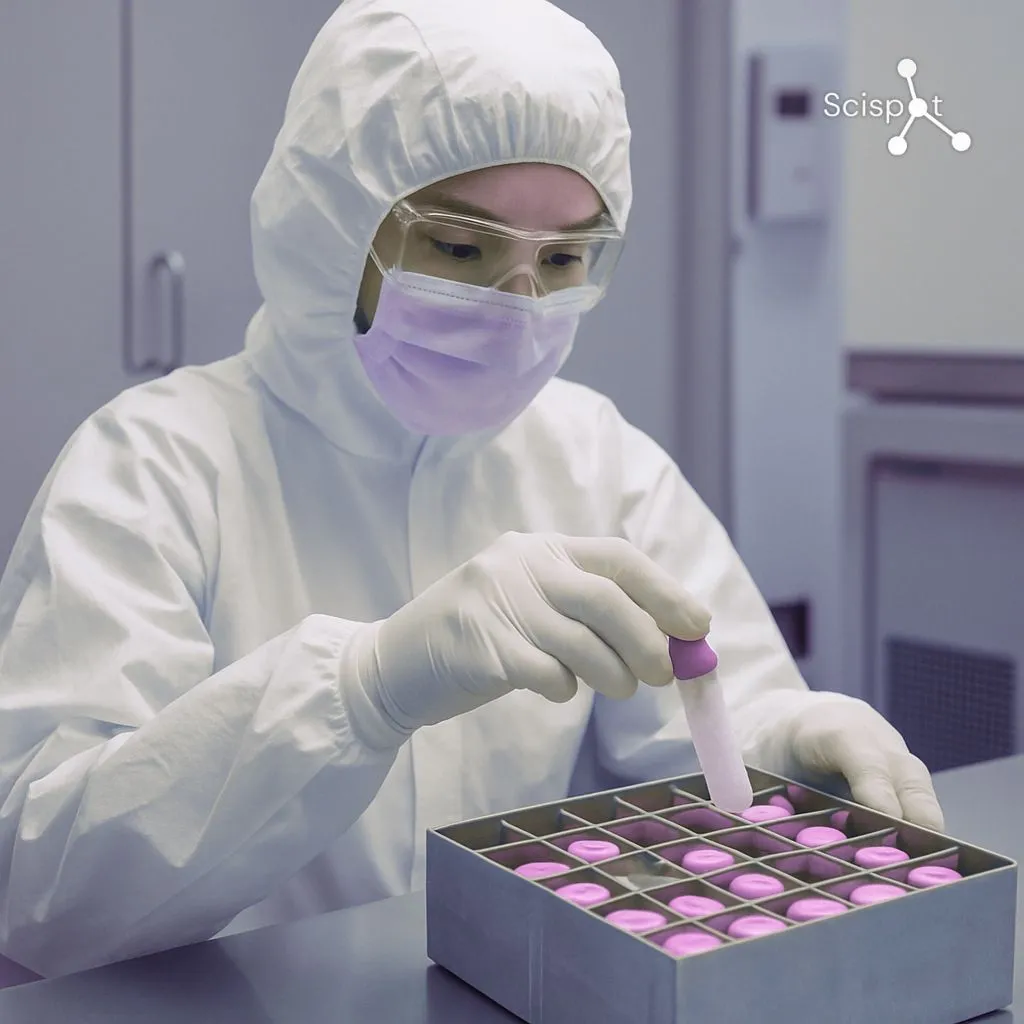
Before testing begins, labs check whether a sample is still usable. If a damaged sample enters the testing phase, it can create false or misleading data. That can affect study outcomes and, in the worst cases, influence decisions about patient safety.
To reduce that risk, labs review the full history of each vial. Tracking systems help them run data integrity checks and confirm that the sample stayed within acceptable conditions from collection to analysis.
Most teams verify four things before testing:
They review the temperature log to confirm conditions stayed within range.
They confirm the sample ID matches the correct patient and study record.
They inspect the vial and seal for leaks or damage.
They check transit and storage times to make sure handling stayed within protocol limits.

These checks help confirm the sample still reflects the patient’s original condition. That protects data quality and respects the time and trust participants give to the study.
Turning Your Contribution into a Cure: The Future of Sample Integrity
A blood draw may look simple, but it starts a highly controlled process. From collection to testing, sample integrity depends on timing, temperature control, clean handling, and clear tracking.
Protecting these samples is not just a technical task. It is part of protecting the reliability of the trial and the trust behind it. When researchers manage samples well, they improve the odds that test results are accurate and decisions about new medicines are based on sound data.
That work depends on three things: strong sample collection protocols, an unbroken cold chain, and centralized sample management that gives teams visibility at every step.
When those pieces are in place, researchers can protect each sample and preserve the data it carries. That is how clinical trials produce results people can trust.