

.webp)
What are clinical laboratory services and diagnostics?
Rolling up your sleeve for a routine blood draw feels familiar. You watch your sample leave the room, but you rarely see the lab work that happens after that. In practice, that small vial helps create a detailed, hidden picture of what is going on inside your body.
According to established healthcare data, up to 70 percent of medical decisions rely on lab results. Your doctor may deliver the news, but the professionals behind clinical laboratory services provide the evidence that guides your treatment. They are essential partners in your care, even if you never see them.
Diagnostic lab services help explain what happens after your sample disappears behind clinic doors. Skilled technicians evaluate your health behind the scenes. Once you understand how that team works, lab work feels less mysterious and a lot more valuable.

Mastering Your Blood Draw: 3 Preparation Steps That Prevent Retesting
Knowing how to prepare for a blood draw can make the whole thing easier. Start with water. Good hydration makes veins easier to see and reach. That helps phlebotomists, the people trained to draw blood, find a vein more easily and avoid multiple needle sticks.
Following your doctor’s instructions also helps you avoid retesting. If you eat before a fasting test, short-term rises in fats and sugars can affect the result like static on a radio. Accurate lab testing depends on clean baseline data. A simple checklist can help:
- Hydrate: Drink plenty of plain water beforehand.
- Fast: Have no food or calorie-rich drinks if your doctor asks.
- Time medications: Ask whether morning pills should wait until after the draw.
Good preparation helps make sure your sample is in good shape before it even leaves your arm. Once that part is done, the next step is choosing the right place for the test.

Pathology Lab or Diagnostic Center? Choosing the Right Facility for Your Health
Leaving the doctor’s office with a test order often raises one basic question. Where should you go? If you are comparing a pathology lab and a diagnostic center, think of the diagnostic center as the general option. These facilities handle routine blood draws and wellness checks.
More complex questions call for a closer look from specialists. Pathology labs focus on diagnosing disease by examining tissues, cells, and more detailed blood samples. Pathology, the scientific study of disease, works like an investigative lab for your health. It is where experts review things like biopsies.
To make sure results are trustworthy, ask whether the facility has CLIA or CAP accreditation. That tells you it meets strict federal quality standards. Once your sample is collected safely, it starts a process most people never see.

The 24-Hour Journey of Your Sample: Why Results Take Time and How to Reduce Delay
Once you hand over your sample, the waiting starts. If you have ever wondered why lab results get delayed, one common reason is batching. Labs process samples in organized groups to support accuracy and reliability, much like a highly specialized kitchen that works in a set order.
That process shapes the turnaround time for pathology reports, which is the full wait between collection and final results. Basic blood chemistry may be done in hours. Other tests, such as throat cultures, need fixed time to grow. During that period, technicians also run quality checks at each step.
If you want status updates, log into your patient portal. Once the final review is done, results usually appear there. Seeing the numbers show up can feel like a relief, even if understanding them takes a little help.
Streamline Diagnostics with Scispot
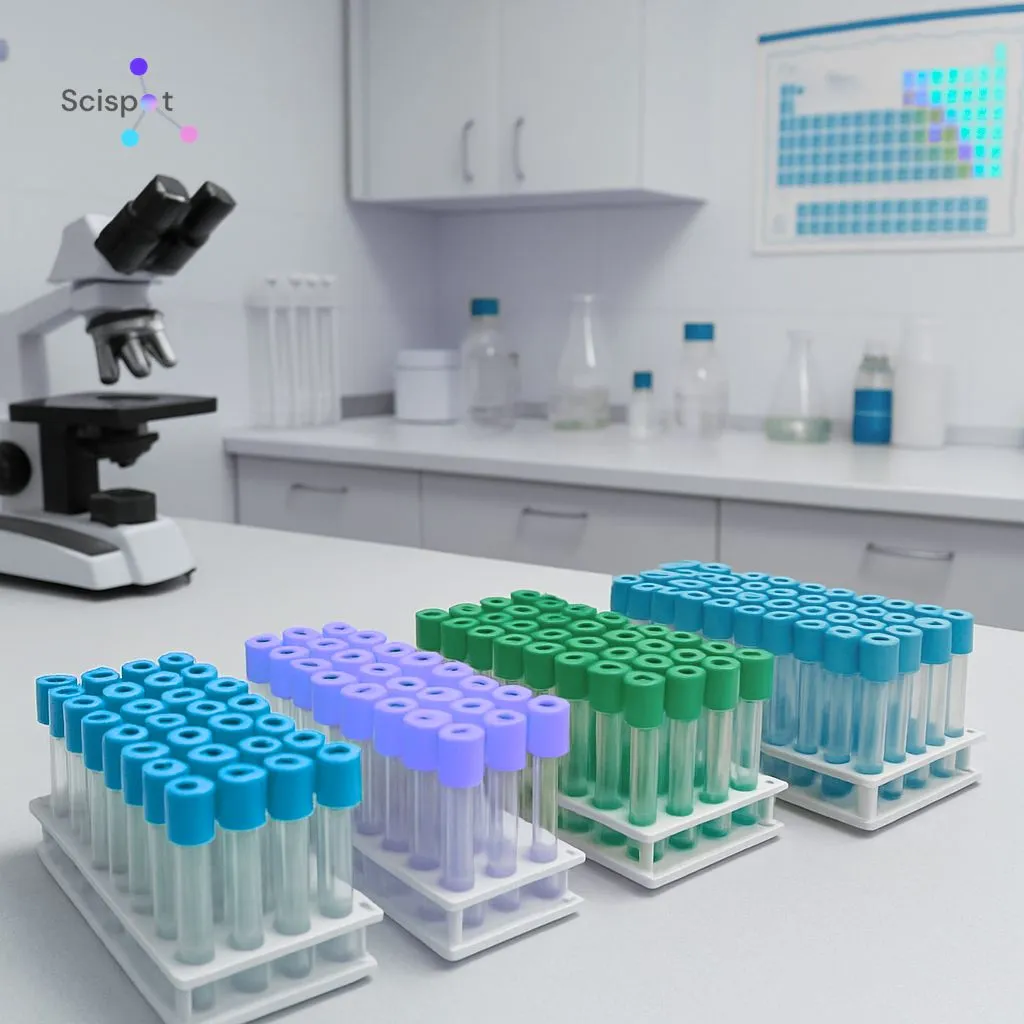
In today’s fast-moving clinical diagnostics space, labs use digital tools like Scispot to streamline work and deliver faster, more reliable results. Scispot’s integrated LIMS platform automates sample tracking, workflow management, and data analysis. That helps reduce errors and cut turnaround times from days to hours.
For modern clinical labs, it gives technicians AI-driven insights and secure patient portals for real-time result access. The result is a more transparent and efficient lab process, instead of one that feels hidden or hard to follow.
Decoding Your Metabolic Panel: Using Reference Ranges to Track Your Health
Opening your patient portal and seeing new numbers can feel like a lot, especially when something is flagged. One common test is a metabolic panel, which gives a broad look at your body’s chemical balance. When you review medical test results online, it helps to think of this panel as a dashboard for organ function.
Here are a few common blood chemistry measures in that panel:
- Glucose: Blood sugar that gives you energy.
- Electrolytes: Minerals that help keep fluid levels balanced.
- Creatinine: A waste product that shows how well your kidneys filter blood.
Next to these numbers, you will usually see reference ranges. Think of them like speed limits. There is a general safe zone, but that zone can shift based on age, sex, or personal health history.
A result that falls a little outside the range is rarely an emergency by itself. It is a clue. It gives you and your doctor something specific to talk through. Learning how to read those clues can make preventive care feel a lot more manageable.

Identifying Common Blood Chemistry Tests and Their Role in Preventive Care
At an annual physical, your doctor may order blood work even when you feel fine. That is screening. It works like routine maintenance for your body. A diagnostic test is different. That is usually ordered to look into an active symptom, such as pain or fatigue.
Standard panels often check glucose and lipids, including cholesterol. These numbers act like quiet warning signals. They can show small shifts in your blood chemistry before you notice any symptoms.
That is why preventive lab screening matters. Small lifestyle changes made early can help you avoid more serious chronic illness later. In that sense, the cost of a routine screening panel is often much lower than the cost of long-term treatment.
Of course, early warning only helps if the data is accurate. That is where clinical laboratory services matter. The same teams that support routine screening also handle more complex testing tied to research and advanced care.
Evaluating Clinical Trials Laboratory Services: The Role of Providers like BioReference
When researchers test new medicines, they need more than a local clinic lab. To track safety across thousands of patients in different places, they rely on central lab services for clinical trials. These labs handle samples at scale and help keep results consistent.
When experts evaluate a provider like BioReference for clinical trial lab services, they usually look at three things:
- Global logistics to move sensitive samples safely
- Strong data security to protect patient privacy
- Advanced technology to handle complex clinical trial testing
Because this data is so precise, it can support more targeted care and more personalized treatment decisions.
Molecular Diagnostics: How Personalized Lab Testing Targeted My Treatment
Standard blood tests measure general health. Molecular tests look for something more specific. They work like a high-tech sensor that scans for genetic signals, such as a virus’s DNA. Experts use this kind of data in personalized medicine so doctors can choose treatments that better match a person’s biology.
Sometimes speed matters most. That is where point-of-care testing helps. A rapid strep swab, for example, can give an answer before you leave the clinic. But more complex genetic tests still need advanced lab equipment. Understanding the strengths and limits of home testing and professional labs makes it clearer why some results take longer.
Knowing how these tools work behind the scenes can help you move through healthcare with more confidence.

Your 3-Step Action Plan for Navigating Your Next Lab Appointment
You know a lot more now about what happens after the needle. That makes it easier to take an active role in your care. For your next appointment, keep it simple. Ask why the test is needed. Prepare the right way. Then talk through the results openly.
When you are ready, log into your patient portal and review your numbers. Looking at your own data can help you see the value of preventive lab screening more clearly. Clinical laboratory services give structure and evidence to your care. They turn a brief uncomfortable moment into useful long-term health tracking.
A blood draw does not have to feel like a black box. Once you understand what it supports, it feels more like part of a clear process. And that makes it easier to ask better questions and make informed choices at your next visit.