

.webp)
What are common biological hazards in laboratories?
Biological hazards in labs can cause real harm if they are not managed well. They include bacteria, viruses, fungi, and other biological materials that can lead to infection or contamination.
That is why lab safety matters so much. Teams need clear protocols, proper protective equipment, and standard procedures that reduce the chance of exposure.
Risk assessment is a big part of that work. It helps labs spot likely hazards, put controls in place, and build a safer work environment.
Biosafety measures matter too. Safe waste disposal, routine decontamination, and regular training all help labs stay prepared and reduce risk.
This guide looks at common biological hazards in labs and the safety practices that help manage them.
Understanding Biological Hazards in Laboratories
Biological hazards are common in lab settings. They can come from living organisms or from biological materials that carry disease risk.
To manage them well, teams need to know what kinds of hazards they are dealing with and where those hazards come from. That is the first step toward better safety.
Many biological hazards involve microorganisms. Common examples include bacteria, viruses, fungi, and parasites. Each one creates its own type of risk for lab staff.
Labs should assess these risks on a regular basis. That means looking at what hazards are present, how much of each is being handled, and what kind of exposure could happen. Those findings then shape the lab’s safety procedures.
Key parts of understanding biological hazards include:
- Types of biological agents
- Routes of exposure
- Possible health effects
- Control measures and protections
When staff understand these basics, they are better equipped to work safely. Awareness, training, and steady attention all help prevent exposure.
Staying informed is part of staying safe. The better a lab understands biological hazards, the better it can protect the people working in it.
Types of Biological Hazards: Common Agents and Risks
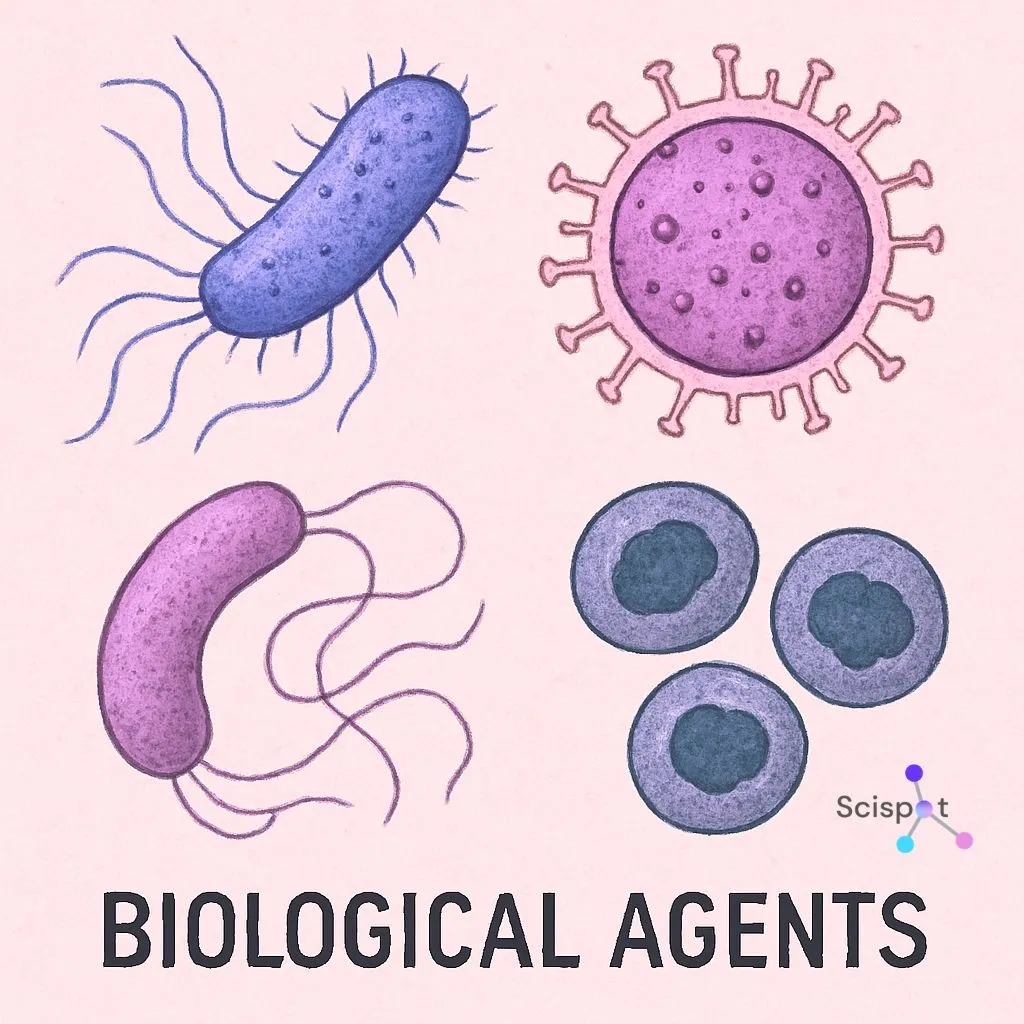
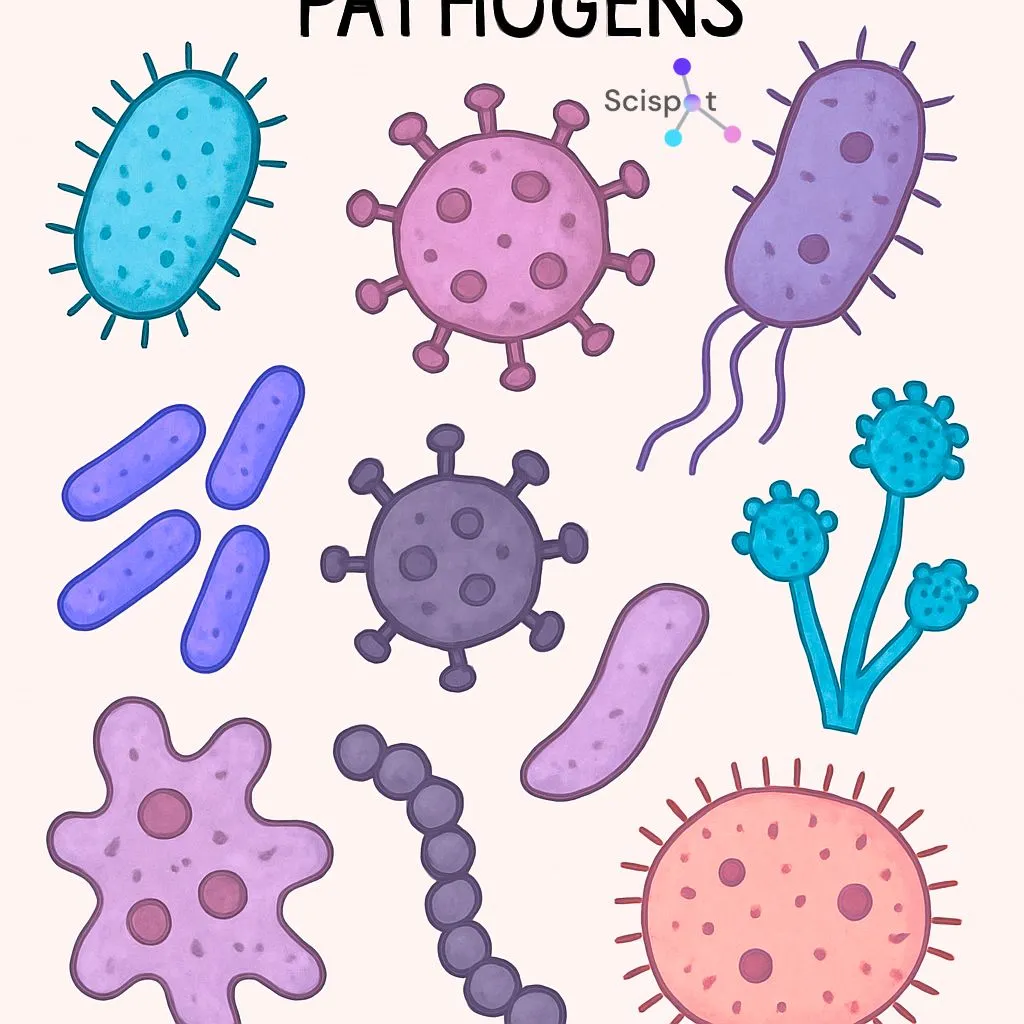
Biological hazards in labs often come from pathogenic microorganisms. Each type of agent brings a different kind of risk, so it helps to know what you are dealing with.
Bacteria are among the most common hazards in labs. Some can cause infection and spread easily if they are not handled the right way. Certain strains need extra care because they pose a higher risk.
Viruses can be especially hard to control because they may spread quickly. Exposure can happen through inhalation or contact with contaminated surfaces, which makes good containment essential.
Fungi also create health risks, even though they get less attention. They can cause infection, especially in people with weakened immune systems. Mold and spores may become airborne, so they often need specific controls.
Parasites are less common in many labs, but they still matter in certain settings. They may infect through ingestion or skin contact. Labs that work with animals or biological specimens may be more likely to face this type of risk.
Common biological hazard agents in labs include:
- Bacteria, such as E. coli and Salmonella
- Viruses, such as influenza and SARS-CoV-2
- Fungi, such as Aspergillus and Candida
- Parasites, such as Plasmodium and Giardia
When labs understand the risks tied to each agent, they can build safety protocols that fit the actual hazard. That lowers the chance of exposure and infection.
Good information, proper training, and consistent safety habits go a long way in protecting people from these threats.
Biological Risk Assessment: Identifying and Evaluating Hazards
Biological risk assessment is a core part of lab safety. It helps teams identify what could go wrong before something does.
A good assessment looks at the agents being used, the procedures involved, and the ways exposure might happen. It also considers how harmful the agent is and how it spreads. That information helps determine the right containment level and safety controls.
An effective risk assessment usually follows a few basic steps. Start by gathering clear information about the biological agents in use and the risks they carry. Then review how exposure could happen and put controls in place to reduce that risk.
A basic checklist for biological risk assessment includes:
- Identify the biological agents being studied
- Determine the level of risk linked to each agent
- Evaluate the possible routes of exposure
- Develop control measures to reduce risk
- Review and update the assessment on a regular basis
Thorough risk assessment helps labs prevent accidents and respond to new risks before they grow into larger problems.

Essential Lab Safety Protocols and Biosafety Measures
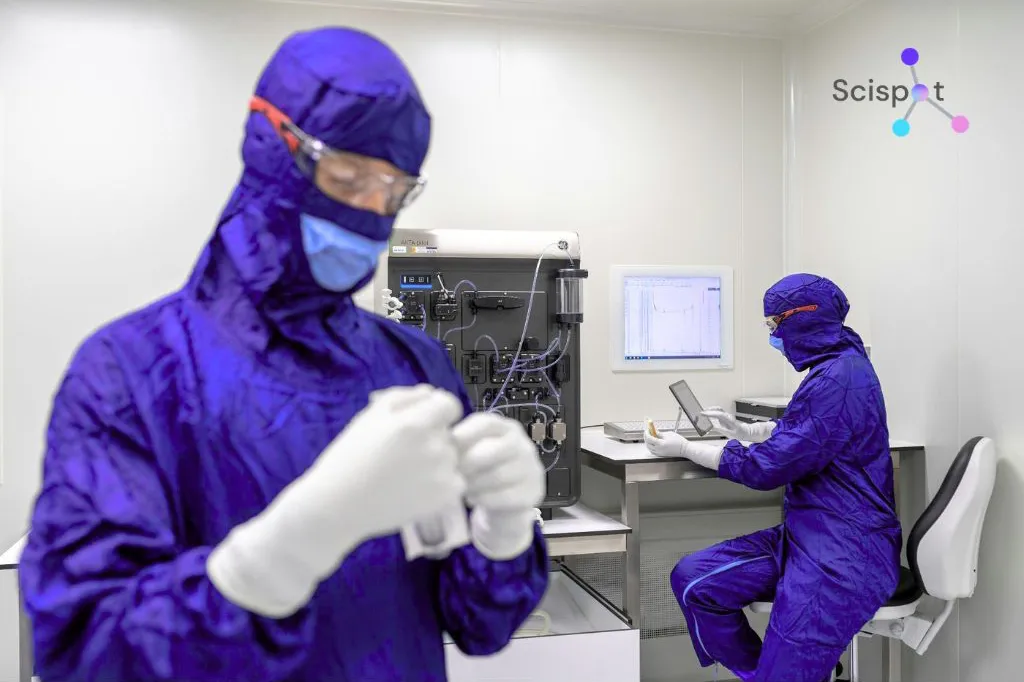
Strong lab safety protocols are the foundation of a safe work environment. They help reduce exposure to biological hazards and give teams a clear system to follow.
Personal protective equipment, or PPE, is one of the basics. Gloves, goggles, and lab coats help lower the risk of contamination and direct exposure.
Teams also need to follow standard operating procedures, or SOPs. These written steps make sure work is done the right way and with the right precautions. SOPs should be reviewed and updated as safety needs change.
Biosafety measures cover more than one area. Safe waste disposal is a major one. So is decontamination of work surfaces and equipment. Both are necessary for limiting the spread of harmful agents.
Essential lab safety protocols include:
- Wear the right PPE
- Follow SOPs carefully
- Decontaminate surfaces and equipment on a regular basis
- Dispose of waste through approved safe methods
- Take part in routine safety training and drills
These practices lower risk and make the lab safer for everyone. Ongoing training helps people understand why the rules matter and how to apply them well.
Infection Control Practices in the Laboratory
Infection control is a basic part of safe lab work. Its goal is simple: stop pathogens from spreading.
Handwashing is one of the most effective tools. It helps reduce the transfer of contaminants and should happen before and after lab tasks.
Safe handling and containment of infectious materials also matter. Closed systems should be used where possible, and spills should be cleaned up right away to keep contamination from spreading.
Training is another key piece. Staff need to know what the risks are, how exposure happens, and what steps reduce it.
Important infection control practices include:
- Frequent and thorough handwashing
- Safe handling and disposal of infectious materials
- Immediate cleanup of spills
- Proper containment and storage of biological agents
- Regular training on infection control procedures
These habits help protect staff and support a safer lab environment.
Biological Safety Cabinets and Laboratory Equipment
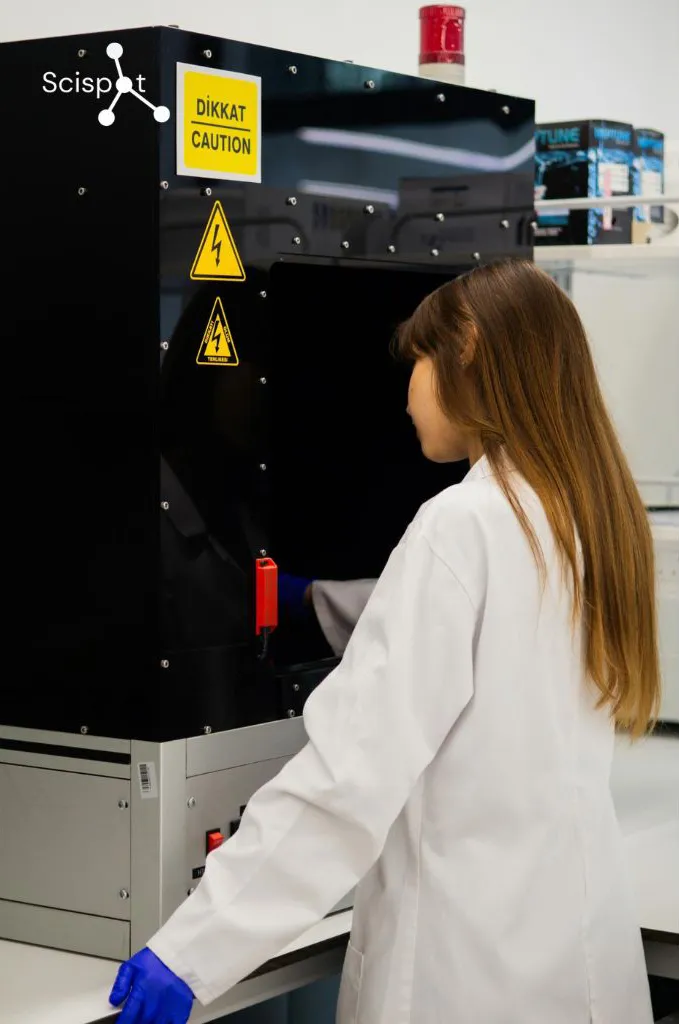
Biological safety cabinets, or BSCs, are a major part of lab safety. They help protect staff from exposure and also reduce contamination of experiments.
BSCs use HEPA filters to trap infectious particles. Like any safety equipment, they only work well if they are maintained properly. Routine checks are necessary to keep them effective.
Other key pieces of lab equipment include autoclaves and centrifuges. Autoclaves use high-pressure steam to decontaminate materials. Centrifuges help separate biological materials in a controlled way.
Important equipment safety measures include:
- Regular maintenance and calibration
- Proper training on equipment use
- Routine inspection of safety features
The right equipment makes hazard control easier, but only if it fits the level of risk involved and staff know how to use it correctly.
Hazardous Materials Handling: Best Practices and Training
Handling hazardous materials safely is a basic part of lab work. The right methods lower the risk of exposure, contamination, and error.
Training is essential. Everyone in the lab should go through regular sessions so they understand the materials they work with, the risks involved, and the precautions required.
Best practices for hazardous materials handling include:
- Use the right PPE
- Label all chemical and biological substances clearly
- Follow established SOPs
Practice matters too. Repeating safe handling steps helps staff build habits that hold up under pressure and lowers the chance of accidents.
Clear rules and steady compliance help protect both the people in the lab and the work itself.
Emergency Response and Incident Management
Labs need to be ready for emergencies. Fast, clear action can reduce harm and limit how serious an incident becomes.
A solid emergency plan should include clear procedures, defined communication paths, and practical training. Staff need to know what to do before something goes wrong, not during the confusion.
Essential parts of emergency response and incident management include:
- Easy access to emergency exits and equipment
- Regular safety drills and scenario-based training
- Clear procedures for reporting and investigating incidents
Good incident management also helps labs learn from what happened and reduce the chance of it happening again.
Building a Culture of Safety: Training, Communication, and Continuous Improvement
A strong safety culture does not come from rules alone. It depends on people taking safety seriously every day.
Regular training helps staff build skill and stay alert to risk. It should stay useful, practical, and tied to real lab work.
Communication matters just as much. When people feel comfortable raising concerns or reporting near-misses, labs can catch problems early and fix them before they get worse.
Ways to build a stronger safety culture include:
- Give regular feedback and recognition
- Encourage people to report and learn from near-misses
- Update protocols as new risks and findings emerge
Continuous improvement keeps safety practices relevant. Labs change, risks change, and safety systems need to keep up.
Scispot for Safer Biological Hazard Management
For labs that need a more reliable way to manage biological hazards, Scispot gives teams one place to run safety workflows, track samples and hazardous materials, document exposure risks, and maintain clear audit trails.
Instead of relying on scattered spreadsheets, paper logs, and disconnected systems, labs can use Scispot to manage SOPs, training records, incident documentation, waste handling steps, storage details, and biosafety checks in a structured digital workflow.
That helps reduce manual errors, improve traceability, respond faster when issues come up, and keep tighter control over day-to-day biosafety work.
Conclusion: Key Takeaways for Laboratory Safety
Lab safety takes steady work. Biological hazards are serious, but they can be managed well with the right systems, training, and habits.
Strong protocols reduce exposure risk. Regular training and clear communication help teams stay prepared. Risk assessment helps labs catch problems early instead of reacting after the fact.
Key takeaways:
- Conduct regular biological risk assessments
- Use proper PPE
- Maintain well-ventilated workspaces
- Run regular training and safety drills
When these practices become part of everyday lab work, the lab becomes safer for everyone in it.
%20Comprehensive%20Guide.avif)
.webp)