

.webp)
What are bioanalytical labs?
Swallowing a common painkiller like ibuprofen is something most of us do without much thought. You probably know the medicine dissolves and enters your bloodstream, but tracking where it goes after that takes a very specialized lab. These facilities, called bioanalytical laboratories, exist to follow a drug’s path through the body.
Most people know diagnostic labs as the places that check blood or urine to see if you are sick. Bioanalysis does a different job. It focuses on measuring what a medicine does after it gets inside you. Scientists in these labs look for a specific analyte, the exact substance they need to measure, and they have to find it without getting thrown off by everything else in the sample.
That is a hard task. It is a bit like trying to find one drop of blue ink mixed into an Olympic-sized pool. According to safety standards set by groups like the FDA, bioanalytical testing has to be sensitive enough to find that drop.
That level of precision is what makes safe dosing possible. By showing exactly how much medicine stays in your system over time, this work helps create the dosing instructions printed on your pill bottle.
The detective work behind drug testing
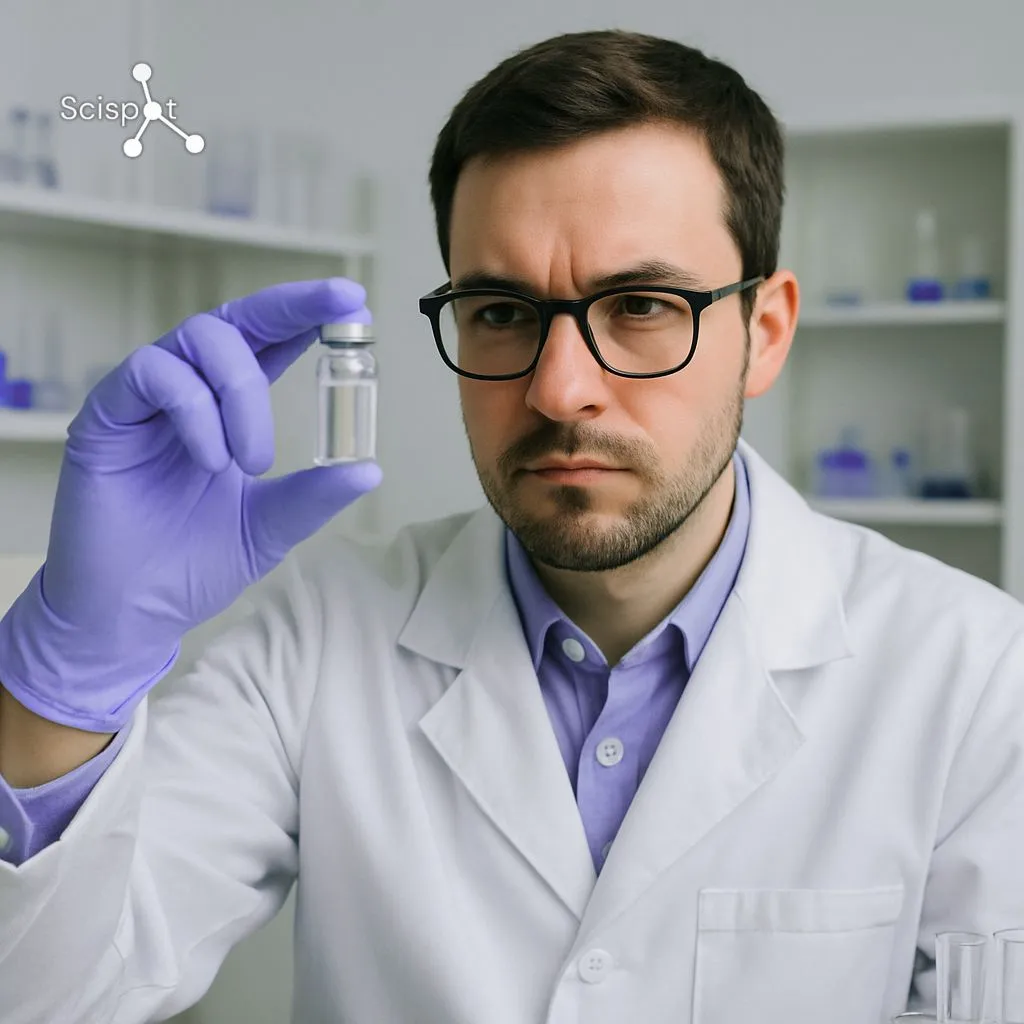
A regular doctor visit may include a blood draw to check your general health. Testing a new medicine takes a very different kind of lab work. Standard clinics look for broad signs of health or illness. Bioanalytical labs focus on exact measurement.
Diagnostic labs ask what is going on, such as whether you have an infection. Bioanalytical labs ask how much, such as how much of a drug is moving through your bloodstream.
This sample collection step is often called “the harvest.” It gives scientists the raw material they need to study pharmacokinetics, which is the science of how your body moves medicine. Because each person’s metabolism is different, two people who take the same painkiller may absorb it and clear it at different speeds. By testing several blood samples over a period of hours, lab teams can track that path and see how quickly the medicine is used up.
Precision matters here. A drug that disappears too fast may not relieve symptoms. One that stays too long could be unsafe. The challenge is that scientists have to find that active drug in a crowded vial of blood, which can feel like looking for one grain of sand on a beach.
Cleaning up the sample
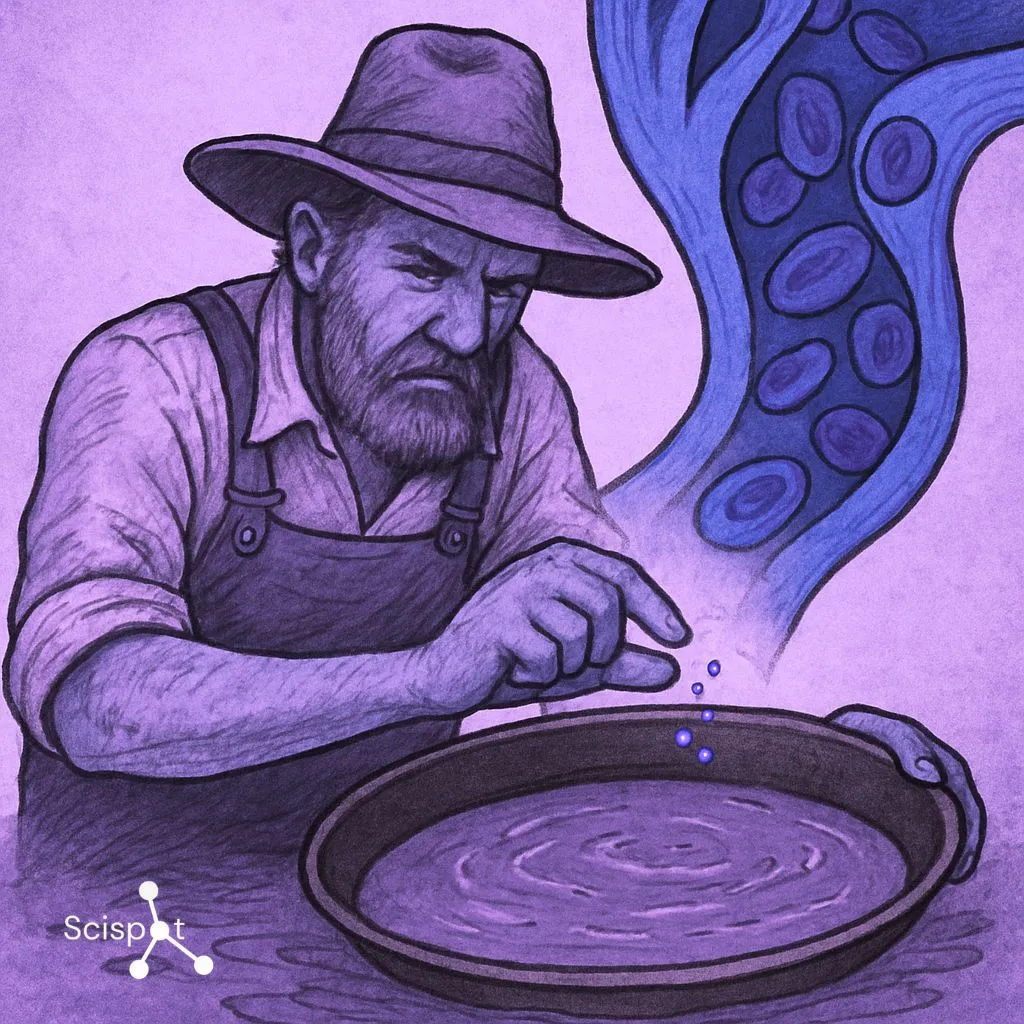
Imagine dropping a tiny vitamin into a blender full of thick vegetable soup, then trying to pull it back out. That is close to what blood looks like in this kind of work. During biological sample handling, scientists deal with a dense mix of proteins, cells, and fats. This creates matrix effects, which means the natural material in the blood can hide the medicine they need to measure. Without strict standard operating procedures to clean up the sample, labs can miss the drug and end up with bad safety data.
To deal with that, researchers strip away the clutter before they measure anything. In the lab, that cleanup often relies on chromatography, a technique that separates a messy mixture into cleaner parts. The blood sample passes through specialized filters, unwanted material washes away, and the target medicine is left behind.
This separation is a key part of reducing matrix effects in bioanalytical methods. Once the sample is clean, it can move into liquid chromatography tandem mass spectrometry applications. That is a complex name for sorting the isolated molecules and sending them into a very precise measuring system. Once the biological noise is reduced, scientists can start to measure how much drug is left.
How labs measure tiny and large drugs
After the sample is cleaned up, scientists have to measure exactly how much medicine remains. Not all medicines are built the same way, so analytical chemistry uses different tools for different jobs. A common painkiller is a small molecule. Many newer biologic drugs are large proteins.
Small drugs are often tracked with mass spectrometry, which works like a very precise scale. Think of it as a coin sorter that separates things by weight. Each chemical has its own mass, so the machine moves molecules through a vacuum and weighs them. If a molecule matches the weight of ibuprofen, for example, the lab can confirm it is there and measure how much is present.
Large drugs do not work as well with that approach because they can break apart. In those cases, researchers often use ligand binding assays. These tests work more like a lock and key. If the right biological target is present, the matching binder attaches to it and confirms that it is there.
So when labs compare ligand binding assays and mass spectrometry, the choice usually comes down to the size of the drug in a large molecule or small molecule analysis.
Mass spectrometry identifies small molecules by weighing them. Ligand binding identifies large molecules by binding to them.
No matter which method a lab uses, the tools only matter if the lab can prove they work the same way every time.
How labs keep the data safe and reliable
Even the best instrument is no help if the method behind it is not solid. Before labs test real patient samples, they have to lock down the method and show that it works. That is the point of validated method development. Labs create the testing process, check it, and prove it can find the right medicine the same way every time before the real study starts.
Regulators like the FDA require that level of control. They enforce it through GLP compliant bioanalysis services, which means testing has to follow Good Laboratory Practice rules. Those rules are there to make sure the work happens in a controlled setting where no one cuts corners, skips steps, or guesses at results.
Labs also have to prove what they did and when they did it. That is where data integrity comes in. It is the permanent record that shows the data was captured, reviewed, and kept in a reliable way. By maintaining data integrity in clinical trial samples, researchers help make sure the math behind a medicine can be trusted. Once the numbers are solid, scientists can use them to work out the dose that ends up on a prescription label.
How the numbers shape dosing instructions
When you read “take one tablet every twelve hours,” you are looking at the end result of pharmacokinetics and pharmacodynamics testing. That work shows how your body processes a drug and how the drug affects you. To figure out the right instructions, scientists look for specific biological signals. Through biomarker quantification in clinical research, they can learn whether the medicine reached its target, whether the illness is improving, and whether the dose is balanced in a safe way.
Sometimes the immune system treats a new medicine like a threat. Monitoring immunogenicity in drug development helps labs catch that risk. If the body makes antibodies against the drug, the treatment may stop working or trigger an allergic reaction. That is why scientists keep close watch on these responses.
This kind of testing often needs large, expensive instruments and deep technical skill, so many pharmaceutical companies do not do it all in-house. Instead, they work with a contract research organization partner, which is an outside lab that specializes in this work. That lets drug makers rely on experts whose full job is to find and measure the right signals in the data.

Why Scispot is the preferred digital solution for bioanalytical labs
Scispot stands out as a preferred digital solution for bioanalytical labs because it helps teams bring complex workflows, sample data, instrument outputs, and review steps into one connected system. Instead of relying on spreadsheets, disconnected software, and manual data transfers, bioanalytical teams can use Scispot to track samples end to end, automate calculations, standardize data capture, connect instruments, and maintain clear audit trails at every step.
That matters in bioanalysis, where precision, traceability, and speed all have to work together. With support for structured workflows, compliance-ready records, result review, and visibility across studies, Scispot gives bioanalytical labs a practical way to cut operational friction while improving confidence in the data behind each decision.
From test tube to pharmacy
The next time you open your medicine cabinet, you can look at those bottles a little differently. Those treatments made it through a very exact kind of lab work. Bioanalytical labs help make sure each pill is safe by cleaning, sorting, and measuring tiny molecules so scientists can track how a medicine behaves in the body.
That careful pharmaceutical analysis acts as a hard check before a treatment reaches the pharmacy. You may never see the people behind it, but their precision helps make modern medicine possible. The next time you take a simple painkiller, you can know that a whole team has already mapped its path to help keep you safe.