

.webp)
How accurate are at-home cancer testing kits compared to lab tests?
For decades, cancer screening meant cold exam rooms and long waits for an appointment. Today, some people start that process at home. A busy professional can order a kit, collect a sample, and mail it to a lab without dealing with the first clinic visit. That convenience has made home health tests a popular tool for early detection.
Still, it helps to be clear about what these tests actually do. The key difference is between screening and diagnosis. A good way to think about it is a smoke detector. It alerts you when something may be wrong, but it cannot tell you whether the cause is burnt toast or a real fire. In the same way, screening looks for warning signs. A doctor makes the diagnosis.
That balance matters. A home kit can be a useful first step, but it does not replace your physician. It gives you an early signal and helps you have a more focused talk with your doctor about what to do next.

Why a “positive” result is not a diagnosis
Think of modern at-home diagnostics like a fine kitchen sieve. Cancer detection kits sort through your sample for biomarkers, which are tiny biological traces that abnormal cells may leave behind. A test’s ability to catch those traces is called clinical sensitivity. Highly sensitive tests can catch possible problems early, but they can also pick up things that turn out not to matter.
That is why false positives happen. A test built to catch anything suspicious may also react to harmless noise. The accuracy of direct-to-consumer screening depends a lot on reducing that noise, such as:
- Recent diet: eating red meat or taking certain vitamins before a stool test
- Sample timing: collecting the sample at the wrong time of day
- Storage temperature: leaving the return box in a very hot mailbox
A positive result does not mean you have cancer. It means the test found something that needs a closer look. A false negative can also happen, where a real issue is missed for the moment. The safer way to read a screening result is like a weather alert. It tells you to pay attention, not to assume the final outcome. The next step is follow-up with a doctor.

FIT vs. colonoscopy: choosing the right strategy for colorectal health
For a long time, colonoscopy was the main way to check for colorectal disease. Now, at-home colorectal cancer screening kits give people another option for the first step. The most basic one is the Fecal Immunochemical Test (FIT). FIT works like a chemical spotter. It looks for tiny traces of hidden blood in stool, which can be an early sign of polyps or cancer.
There are also multitarget stool DNA tests. These look for hidden blood as well as abnormal genetic traces. Learning how to use one is usually simple. You collect a sample at home and mail it in. But that ease comes with a tradeoff. These tests screen for warning signs. They do not look directly at the tissue itself, so you need to repeat them on schedule for them to stay useful.
When people compare FIT with colonoscopy, the real tradeoff is frequency versus certainty:
- FIT: usually needs to be done every year to catch subtle changes
- Stool-DNA: often recommended every three years
- Colonoscopy: the clinical gold standard, usually done every ten years, and it can also remove precancerous polyps
One point matters most. If a home kit comes back positive, you still need a colonoscopy to find the actual source and deal with it. The best choice depends on your health history, family history, and risk level.
Knowing your odds: genetic risk is not the same as active disease
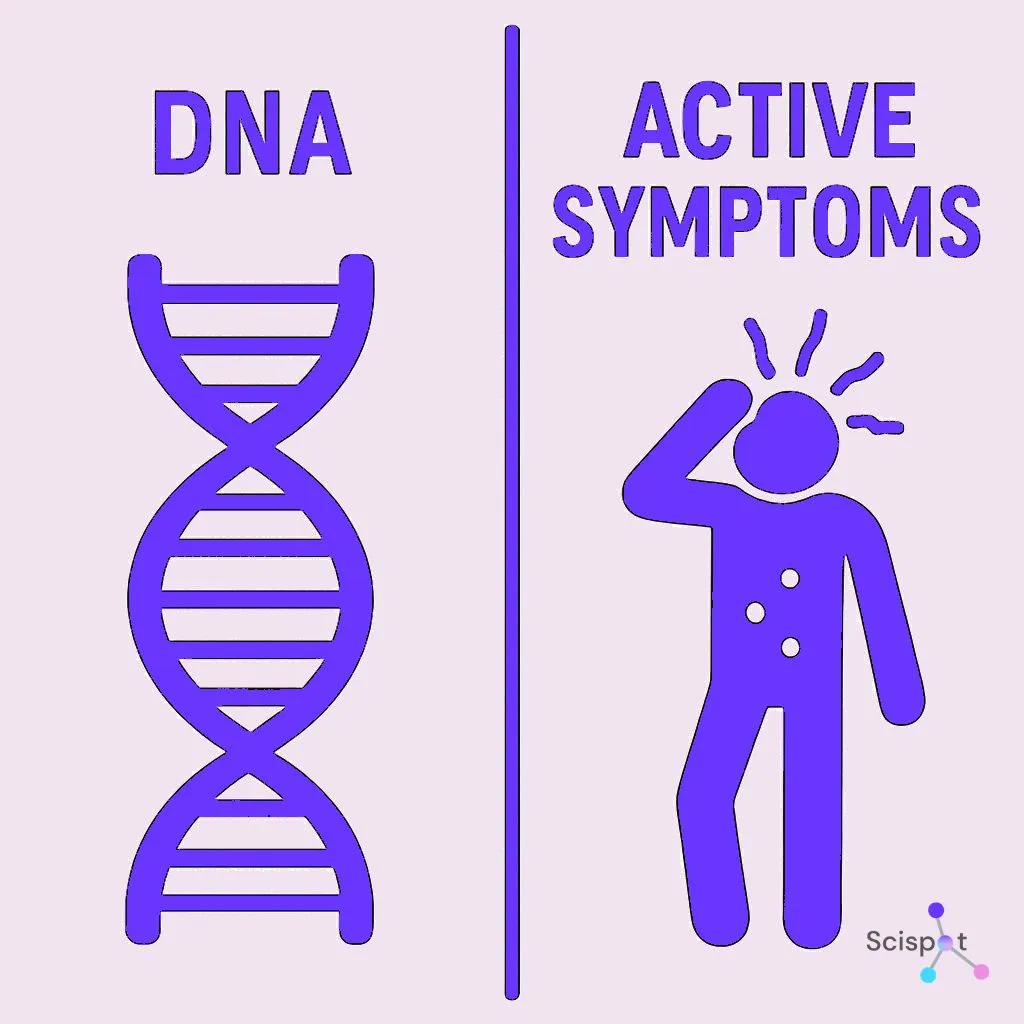
The stool tests above look for signs of disease that may already be active. Genetic screening does something different. It looks at your DNA to estimate future risk. That distinction matters. A test that finds a current cancer signal is not the same as a test that shows a genetic tendency tied to hereditary cancer.
Think of your genes like a house blueprint. A risk report may point to faulty wiring, but it does not tell you whether the house is on fire right now.
People often ask whether home health tests can detect breast cancer. These kits cannot diagnose an active tumor. Some do screen for certain BRCA gene mutations linked to higher risk, but those reports have limits. Many commercial tests check only a small set of well-known mutations and miss many others. They may also report variants of uncertain significance, which are genetic changes scientists do not fully understand yet. That can create more stress than clarity.
A genetic marker means risk, not certainty. Lifestyle and environment still matter. A clear DNA result does not mean you are safe from illness, and a concerning result does not mean illness is guaranteed. Because these reports can be hard to read and easy to misread, it is worth checking whether a kit is backed by real science and proper oversight.
Avoiding the “wild west” of wellness
With so many health products on the market, it can be hard to tell the difference between a useful test and smart packaging. Before you buy one, check its regulatory status.
Use this checklist before you order:
- Look for FDA-cleared or FDA-approved mail-in screens: this means regulators reviewed data on how the test performs
- Check for CLIA certification: this tells you the lab meets federal quality standards and uses inspected equipment
- Look into insurance coverage: many direct-to-consumer kits are paid out of pocket, while doctor-ordered preventive tests may be covered
Accuracy is only part of the story. Privacy matters too. Your genetic data is sensitive. Once shared, you may not be able to take it back. Read the company’s privacy terms before creating an account. Make sure they are not selling or sharing your biological data with marketers or drug companies unless you clearly agree to it.
Checking these details helps you make sure the screening is both scientifically sound and handled responsibly. Once the kit is sent and the results arrive, the next challenge is reading them without panic.
The proactive path: how to handle your results without panicking
That results email can make anyone tense, especially if the report flags a possible issue. Try to keep one thing in mind. A positive result is not a diagnosis. It is a warning sign that tells you to follow up.
That applies whether you are reading a standard home screening result or looking at newer multicancer early detection blood tests. The goal is not panic. The goal is action.
A clear first step is to call your doctor and say:
“I used an FDA-cleared home screening test that flagged a high-risk biomarker, and I need diagnostic follow-up.”
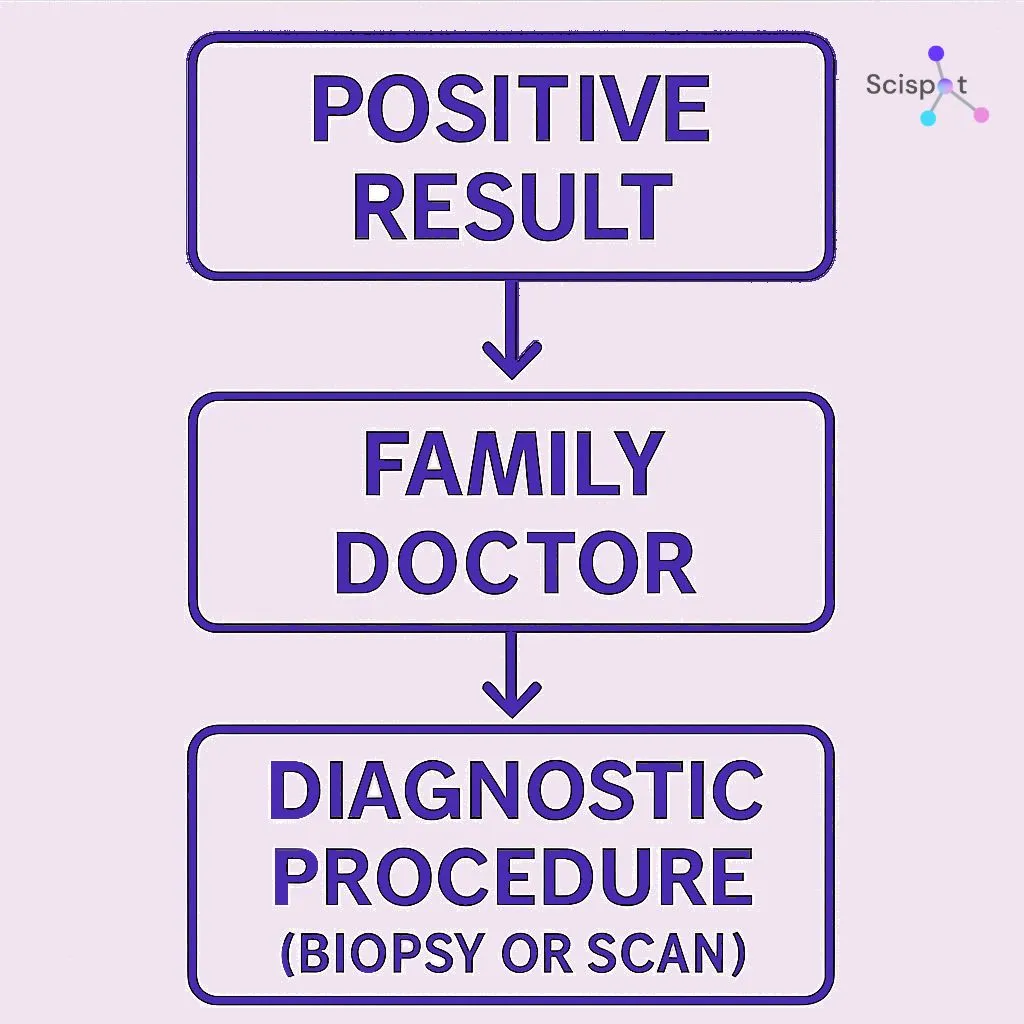
A simple action plan looks like this:
- Contact your GP: share the lab report and ask for next-step testing
- Ask about a specialist: get a referral that fits the result
- Talk to an expert: a genetic counselor can explain risk scores in plain language
A genetic counselor can help put the result in context. They look at your family history, your test result, and your broader risk picture. That can turn a scary report into a more useful and manageable next step.
Your screening roadmap: using home tests as part of yearly care
At-home cancer screening does not have to feel confusing. These kits can be useful tools in a broader health plan. They offer convenience and can help catch warning signs early, but they do not replace clinical care. They are part of the picture, not the whole picture.
It may help to think of them as a smoke alarm for your body. A smoke alarm is useful. You want one in the house. But you still call the fire department when there is real danger.
The safest approach is simple. Use home tests as an extra check, not as a substitute for your doctor. And keep one rule in mind: if you already have symptoms, skip the kit and call your physician directly. That way, you can use these tools in a smart, practical way while keeping proper medical care at the center.