


.webp)
Which companies are leading in the at-home molecular testing market?
The at-home molecular testing market is growing fast. Better tech and demand for convenience drive it. These tests let people run health checks at home, from genetic screening to infectious disease testing.
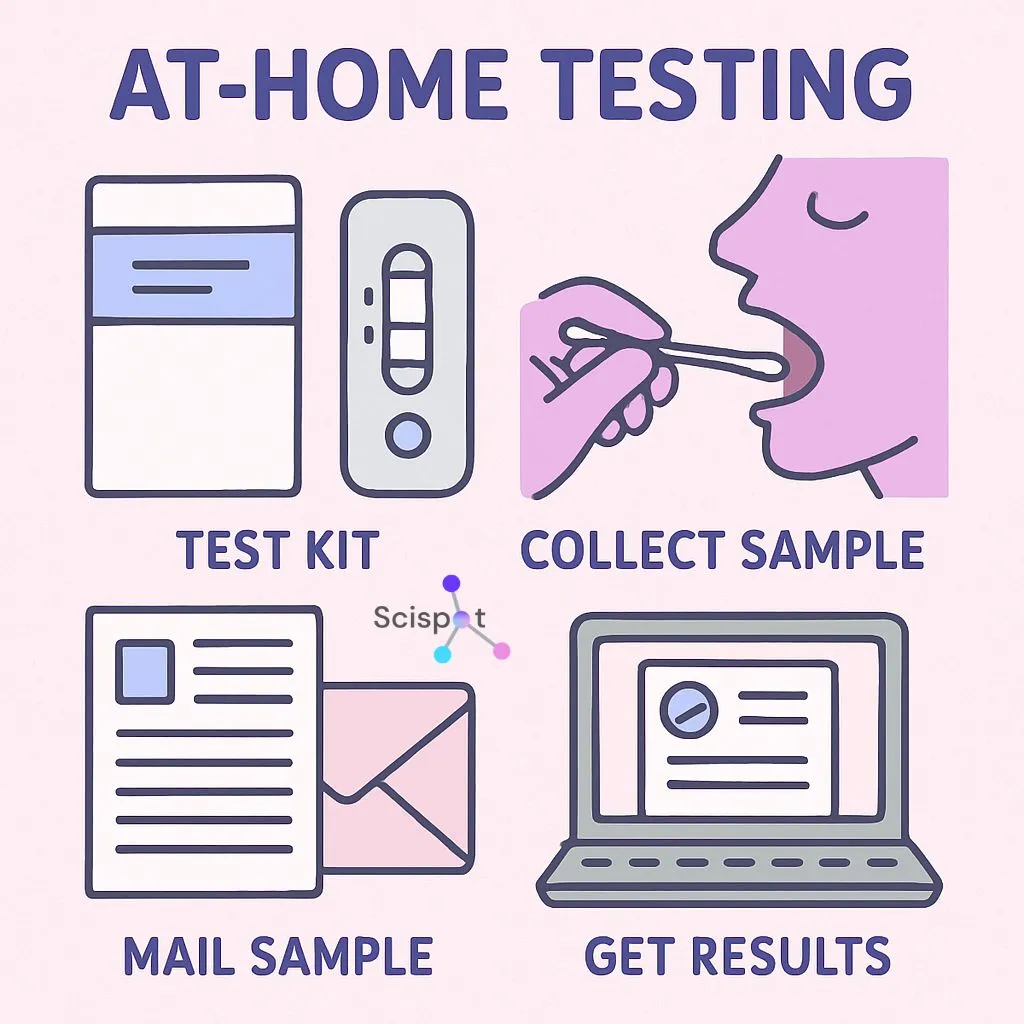
At-home molecular testing uses kits that analyze DNA, RNA, or proteins. You collect a sample at home and send it to a lab. The results can show genetic risk, infections, or other health signals. The appeal is simple. It saves time and keeps things private.
Leading Companies in At-Home Molecular Testing
Several companies are pushing this market forward. They offer a wide mix of tests and services.
1. 23andMe
23andMe helped bring genetic testing to consumers. Its kits cover ancestry, genetic health risks, and carrier status. The company uses its large genetic database to keep improving its insights and features.
2. Everlywell
Everlywell offers a broad set of home health tests. These include food sensitivity, hormones, and vitamin levels. The kits are easy to use. You collect a sample, send it to a certified lab, and get results online.
3. LetsGetChecked
LetsGetChecked focuses on at-home diagnostics across sexual health and general wellness. Tests are processed in accredited labs. Users can view results online and access medical support to understand next steps.

4. MyHeritage DNA
MyHeritage DNA focuses on ancestry and ethnicity testing. It also offers some insight into genetic health risks. The platform makes it easy to explore family history and connect with relatives.
5. Color Genomics
Color Genomics provides genetic testing for health risks, including hereditary cancers and heart conditions. Its kits aim to give clear, useful insights. The company also works with healthcare providers to connect results with care decisions.
The Role of Technology in Advancing At-Home Testing
Technology plays a big role here. AI and machine learning help improve accuracy and speed. Digital health platforms make it easier for users to share results with healthcare professionals and get guidance.

The Impact of COVID-19
The COVID-19 pandemic pushed home testing into the mainstream. It showed how useful these kits can be for public health. Companies like Everlywell and LetsGetChecked launched COVID-19 tests quickly, showing they can scale and adapt when needed.
Regulatory Considerations
Ensuring safety and accuracy is critical. Agencies like the FDA review and monitor these tests. Companies need to meet strict standards before bringing products to market. This helps maintain trust and reliability.
Future Trends in At-Home Molecular Testing
The market is still evolving. A few trends are shaping what comes next.

1. Expansion of Test Offerings
As technology improves, more tests will move into the home. This will likely include chronic disease screening, nutritional insights, and more personalized health checks.
2. Integration with Telehealth
At-home testing will connect more closely with telehealth. You take a test, then speak with a doctor based on the results. This shortens the time between diagnosis and action.
3. Increased Consumer Adoption
More people are open to managing their health with tech. Demand will keep rising. Companies that keep things simple and clear for users will stand out.
Conclusion
The at-home molecular testing market is set to grow as technology improves and demand rises. Companies like 23andMe, Everlywell, LetsGetChecked, MyHeritage DNA, and Color Genomics are leading with products that help people take control of their health.

As the space evolves, at-home diagnostics will play a bigger role in personalized healthcare.