
AI-ready scientific data, without a separate cleanup project
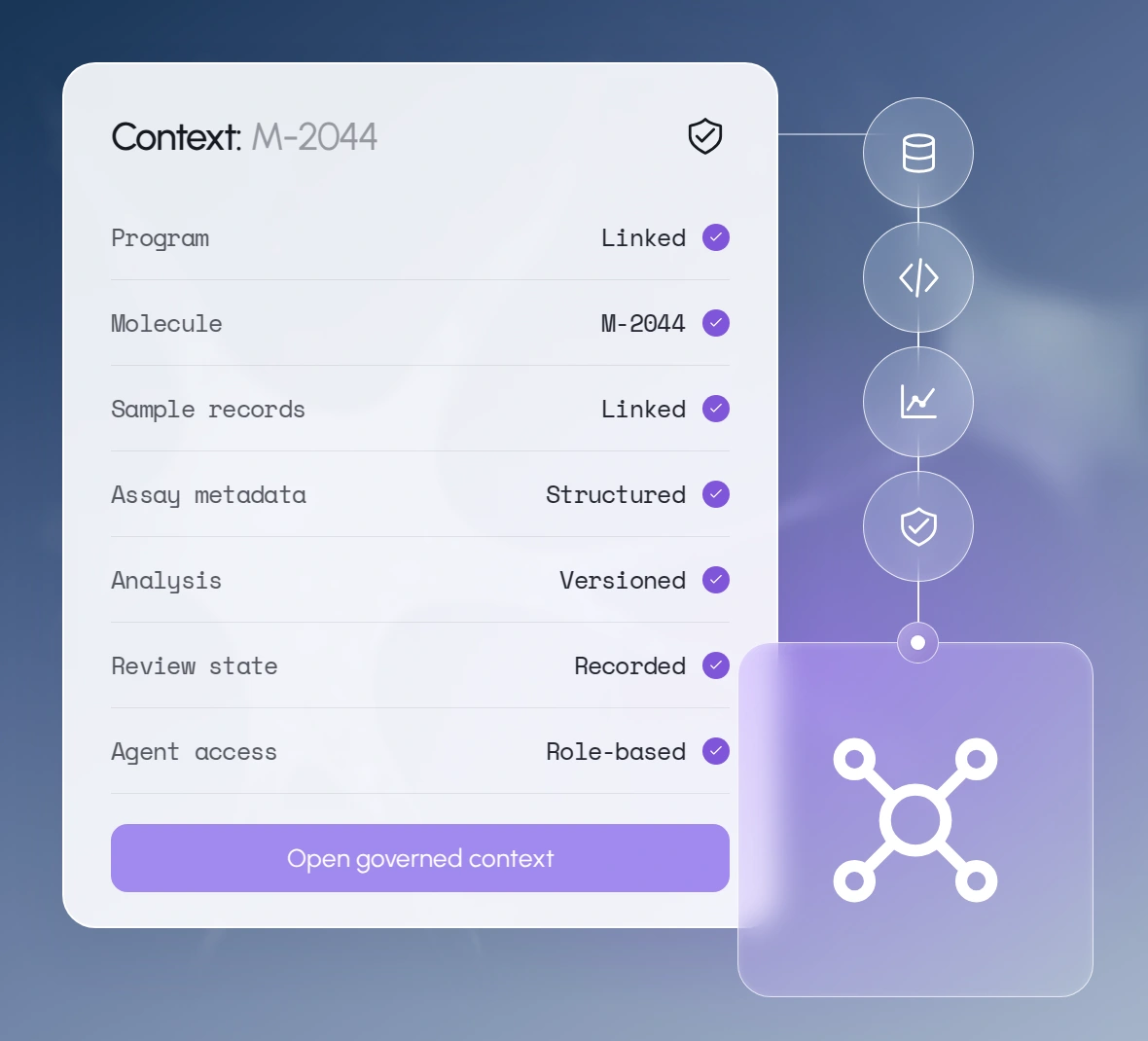
Scispot structures assay data, metadata, analysis, and review states as work happens, so AI uses trusted lab context.
Trusted by 200+ life science labs


















How AI readiness fits your team's day
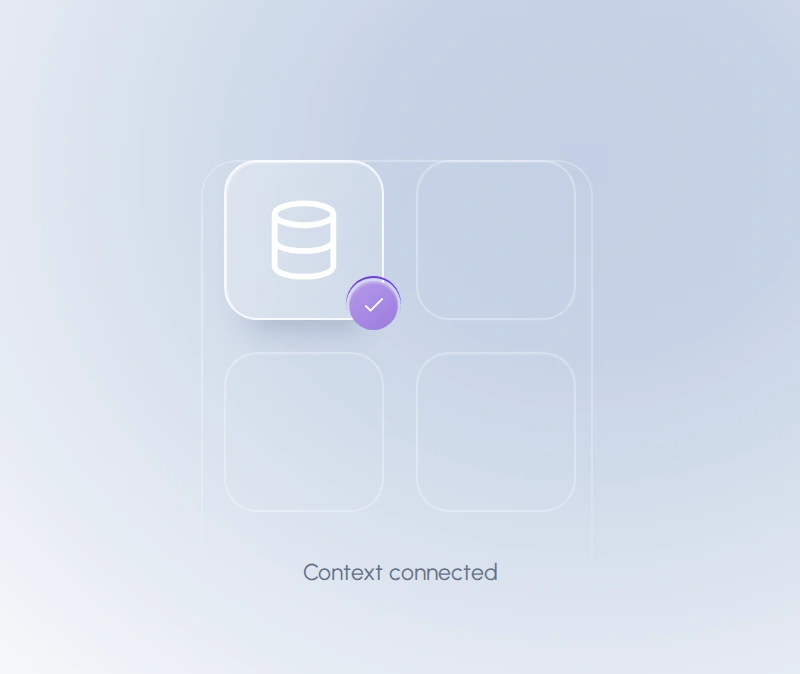

Morning: Scientist
Partner and assay data arrive structured, linked, and in context
Ingestion pipelines standardize partner files and assay outputs into analysis-ready records linked to programs, molecules, samples, and assays, with consistent metadata and IDs.
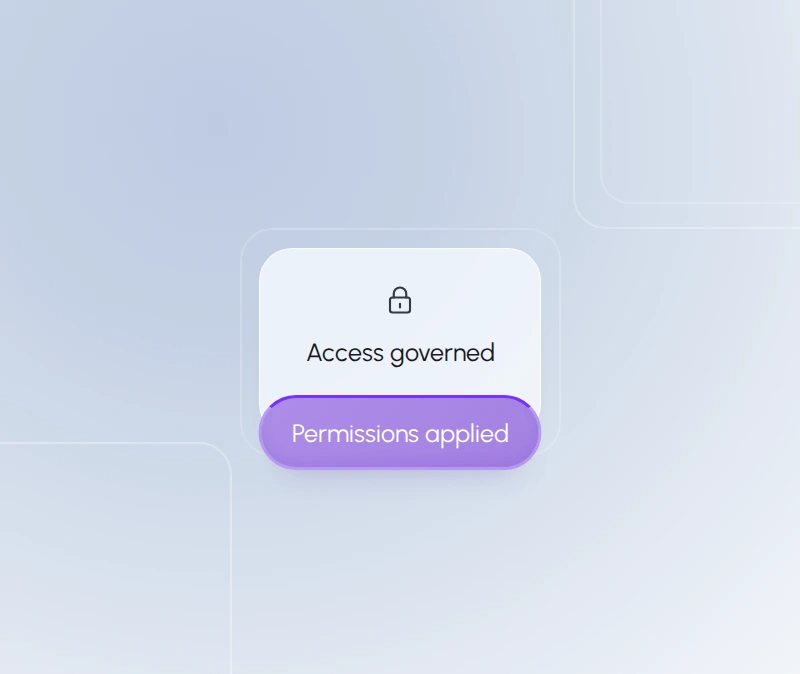
Midday: Data scientist
Analysis and AI agents work on governed data
Notebooks, scripts, curve fits, and AI agents read from trusted records through controlled APIs and MCP, so results stay tied to their source.
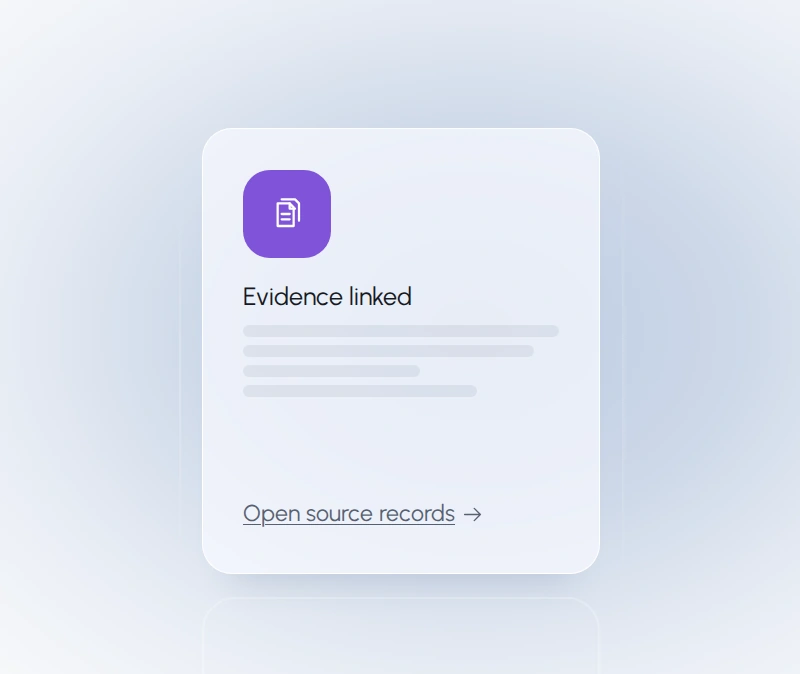
End of day: Program lead
Insights trace back to evidence
Reports, dashboards, and AI-generated summaries link back to the records, calculations, and review steps behind them, ready for decisions.
Everything included, built around how AI-driven science teams work
Keep the notebooks, analysis tools, ELN, and LIMS that still work. Scispot connects them into one governed data layer that people, pipelines, and AI agents can trust.
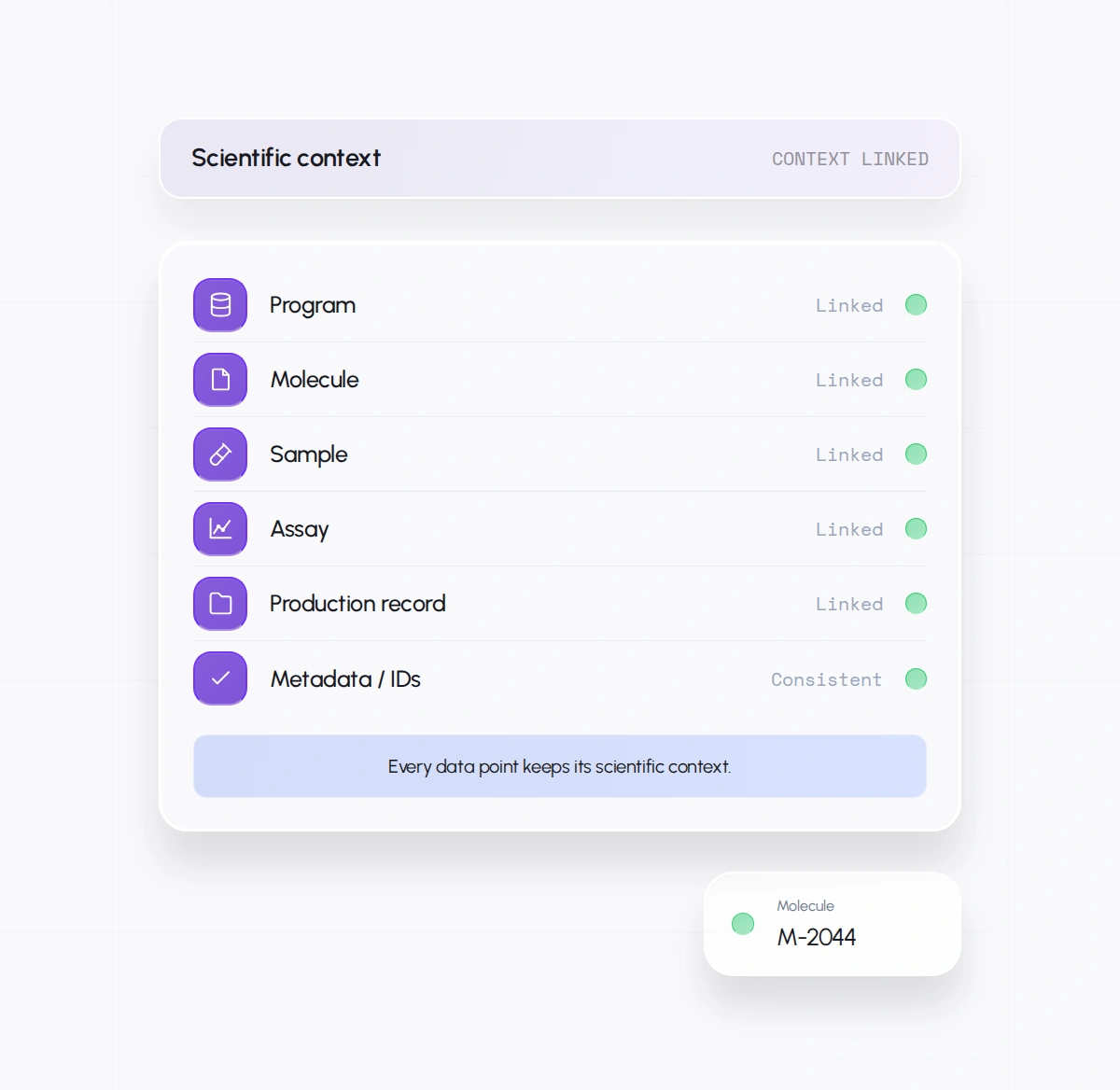
Structured Scientific Context
Model programs, molecules, samples, assays, and production records so every data point keeps its scientific context as it moves.
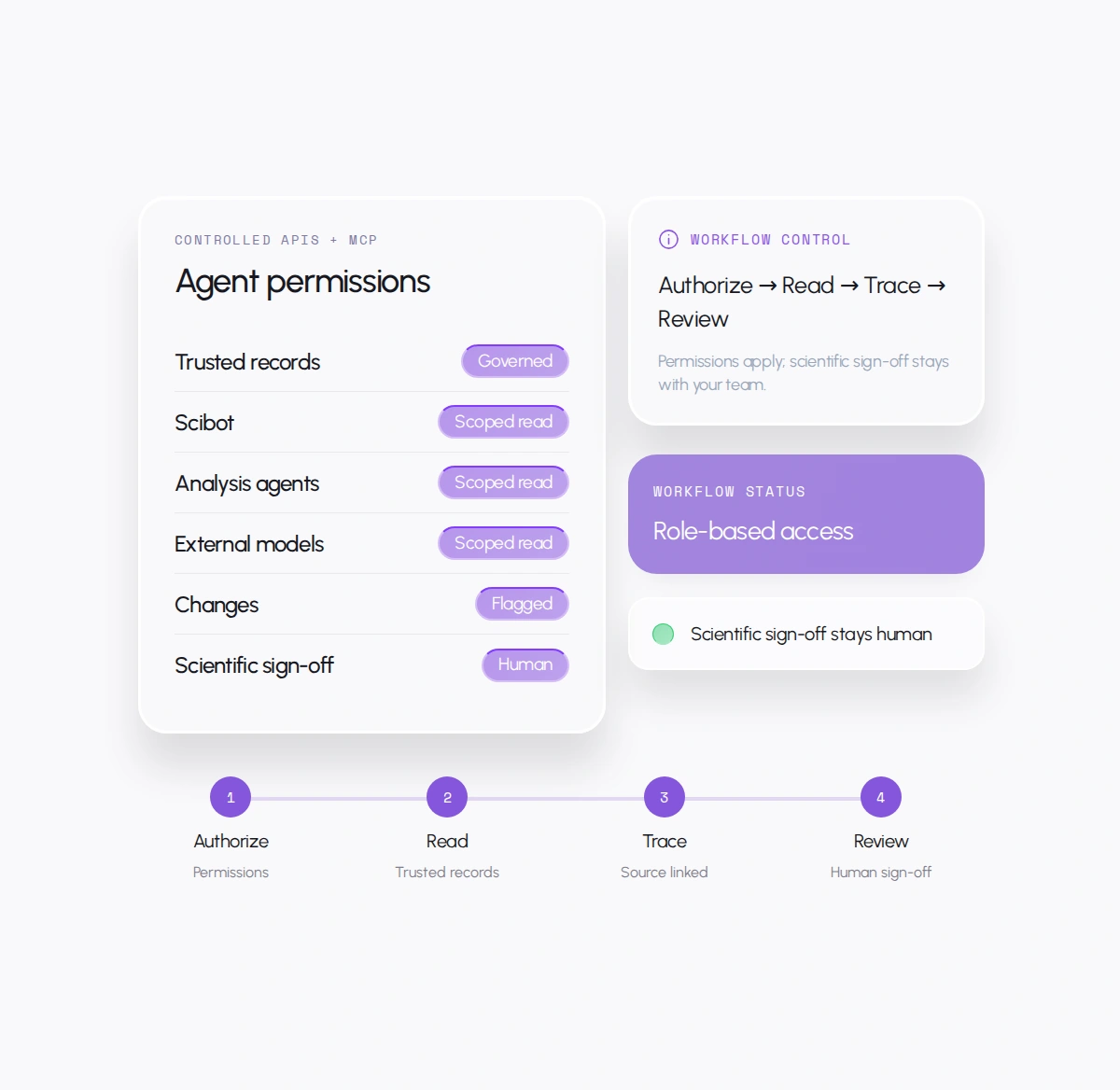
Governed Access for AI Agents
Expose trusted lab data to Scibot, analysis agents, and external models through controlled APIs and MCP with role-based permissions.
Scispot's default posture is to flag, route, and document. AI does not silently alter data or replace scientific sign-off.
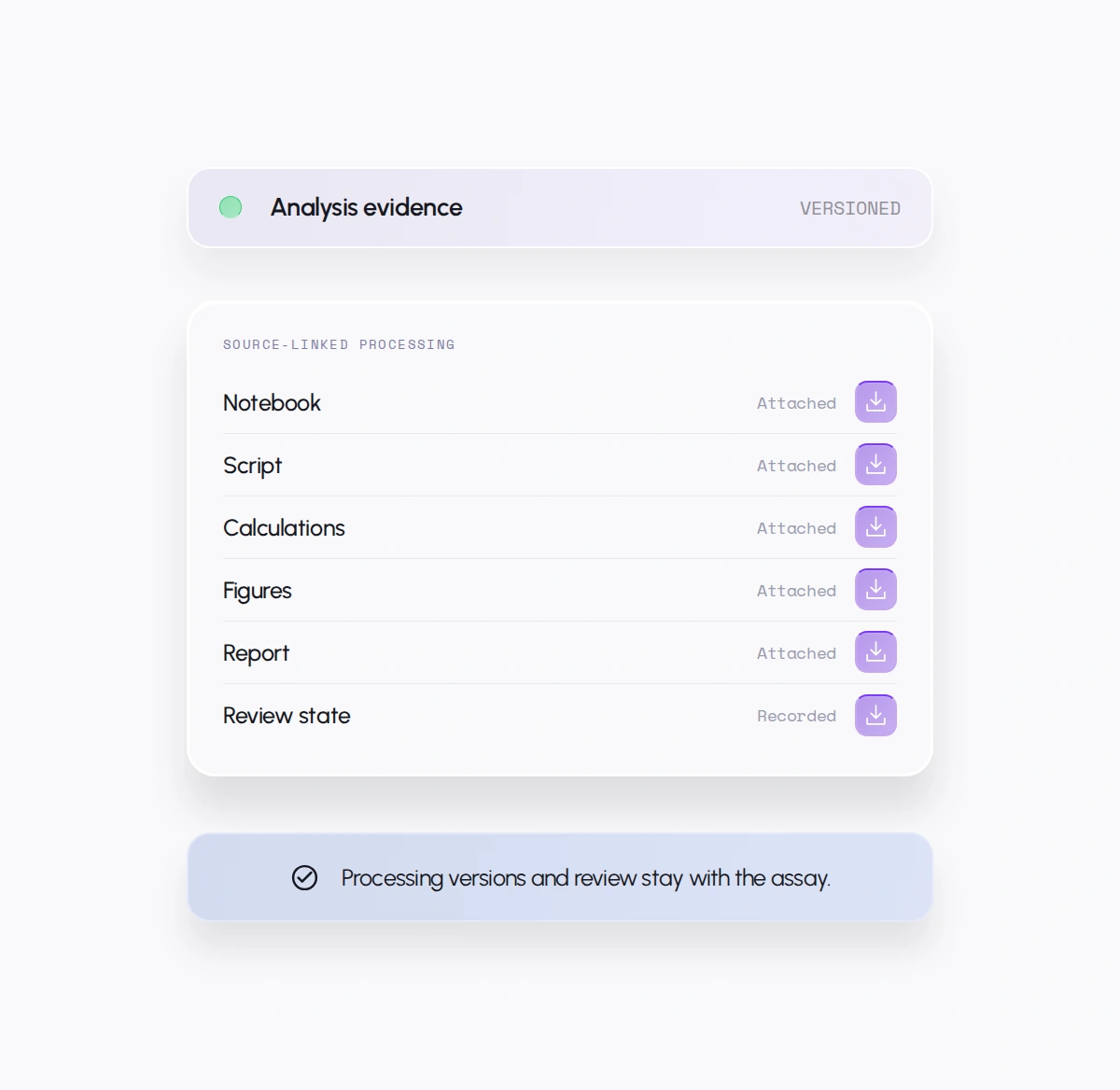
Analysis Linked to Its Source
Keep notebooks, scripts, calculations, figures, and reports attached to assay context, with versioned processing and review states.
Ask Questions Across your lab data,
With governed context.
It does not bypass permissions or replace scientific review.



Why science teams choose Scispot for AI readiness
Data is structured during the work
Metadata, IDs, and scientific context are captured as data arrives, not reconstructed later for an AI project.
Measurably better data quality
In one Biotech's workflow, data-entry errors fell from 15% to 5%, a 3× improvement in data quality.
AI stays inside governed boundaries
Controlled APIs, MCP access, and role-based permissions define what agents and models can see.
Faster processing returns time to your scientists
One Biotech's workflow dropped from 10 hours to under one hour of processing.
Specialists build the data foundation
You work with scientists and engineers who refine your data model and workflows through regular working sessions.
Real-World Applications
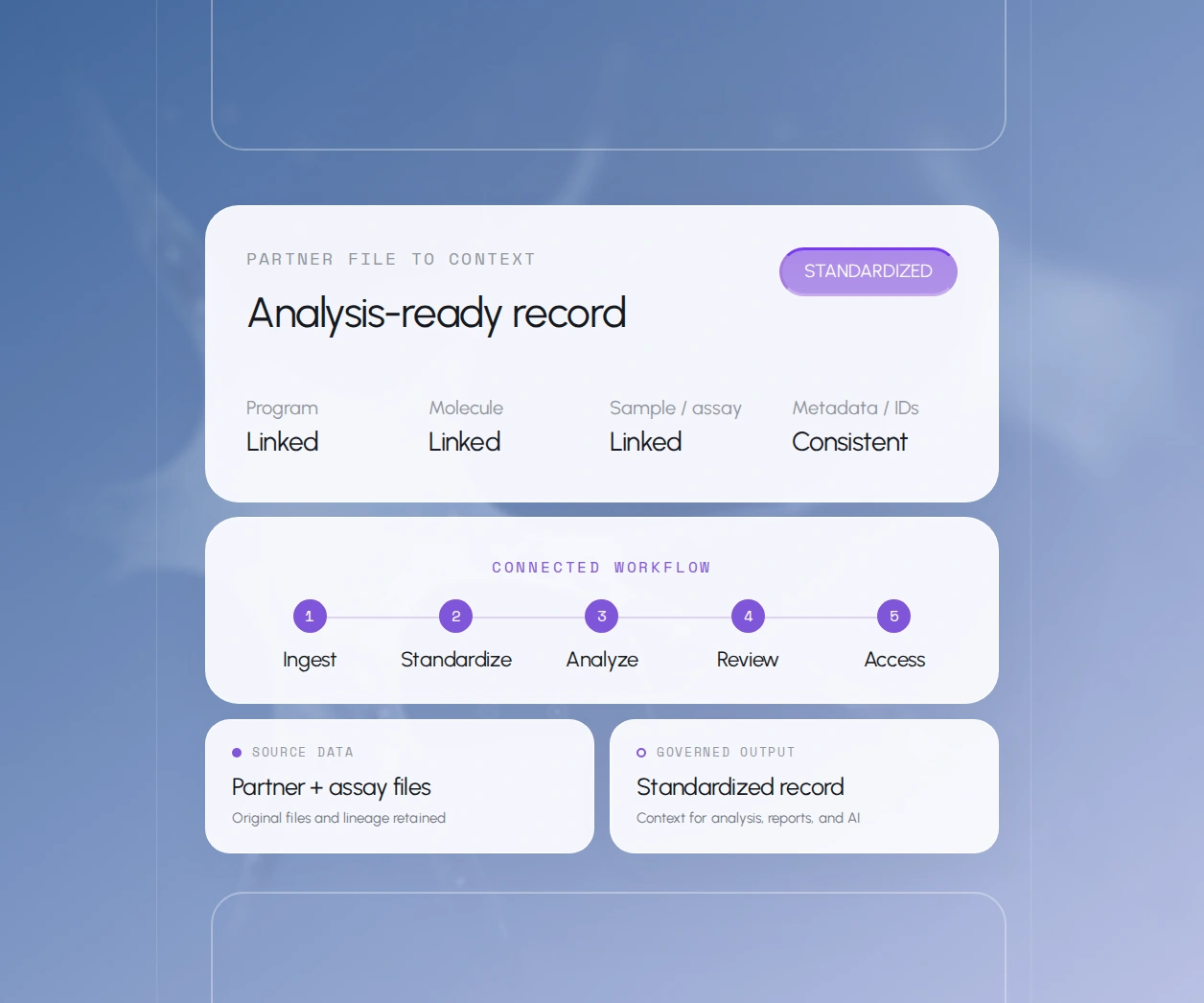
Analysis-ready data ingestion
Partner file → Ingestion pipeline → Standardized record → Analysis → Review → Report → AI access
Turn inconsistent partner and vendor files into standardized records with consistent IDs, metadata, and lineage.
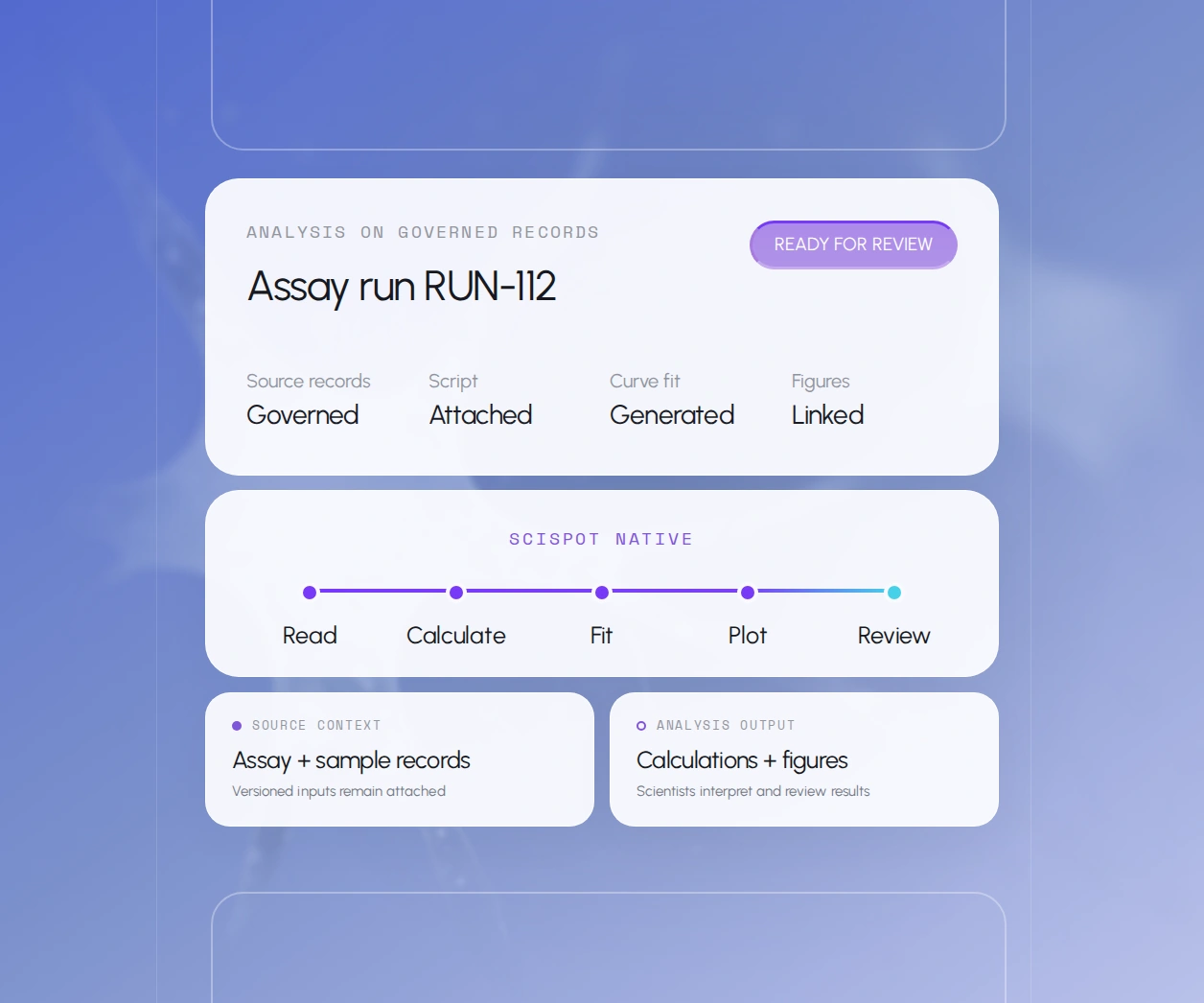
Automated assay analysis
Scripts and AI agents run calculations, curve fits, and figures on governed records instead of spreadsheets.
Scientists move away from manual workflows and spend more time interpreting results and making decisions.
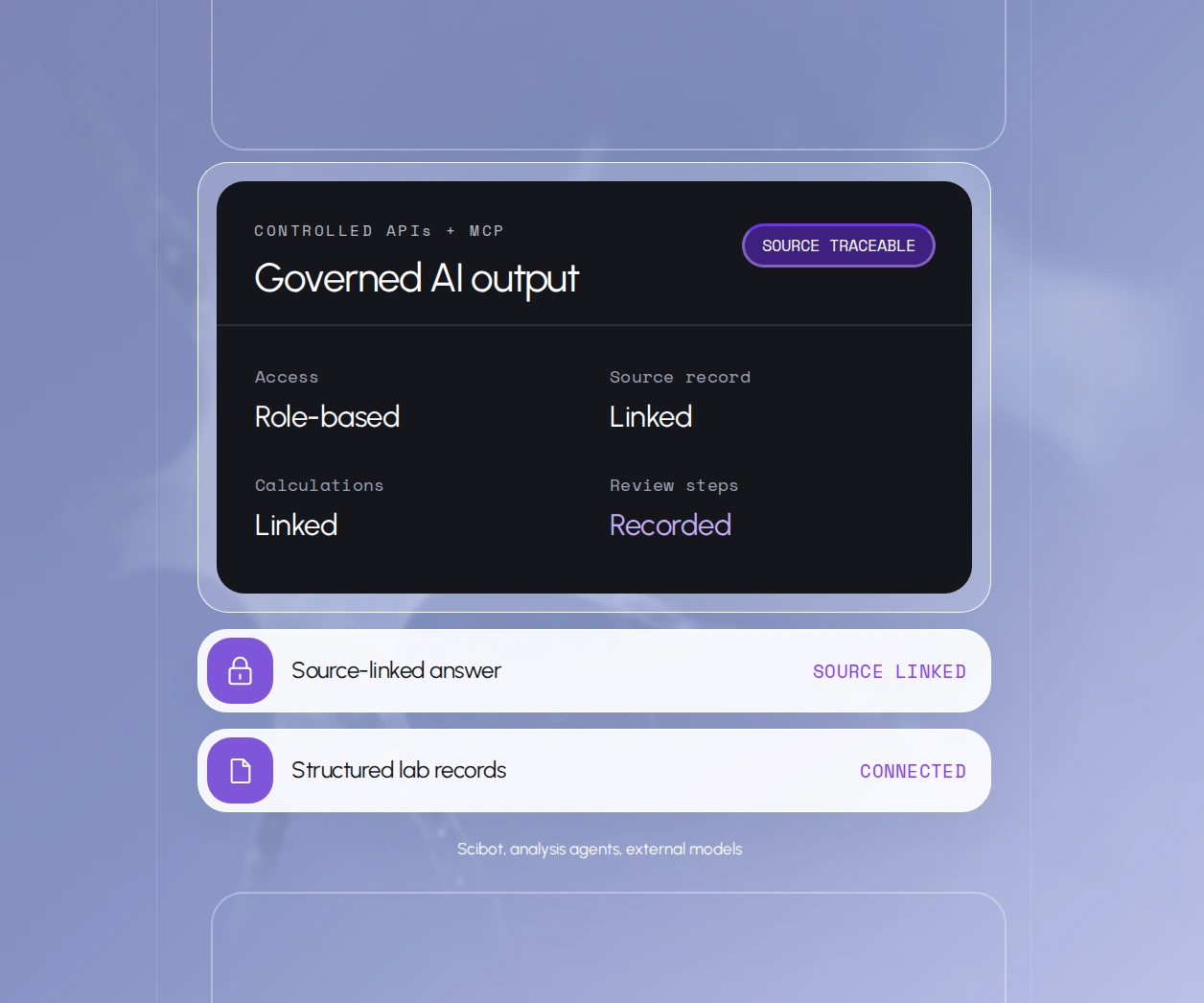
Governed AI access
Connect Scibot, analysis agents, and external models to trusted lab data through controlled APIs and MCP, with outputs traceable to source records.
Frequently asked questions
What does AI-ready lab data mean?
AI-ready data is structured, consistently identified, and connected to its scientific context: the program, sample, assay, method, calculation, and review state behind it. Without that context, models and agents work from incomplete exports and produce answers teams cannot verify.
Which AI models can Scispot use?
Scispot's analysis agents can work with multiple AI models, and governed APIs and MCP let your team connect approved external models and assistants to trusted lab data within defined permission boundaries.
Available models and access depend on your security and data-handling requirements.
Do we have to replace our notebooks, ELN, or analysis tools?
No. Scispot builds a governed data layer around existing operations. Notebooks, scripts, and analysis tools connect to structured records, so teams keep familiar workflows while data becomes reusable.
Where should we start with AI?
Start with the workflow where manual effort is highest. Scispot's AI readiness workshop maps how its data is connected, standardized, governed, and activated, then sets a 30/60/90-day plan with an agreed success metric.
Can AI agents create or change scientific records?
Human review remains the default at decision points. Scispot's agents can query, summarize, chart, flag, and route work, and every action is documented. They do not silently alter data or replace sign-off.
What labs say











Let's map your AI readiness
FAIR data • pipelines • automation
Instruments • ELN/LIMS/SDMS • 200+ connectors
FAIR data • pipelines • automation
Instruments • ELN/LIMS/SDMS • 200+ connectors