




TL;DR
- A laboratory information management system (LIMS) manages laboratory samples, data, workflows, and results in one structured environment.
- LIMS software supports sample tracking, workflow automation, reporting, integrations, and traceability.
- Laboratories use LIMS to reduce manual work, improve data consistency, and support compliance requirements.
- The right LIMS should fit your laboratory's workflows, instruments, data requirements, and plans for growth.
A laboratory information management system (LIMS) helps laboratories manage samples, results, and daily operations with greater consistency. As sample volumes increase and workflows become more complex, LIMS software connects laboratory data, people, and processes in one place.
For laboratories looking to replace disconnected spreadsheets and manual handoffs, a modern LIMS can provide a more structured foundation for growth.
What Is a LIMS?
LIMS stands for Laboratory Information Management System. It is software designed to manage laboratory samples, associated data, testing workflows, and results throughout their lifecycle.
A LIMS typically assigns unique identifiers to samples, records their progress, stores test results, and supports review and reporting. Depending on the platform and configuration, it can also connect laboratory instruments, automate routine tasks, and maintain audit trails.
Difference between LIMS vs LIS
A LIMS generally focuses on sample-centric workflows in research, biotechnology, pharmaceutical quality control, and testing laboratories. A laboratory information system (LIS) typically focuses on patient-centric workflows in clinical and diagnostic settings.
The distinction is not absolute. Some platforms support capabilities from both categories. The best choice depends on your laboratory's operations and reporting requirements.
Learn the difference between LIMS and LIS systems in detail here!
How Does a LIMS Work?
A LIMS connects the steps involved in processing a sample, from receipt to final reporting.
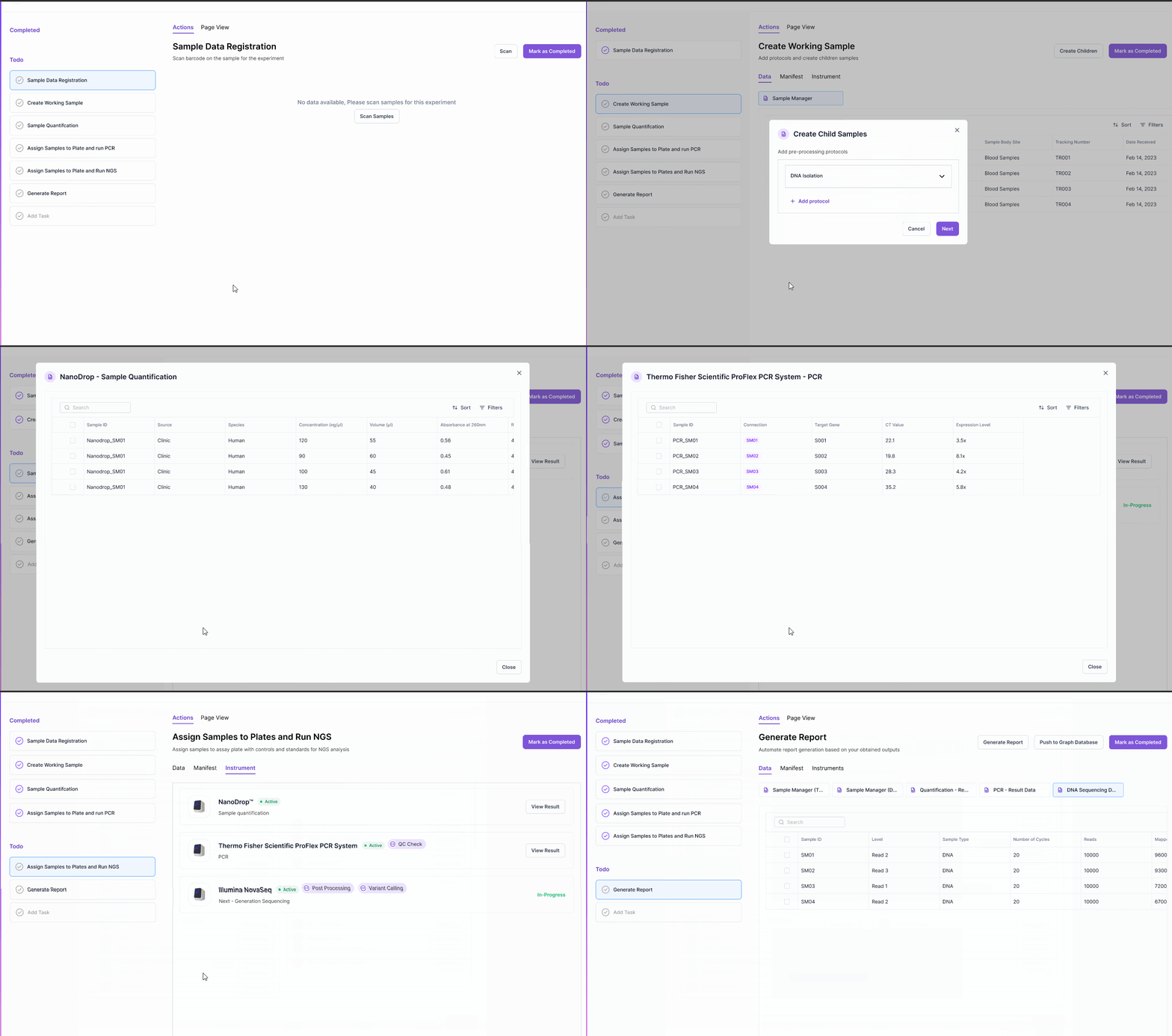
- Sample registration and tracking: Each sample receives a unique identifier, often linked to a barcode. Its location, status, and handling history can be recorded as it moves through the laboratory.
- Testing and results: The system assigns workflows, records test data, and may import results directly from compatible instruments. Configured rules can flag results requiring further review.
- Review and approval: Authorized users review results, document decisions, and approve work according to established procedures.
- Reporting and traceability: The LIMS organizes approved results into reports while maintaining relevant records of sample handling, changes, and approvals.
Connecting these steps reduces manual data transfers and makes it easier to understand what happened to each sample.
Key Features of LIMS Software
LIMS capabilities vary by vendor, but common features include:
1. Sample Management
LIMS systems streamline sample management processes by providing tools for accurate registration, tracking, and organization. This centralized approach allows laboratories to maintain comprehensive records of samples, including their origin, storage location, and associated metadata. LIMS systems also offer features for managing sample storage, including freezer management, ensuring proper storage conditions to preserve sample integrity. Moreover, LIMS systems facilitate proper sample disposal, adhering to regulatory guidelines and promoting responsible waste management practices.
2. Workflow Management
With customizable workflow templates, laboratories can design and implement standardized protocols and procedures tailored to their specific requirements. Automated task assignment and tracking functionalities ensure efficient resource allocation and enable real-time monitoring of workflow progress. Furthermore, LIMS workflows facilitate seamless collaboration among team members, improving communication, coordination, and overall productivity in the laboratory.

3. Data Management
LIMS systems excel in data management by providing a centralized repository for diverse data types generated in the laboratory. This consolidation eliminates scattered storage and enables easy retrieval and analysis. The structured data capture and management capabilities ensure standardized and consistent data entry practices, enhancing data organization and searchability.
4. Instrument Integration
Instrument integration in LIMS systems offers numerous benefits by automating data capture and improving data accuracy. By connecting laboratory instruments directly to the LIMS system, data transfer becomes automated and real-time, reducing manual effort and minimizing errors. LIMS enables the tracking of instrument calibration and maintenance schedules, allowing labs to proactively monitor instrument performance and ensure accurate and precise measurements. As a result, this integration promotes standardized data capture, including instrument-specific information and metadata.
5. Quality Control and Compliance
LIMS systems provide robust quality control and compliance features to ensure adherence to regulatory standards and maintain high-quality data. With built-in quality control mechanisms, labs can validate and verify data accuracy, perform statistical analysis, and generate comprehensive quality control reports. LIMS also enables traceability and audit trails, allowing labs to track and document every step of the testing and analysis process, ensuring data integrity and compliance with regulatory requirements.
6. Reporting
LIMS systems offer comprehensive reporting capabilities that summarize lab activities, test results, and trends. These customizable reports provide stakeholders with valuable insights into productivity, turnaround times, and resource allocation. By generating comprehensive reports and offering data analysis tools, LIMS facilitates effective decision-making, continuous improvement, and data-driven laboratory management.

7. Inventory and Resource Management
LIMS' inventory and resource management features offer laboratories real-time visibility into inventory quantities, enabling proactive procurement and preventing delays in testing and experiments. Automated alerts for low inventory levels ensure a continuous supply of materials, enhancing lab productivity and reducing project interruptions. Furthermore, LIMS systems optimize resource management by tracking the usage of reagents, supplies, and consumables, allowing for better control and informed decision-making.

When evaluating these capabilities, confirm which features are included, which require configuration, and which depend on integrations or additional modules.
Benefits of a LIMS at a Glance
A well-configured LIMS gives labs better sample traceability, less manual data entry, more consistent workflows, stronger data integrity and audit readiness, faster reporting, clearer visibility into operations, and room to scale. How much a lab gains depends on fit and implementation, and software alone doesn't guarantee compliance. For each benefit, and how to measure it, read our guide to the benefits of LIMS.
LIMS software is commonly used in biotechnology research, pharmaceutical quality control, environmental testing, food testing, and other laboratories that need structured sample and data management.
Why Scispot is a Top Choice When You’re Choosing a LIMS in 2026
Scispot is a lab operating system with a native LIMS alongside ELN, LIS, SDMS and QMS apps; you can use its apps or keep your own. It keeps samples, results, workflows and approvals in one structured system, and teams can change fields and steps as their SOPs evolve. It supports audit-ready traceability, role-based access and controlled workflows, and your procedures and validation still determine compliance. , handle structured data capture, and GLUE connects instruments and other data sources.

Conclusion
A LIMS is the system of record for a lab's samples and results. It tracks each sample, structures the work around it and keeps results traceable, which gives a lab a more reliable foundation as volumes grow. To pick one, map your workflows first, then compare systems against them.