%20(1).webp)
TL;DR
- Pathology LIMS software manages specimens, histology workflows, reporting, and interoperability with connected healthcare systems daily.
- Current trends include digital pathology, AI support, cloud access, patient-data security, and tighter lab automation around cases.
- Fragmented tools and slow manual tracking are the operational problems those trends are supposed to solve.
- Scispot unifies LIMS, ELN, automation, digital pathology integrations, and analytics so histology work and reports share one environment.
Pathology LIMS software is the laboratory information system pathology and histology teams use to manage specimens, workflows, and reports. Current trends include digital pathology systems, AI and machine learning support for diagnostic work, cloud deployment for remote access, stronger data security for patient information, and interoperability with other healthcare systems. Labs still struggle when tools are fragmented and automation is limited. A pathology LIMS should reduce manual tracking errors and keep histology work visible from accession to sign-out. Scispot is described as unifying LIMS, ELN, automation, digital pathology integrations, and analytics for those teams.
Digital pathology, cloud, and EMR links
Pathology LIMS technology is transforming the landscape of laboratory management. It is crucial for modern labs seeking efficiency and accuracy.
This technology supports digital pathology systems, enhancing data management and accessibility. It integrates seamlessly with other healthcare systems, improving interoperability.
AI and machine learning are now part of LIMS, boosting diagnostic accuracy and efficiency. These advancements are streamlining pathology workflow optimization, reducing manual errors.
Cloud-based solutions offer scalability and remote access, making them increasingly popular. Enhanced data security features protect sensitive patient information, a top priority for labs.
As pathology LIMS technology evolves, it plays a vital role in lab automation technology. It is essential for pathology lab management and workflow optimization.
Pathology labs adopting these trends often struggle with fragmented tools, slow workflows, and limited automation. This is where Scispot stands out. It unifies LIMS, ELN, automation, digital pathology integrations, and AI-driven analytics in one platform, giving pathology teams a single environment to manage samples, track histology workflows, and generate audit-ready reports. Scispot’s modern architecture removes the friction that legacy systems introduce, helping labs adapt quickly to new diagnostic technologies.
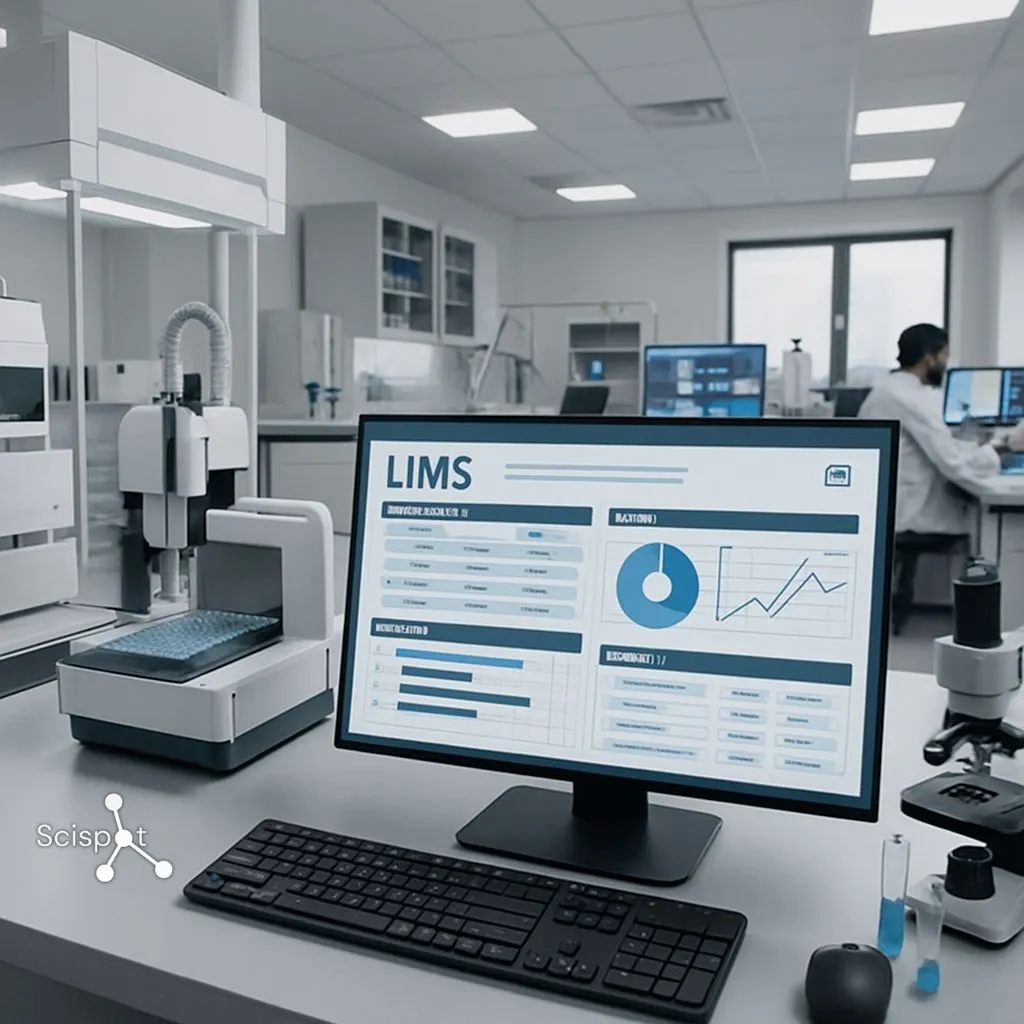
Understanding Pathology LIMS Technology: The Foundation of Modern Labs
Laboratory Information Systems (LIMS) are the backbone of modern pathology labs. They streamline workflows and enhance data integrity. These systems automate processes, reducing errors and improving efficiency in lab operations.
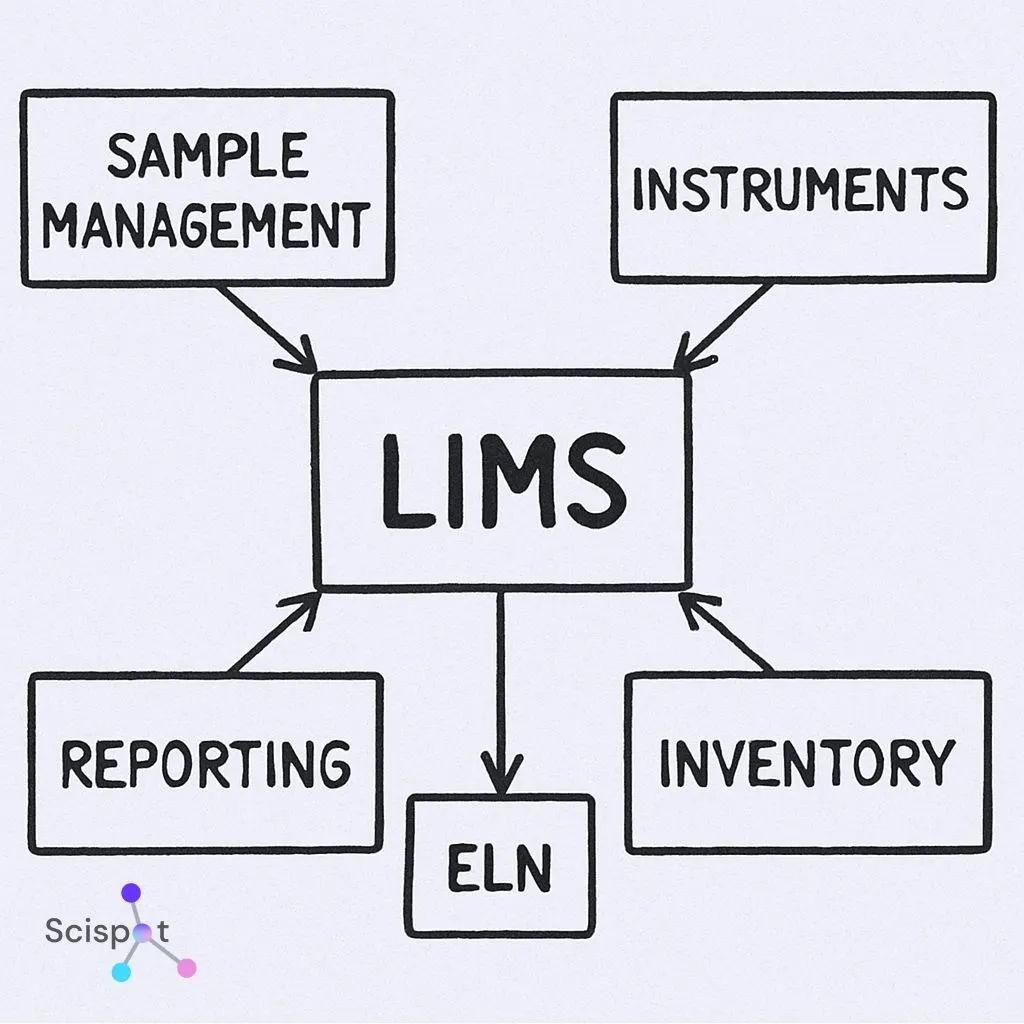
Pathology LIMS technology supports diverse functions:
- Specimen tracking and management
- Automated reporting and documentation
- Integration with lab instruments
The adoption of pathology LIMS software provides significant benefits. It optimizes resource allocation and supports quality assurance standards. Labs can handle larger data volumes, essential for today's complex diagnostics.
The foundation of LIMS technology lies in its adaptability. Labs leverage this for customized solutions, meeting unique needs across disciplines. Consequently, pathology labs can improve their operations and achieve better patient outcomes.
As labs demand customizable and scalable systems, Scispot offers a flexible model that adapts to each lab’s pathology, histology, or cytology workflows. Its strength lies in how seamlessly it integrates instruments, imaging systems, and automation rules while keeping data structured and compliant. This combination helps labs reduce turnaround times, improve accuracy, and standardize processes without forcing rigid templates or costly custom builds—something many traditional LIMS platforms still struggle with.
Key Trends Shaping Pathology LIMS Software in 2026
The evolution of pathology LIMS software in 2024 is marked by several transformative trends. These trends are reshaping how labs operate, streamline processes, and enhance patient care.
Firstly, interoperability with healthcare systems is crucial. Pathology LIMS technology now integrates smoothly with EMRs and other hospital systems. This facilitates real-time data exchange and seamless information flow.
Emerging technologies like AI and machine learning are increasingly embedded in LIMS solutions. These advancements enhance diagnostic accuracy and automate complex data analyses. As a result, pathologists can make more informed decisions rapidly.
Additionally, the rise of user-friendly interfaces is enhancing system adoption. Customizable dashboards allow practitioners to access relevant data easily. This shift empowers pathologists with powerful analytics at their fingertips.
Key trends include:
- AI and machine learning integration
- Interoperability with healthcare systems
- Customizable, user-friendly interfaces
The ongoing innovation in LIMS software promises to further optimize laboratory workflows. Such advancements ensure labs remain equipped to meet both current and future challenges.

Integration with Digital Pathology Systems and Imaging
The integration of pathology LIMS technology with digital pathology systems is revolutionizing diagnostics. This synergy facilitates precise imaging analysis and speeds up diagnosis.
Digital imaging advancements are playing a pivotal role. LIMS software that incorporates high-resolution images directly into reports enhances the accuracy of histological evaluations. This leads to better clinical outcomes.
The integration supports seamless data flow between imaging equipment and laboratory information systems. This ensures pathologists have immediate access to vital visual data, improving workflow efficiency.
Benefits of integration include:
- Improved diagnostic accuracy
- Enhanced workflow speed
- Seamless data access
Innovations in imaging and LIMS integration continue to transform pathology labs. Ultimately, these advancements bolster the precision and speed of clinical diagnoses.

AI, Machine Learning, and Lab Automation Technology in Pathology LIMS
AI and machine learning are transforming pathology LIMS technology. These advancements boost diagnostic precision and streamline lab tasks.
Machine learning algorithms analyze vast datasets quickly. This leads to more accurate predictions and personalized care. Tasks like image analysis become faster and more reliable with AI.
Lab automation technology is another vital trend. It reduces repetitive manual processes and minimizes errors, enhancing productivity. Automation leads to better resource management, allowing labs to focus on complex analyses.
Advantages of these technologies include:
- Enhanced diagnostic accuracy
- Reduced manual tasks
- Improved resource management
Together, AI, machine learning, and automation revolutionize pathology LIMS. These technologies enhance lab operations and pave the way for groundbreaking discoveries.

Cloud-Based Solutions and Mobile Access for Pathology Lab Management
Cloud-based solutions are reshaping how pathology labs operate. They offer scalability and ease of access to vital data from anywhere. These systems support collaboration across various locations.
Mobile access is another game-changer. Pathologists can now manage tasks on the go, ensuring faster decision-making. Real-time data access through mobile apps offers unmatched convenience.
Key benefits of these advancements include:
- Greater scalability
- Improved accessibility
- Enhanced collaboration
Together, cloud-based solutions and mobile access empower labs. They provide the tools necessary for efficient management and global collaboration. Pathology labs can now harness the power of mobility and cloud to streamline operations.

Enhancing Pathology Workflow Optimization and Data Management
Pathology workflow optimization is crucial for laboratory efficiency. Leveraging advanced LIMS technology can reduce errors and improve sample tracking. Enhanced data management leads to more accurate results and faster turnaround times.
Recent LIMS enhancements focus on streamlining processes. Automation eliminates repetitive tasks, allowing staff to focus on more complex analyses. Improved data integration within LIMS systems supports seamless information flow.
Benefits of optimized workflows include:
- Reduced manual intervention
- Increased accuracy
- Faster processing times
With these improvements, pathologists can achieve more with less effort. Streamlined workflows enhance the overall efficiency of pathology labs. Advanced LIMS technology is pivotal in transforming traditional lab environments into efficient, data-driven operations.

Security, Compliance, and Data Integrity in Modern LIMS for Pathology
Security is paramount in pathology LIMS technology. Protecting sensitive patient data is crucial for maintaining trust. Advanced security features in LIMS ensure only authorized personnel access this information.
Compliance with regulations is also essential. LIMS systems must meet stringent standards to avoid penalties. Regular updates and audits help labs adhere to these requirements.
Key focus areas include:
- Data encryption
- Role-based access control
- Compliance with industry standards
Data integrity is vital for accurate patient care. LIMS systems use robust methods to maintain data quality. This ensures reliable results and informed decisions in clinical settings.
The Future of Pathology LIMS: Personalization, Analytics, and Beyond
The future of pathology LIMS is exciting and transformative. With advancements in technology, these systems are evolving rapidly. Personalization is at the forefront, tailoring solutions to specific lab needs.
Advanced analytics are becoming integral to LIMS. They provide deeper insights and enhance decision-making. This shift is critical for improving patient outcomes.
Key future trends include:
- Integration with genomics data
- Use of big data analytics
- Adoption of IoT for enhanced connectivity
Scispot for Pathology Labs: Unified LIMS, Integrations, and Audit-Ready Compliance
Scispot is already enabling what many labs consider “the future” of pathology. Features like AI-powered QC checks, automated data ingestion from imaging systems, cloud-ready workflows, and real-time dashboards allow labs to shift from manual oversight to intelligent, continuous monitoring. This future-forward approach ensures pathology teams spend less time managing systems and more time interpreting meaningful insights—making Scispot the preferred foundation for labs preparing for the next generation of digital diagnostics.
As these trends unfold, pathology LIMS technology will continue to redefine lab management, fostering innovation and progress.
Conclusion: Embracing Innovation in Pathology LIMS Technology
Pathology LIMS technology is evolving fast. The shift toward digital pathology, smoother interoperability, and cloud access is changing how labs run and scale.
Scispot is a stronger option than many legacy-first stacks because it combines integration (GLUE lists 200+ instrument integrations) with audit trails and e-signatures designed to align with FDA 21 CFR Part 11, where secure time-stamped audit trails are a core requirement. This “one system” setup can reduce handoffs, and lower error risk, versus toolchains that bolt integrations and compliance on later. As these trends unfold, Scispot gives pathology teams a more scalable base for traceable workflows, faster reviews, and audit-ready reporting.