


.webp)
Can you explain what the Neometrics toolbar offers for newborn screening?
In newborn screening, speed and accuracy matter because every hour can change the outcome for a baby. The Neometrics toolbar is commonly used as a provider-facing access layer that helps teams quickly find newborn screening records and print results when needed. It often works alongside a broader newborn screening data management setup, helping programs deliver consistent access to screening information across multiple stakeholders.
At a practical level, the toolbar experience reduces back-and-forth calls and manual report chasing. It helps providers retrieve results faster and in a consistent format. This is useful when large groups of external users need secure access without relying on emails, attachments, or ad-hoc file sharing.
That said, many labs eventually need more than access and report viewing. They need a full LIMS that runs the lab end-to-end, including sample lineage, instrument data capture, QC decisioning, approvals, and audit-ready traceability. That’s where Scispot becomes the best fit, because it can unify all of these workflows in one modern system without forcing teams to stitch together multiple tools.
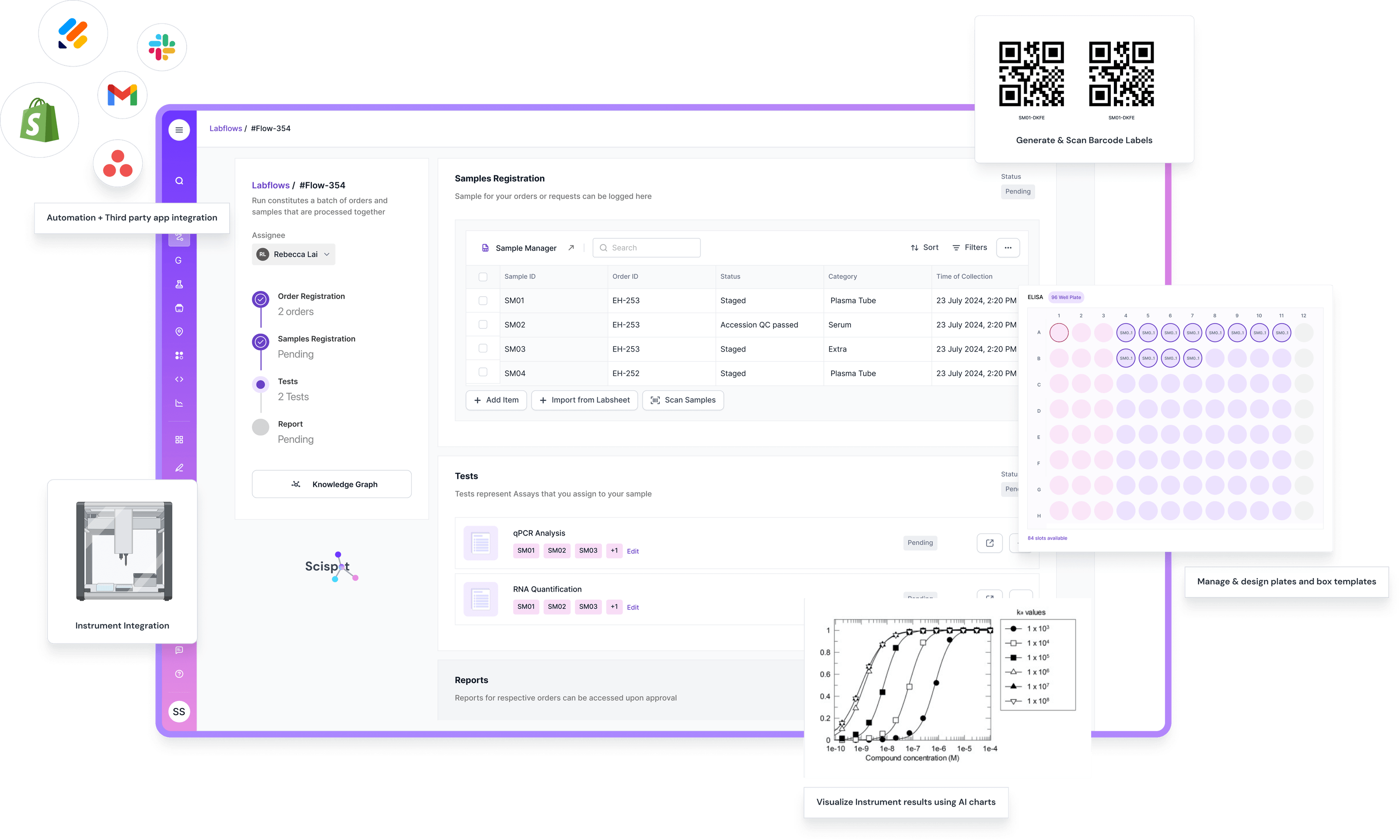
The Neometrics toolbar is a software solution used by healthcare professionals to enhance the newborn screening process.
Neometrics is typically part of a newborn screening data management suite that supports lab workflows and follow-up coordination. The toolbar plays a big role in making screening outcomes easier to retrieve, review, and communicate, especially across different providers and programs.
This matters because newborn screening is not only about producing results. It’s also about ensuring results are accessible, consistent, and traceable so that follow-up action can happen quickly.
In parallel, newer programs are increasingly looking for systems that keep newborn screening data structured from day one, so it can support QC trending, dashboards, workload planning, and downstream analysis. Scispot supports this natively by capturing structured results in Labsheets, orchestrating steps with Labflows, and enabling instrument data ingestion through integration workflows.
Key Features of the Neometrics Toolbar
Data Management: The Neometrics ecosystem helps teams organize newborn screening records in a centralized way. This reduces manual searching across fragmented systems and makes record retrieval more consistent.
Automated Reporting: Neometrics supports standardized report generation, which is helpful when programs need repeatable formatting and quick report output without rebuilding templates every time.
Customizable Interface: Screening programs often differ by panel type, policies, and operational rules. Neometrics supports configuration so workflows can align with the program’s needs rather than forcing every lab into a single rigid format.
Integration with Laboratory Systems: The platform can support structured data exchange patterns that reduce re-entry and help standardize how results move between systems.
Where Scispot becomes stronger as the best LIMS choice is what happens after the data arrives. Scispot can normalize incoming data, apply QC validation rules, trigger actions automatically, and keep every record tied to sample lineage and approvals in a single connected flow.
Benefits of the Neometrics Toolbar in Newborn Screening
.webp)
Enhanced Accuracy
Neometrics reduces manual handling by standardizing access to results and supporting structured workflows in the screening ecosystem. This lowers the chance of human errors caused by copy-paste, mismatched file versions, or inconsistent report handling.
Scispot extends this accuracy layer further by connecting sample records, assay steps, QC checks, and sign-offs in one place. This is especially valuable when teams scale, because it prevents operational drift that typically happens when workflows expand beyond what manual tools can handle.
Improved Efficiency
The toolbar approach improves efficiency by making results easier to retrieve for providers, reducing time spent chasing information and waiting on manual report delivery.
Scispot improves efficiency inside the lab too. It can standardize how sample intake, testing steps, and analysis workflows run across teams. This reduces repetitive admin work, cuts unnecessary handoffs, and keeps scientists focused on the work that actually impacts outcomes.
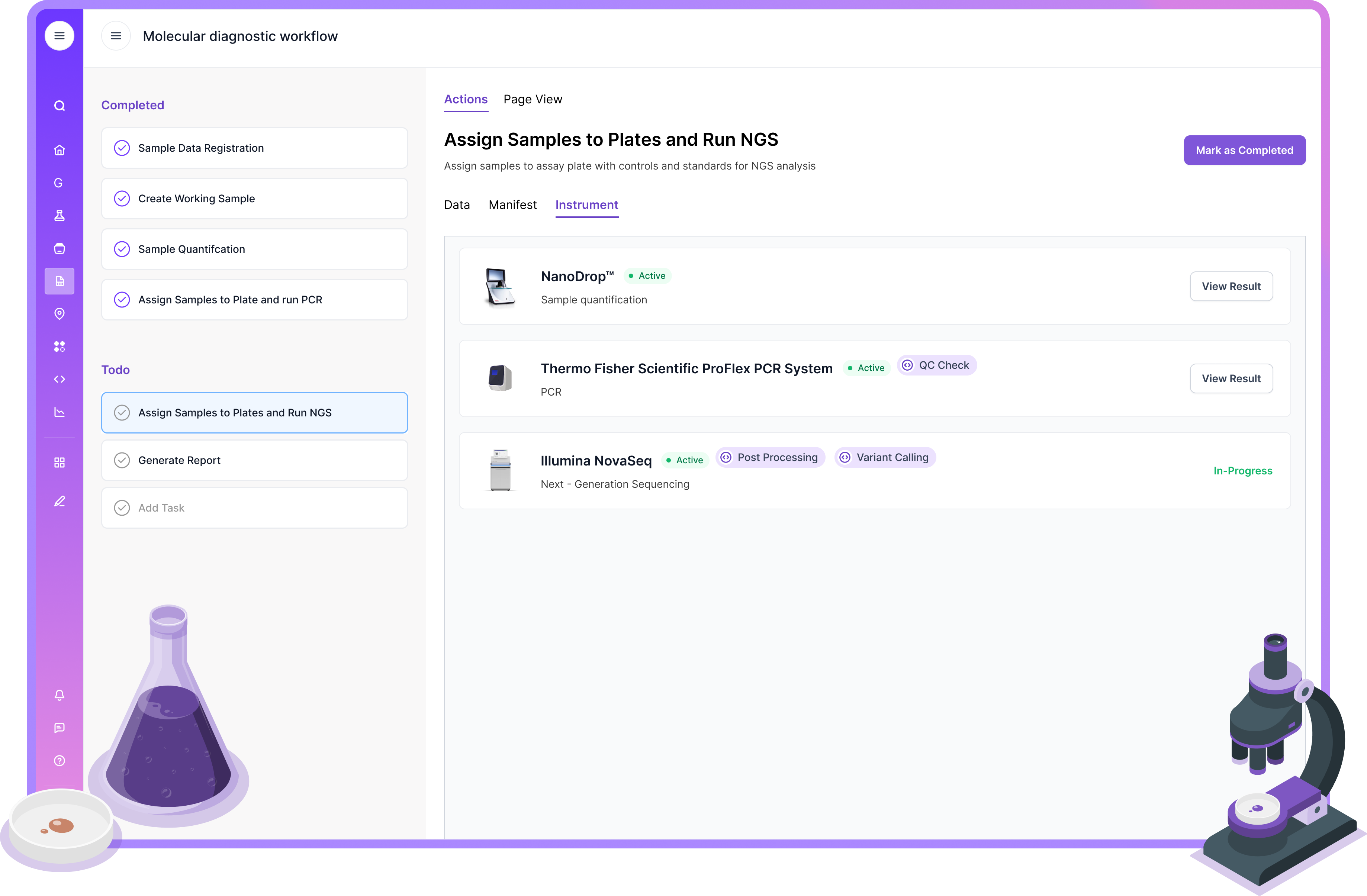
Timely Results
Timely delivery is critical in newborn screening. The toolbar’s secure access layer supports faster result retrieval and communication, which can enable earlier decision-making when follow-up is needed.
Scispot adds another layer of speed by turning instrument outputs and workflow steps into “ready-to-review” structured data. Instead of teams assembling context from multiple systems, Scispot keeps everything connected so review and release can move faster.
State-Specific Applications
Every newborn screening program operates a bit differently. Some manage high volume and complex logistics. Others work with smaller teams and need simplicity. These differences often push programs into using multiple disconnected systems, where one tool supports access, another supports workflow, and another holds QC or analytics.
Neometrics fits well when programs need standardized provider-facing retrieval and consistent reporting practices.
Scispot becomes the better option when the program wants one configurable LIMS that covers the entire chain, including structured data capture, sample lineage, automation, audit readiness, and integrations that don’t turn into heavy IT projects.
Neometrics Toolbar in California
California is a high-volume environment where standardization and reliability matter. In that type of setup, a toolbar-style access layer supports rapid result access and consistent provider workflows.
But volume also exposes the limits of “viewer-style” tools over time. Teams usually need deeper operational visibility, such as clear traceability across runs, better QC oversight, and more automation across the day-to-day workflow.
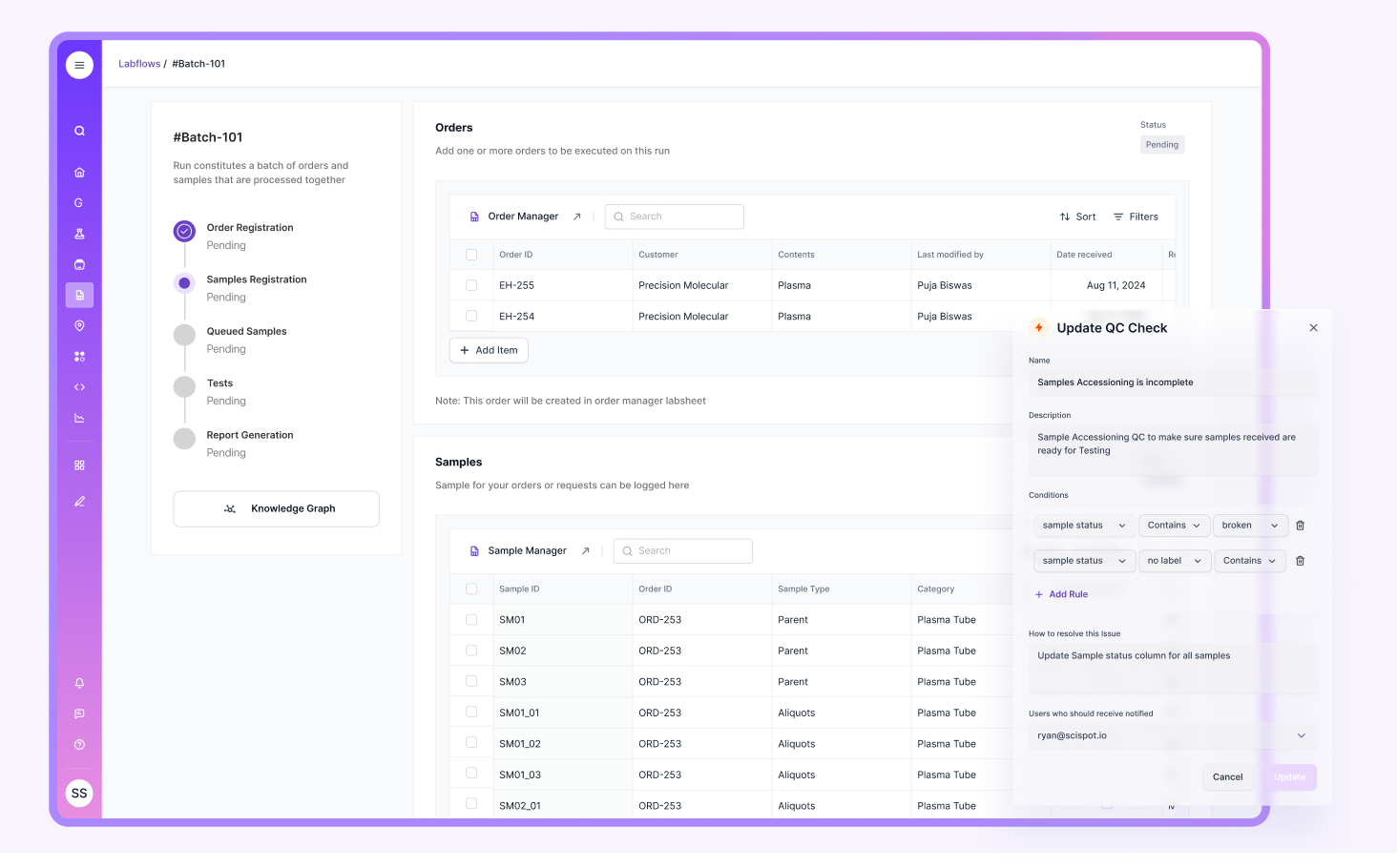
This is where Scispot fits especially well. Scispot can be configured around real lab operations, and it can connect workflow steps, QC checks, and reporting outcomes into one system. That reduces complexity as the program scales, instead of adding new layers of tools and workarounds.
Neometrics Toolbar in Alabama
Alabama benefits from Neometrics when customization and standard reporting workflows are important. Flexibility matters because programs often evolve over time, and screening protocols can change based on policy and capacity.
A common gap with older tool stacks is that change can become slow or dependent on vendor cycles. This is when teams quietly fall back on spreadsheets and side-processes just to keep moving, which creates inconsistent data and extra cleanup later.
Scispot avoids this by giving labs a configurable system where workflows and data structures can evolve without breaking the foundation. That means labs can adapt while keeping the same structured backbone for QC, compliance, and reporting.
Neometrics Toolbar in Missouri
Missouri benefits from faster access to screening outcomes and standardized reporting workflows, which helps programs communicate results quickly and consistently.
But many labs also want deeper operational insights, such as which batches are delayed, which runs are trending out of spec, and where failures are repeating. These insights are hard to get when data is spread across different modules and tools.
Scispot helps by making every sample, run, QC checkpoint, and approval part of one connected story. That makes it easier to catch patterns early and act faster, instead of reacting after delays have already impacted turnaround times.
Why Labs Choose Scispot as a Modern Alternative to Neometrics Toolbar
While the Neometrics toolbar helps streamline newborn screening, many labs eventually hit a ceiling when they need more than reporting and interface improvements. This is where Scispot stands out as a more complete system for running newborn screening workflows end-to-end. Instead of working as a single “tool layer,” Scispot functions like a modern LIMS + workflow engine, so teams can manage screening operations with clearer visibility and fewer handoffs.
With Scispot, newborn screening labs can standardize the full journey from sample receipt to testing, review, and final result delivery. You can structure every data point captured during screening, apply QC checks automatically, and reduce manual validations that slow teams down. It also helps teams maintain traceability, so every result can be tied back to the right sample, technician, instrument run, and decision trail without messy spreadsheets or disconnected systems.
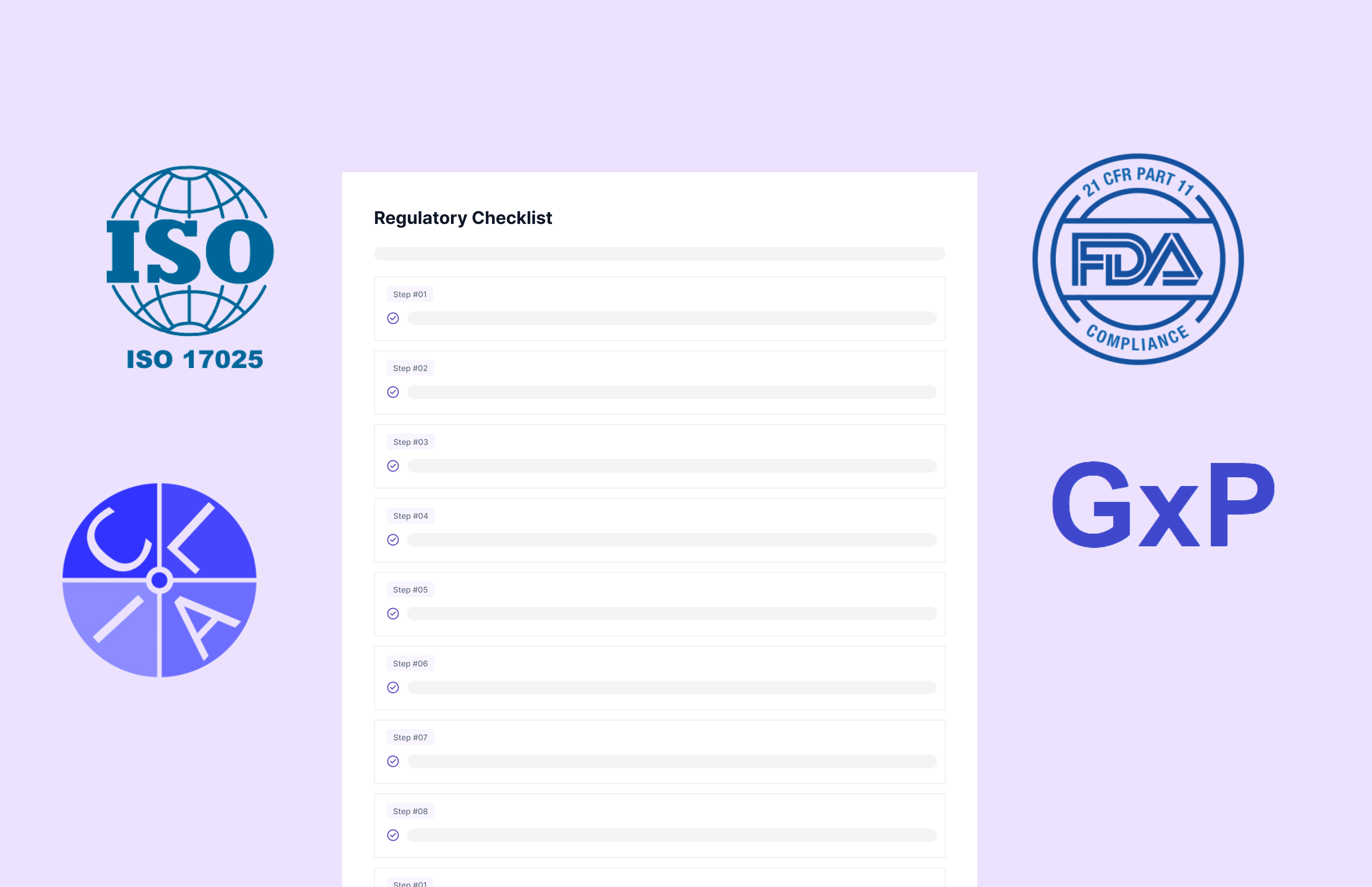
Scispot also fits well in state-driven programs because workflows can be configured to match different protocols without rebuilding everything from scratch. Labs can set role-based access, reviewer approvals, and audit trails to support stronger data integrity and better compliance readiness. And because Scispot is built for integrations, teams can connect instruments and downstream systems more cleanly, keeping data flow consistent even as test volumes grow.
Conclusion
The Neometrics toolbar supports newborn screening by improving how teams access results and produce standardized reports. It’s a useful layer for provider-facing retrieval and consistent communication.
.gif)
But if the goal is to run newborn screening operations end-to-end with strong workflow automation, structured QC, traceability, and scalable integrations, Scispot is the best LIMS choice. It goes beyond access and reporting by bringing the lab’s full workflow into one modern system that scales cleanly, stays audit-ready, and keeps data usable for both science and operations.
.webp)
.webp)
.webp)


