



.webp)
TL;DR
- LIMS implementation can improve laboratory efficiency, data management, sample tracking, and workflow automation, but requires careful planning.
- Common challenges include data migration, system integration, user resistance, customization, validation, training, and budget overruns.
- A successful implementation starts with a clear plan covering requirements, workflow mapping, migration, integrations, testing, validation, training, and go-live support.
- Choosing a flexible LIMS and involving users early can help reduce implementation risks, improve adoption, and maximize long-term value.
Ready to simplify your LIMS implementation?
Book a DemoA Laboratory Information Management System (LIMS) can transform laboratory operations by improving sample tracking, automating workflows, and strengthening compliance. However, even the best LIMS can fail to deliver value if implementation challenges are not addressed early.
Many laboratories assume software selection is the hardest part of the journey. In reality, implementation is where most risks emerge. Poor planning, unclear requirements, resistance to change, and integration issues can derail projects, increase costs, and reduce user adoption.
This guide explores the most common LIMS implementation challenges and provides practical strategies to overcome them.
Why LIMS Implementations Become Challenging
A LIMS affects nearly every aspect of laboratory operations, including:
- Sample management
- Testing workflows
- Instrument connectivity
- Reporting
- Compliance documentation
- Quality processes
Because the system touches so many stakeholders and workflows, implementation becomes both a technology project and an organizational change initiative. Laboratories that focus only on software often underestimate the process and people challenges involved.
Multiple Stakeholders Create Complexity
Implementation typically involves:
- Laboratory managers
- Scientists
- Quality teams
- IT departments
- Compliance teams
- External vendors
Each group has different priorities, making alignment critical for project success.
Compliance Requirements Add Additional Layers
Regulated laboratories often require:
- Validation documentation
- Audit trails
- Electronic signatures
- User access controls
- Data integrity controls
These requirements increase implementation effort and testing complexity.
What challenges might I face during LIMS implementation and how can I overcome them?
Implementing a Laboratory Information Management System (LIMS) can be a transformative move for laboratories, enhancing data management, streamlining workflows, and improving overall efficiency. However, like any significant change, it comes with its own set of challenges. Understanding these potential hurdles and knowing how to address them can be key to a successful LIMS implementation. In this article, we'll explore common challenges you might encounter and provide practical solutions to overcome them.
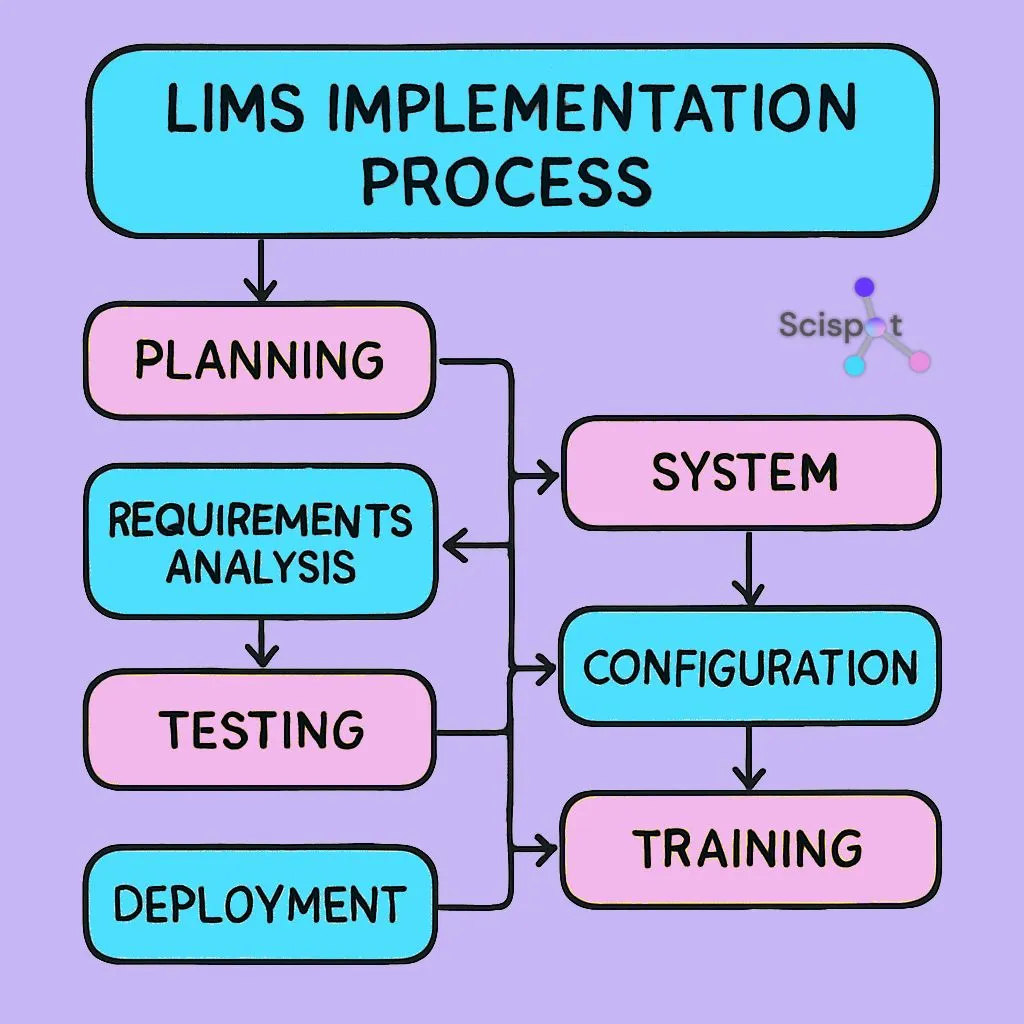
Before diving into the challenges, it's essential to understand what a LIMS is and why it's important. A LIMS is a software system designed to manage laboratory data and optimize laboratory operations. It helps in tracking samples, managing associated data, and ensuring compliance with industry standards.
The Benefits of Laboratory Information Management System
LIMS offers numerous benefits, including improved data accuracy, better sample tracking, enhanced efficiency, and the ability to easily share and access data. These advantages make it an invaluable tool for laboratories of all sizes.
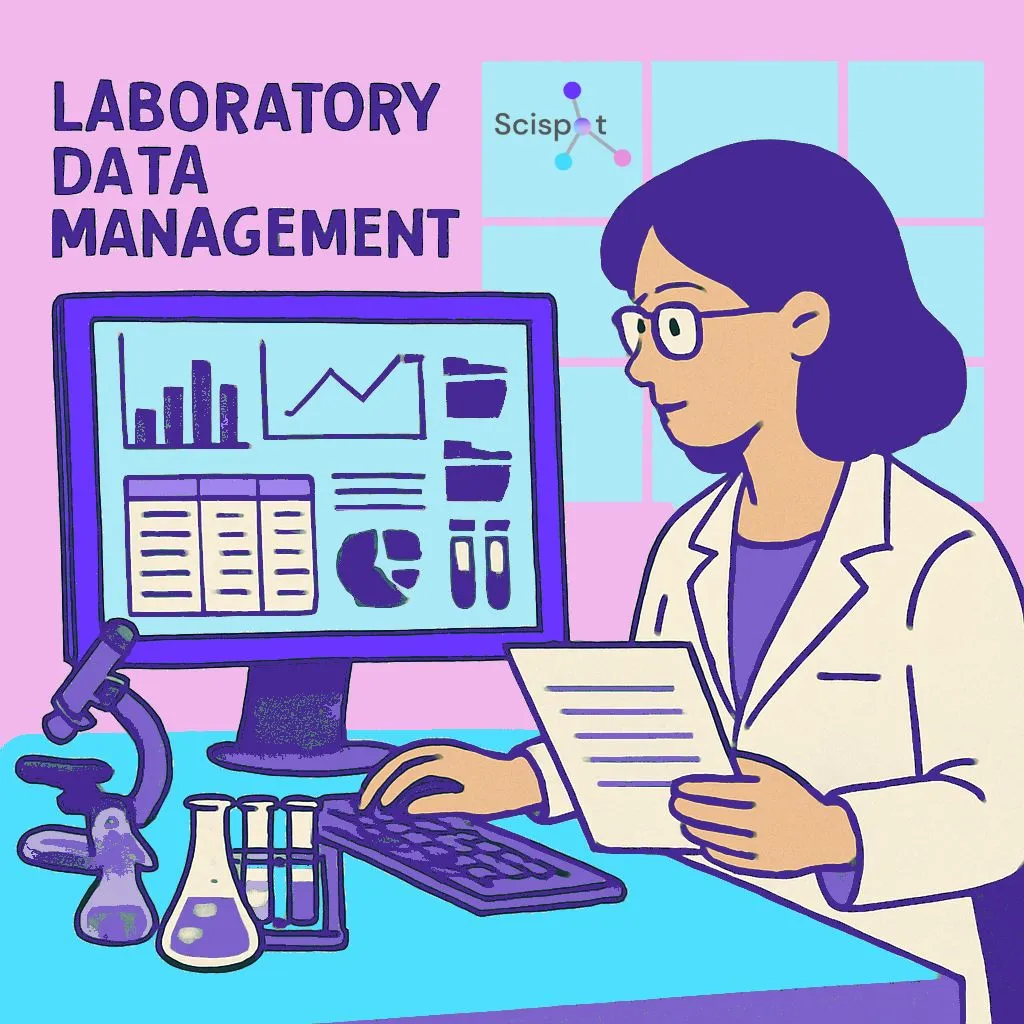
Common Challenges in LIMS Implementation
While the benefits of LIMS are clear, the path to implementation can be fraught with challenges. Here are some common issues you might face:
1. Resistance to Change
One of the most common challenges is resistance to change. Laboratory staff may be accustomed to existing processes and hesitant to adopt new systems.
Solution
To overcome resistance, involve staff early in the process. Educate them about the benefits of LIMS and how it will make their work easier. Provide comprehensive training and support to ensure they feel comfortable with the new system.
2. Data Migration Issues
Migrating existing data to a new LIMS can be complicated. There's a risk of data loss or corruption if not done correctly.
Solution
Plan your data migration carefully. Conduct a thorough audit of existing data and develop a detailed migration strategy. Consider hiring experts if necessary, and always back up data before beginning the migration process.
3. System Integration Challenges
Integrating LIMS with existing systems and instruments can be another significant challenge. Compatibility issues can arise, leading to disruptions in operations.
Solution
Choose a LIMS that offers flexibility and compatibility with your current systems. Work closely with your LIMS provider to ensure seamless integration. Test the integration thoroughly before full-scale implementation to identify and resolve any issues.
4. Customization Needs
Each laboratory has unique processes and requirements, which means a one-size-fits-all LIMS may not meet all your needs.
Solution
Work with your LIMS provider to customize the system according to your specific requirements. Prioritize essential customizations that align with your laboratory's goals and workflows. Keep in mind that excessive customization can complicate future upgrades.
5. Budget Constraints
Implementing a LIMS can be costly, and budget constraints might pose a challenge.
Solution
Develop a clear budget plan from the outset. Consider the total cost of ownership, including initial setup, training, and ongoing maintenance. Look for a LIMS provider that offers a scalable solution to match your budgetary constraints.

Scispot: The Best Solution for Overcoming LIMS Implementation Challenges
Scispot stands out as the best solution for addressing the common challenges faced during LIMS implementation. One key advantage of Scispot is its flexibility and ease of integration with existing systems and instruments, which tackles the issue of system compatibility. Many labs struggle with integrating new LIMS solutions into their established workflows, but Scispot is designed to integrate seamlessly, ensuring minimal disruption. Additionally, its customization capabilities make it an ideal choice for laboratories with unique processes, as it can be tailored to meet specific needs without excessive complexity or hindrance to future upgrades.
Another major challenge in LIMS implementation is data migration. Migrating legacy data without corruption or loss can be a daunting task, and Scispot offers robust data migration strategies, supported by a detailed audit process and expert assistance. By ensuring smooth data transfers and comprehensive backup protocols, Scispot minimizes the risk of errors during this critical phase. With a scalable pricing model, Scispot also helps labs stay within budgetary constraints, offering a cost-effective solution that grows with your lab’s needs, all while maintaining top-notch customer support throughout the implementation journey.
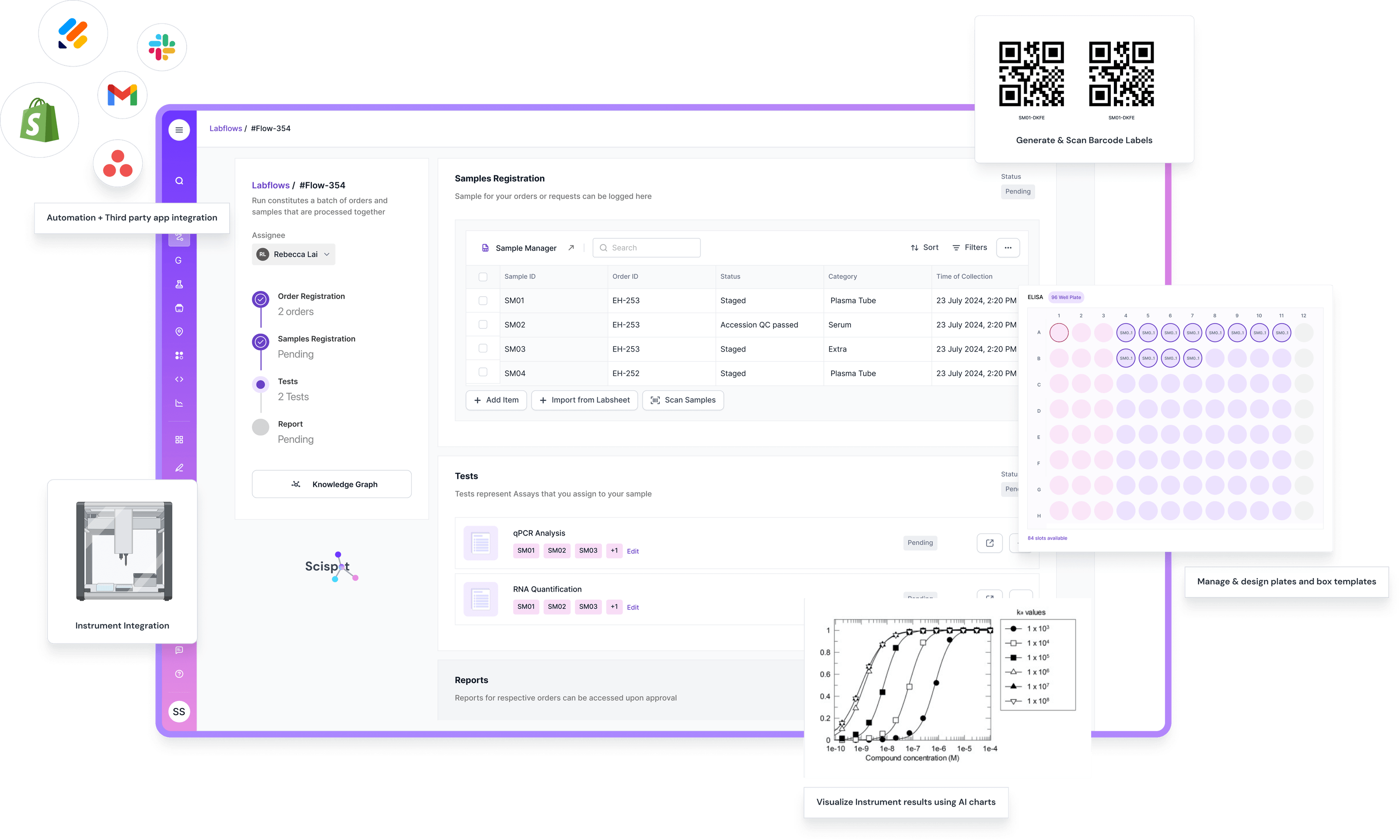
How Scispot Helps Laboratories Overcome Implementation Challenges
Many traditional LIMS deployments become complex because they rely heavily on customization, lengthy consulting engagements, and fragmented software ecosystems.
Scispot helps laboratories reduce implementation risk through:
- Configurable workflows
- Built-in automation
- Instrument integrations
- AI-powered workflow assistance
- Flexible deployment options
- Guided onboarding and support
Instead of forcing laboratories to adapt to rigid systems, Scispot provides a modern laboratory operating platform designed to evolve with changing workflows.
Related resources:
- LIMS Implementation Guide
- Benefits of LIMS Integration
- Types of LIMS
- LIMS for Small Labs

Conclusion
Implementing a LIMS can bring significant benefits to your laboratory, but it's not without challenges. By understanding potential issues and planning accordingly, you can navigate the implementation process smoothly. Remember, the key to success lies in careful planning, effective communication, and ongoing support. With Scispot, your laboratory can enjoy the full advantages of a well-implemented LIMS, backed by superior integration, customization, and data management capabilities.