.webp)
Streamlined Lab Freezer Inventory Management Guide
Managing a lab freezer inventory might seem like a daunting task at first. But with the right strategies and tools, it becomes a clean, repeatable process that saves time and protects your most valuable samples.
Cold storage is where a lot of “silent lab risk” hides. Expired reagents, misplaced tubes, missing documentation, and unclear ownership can quietly derail experiments and create avoidable rework. A modern LIMS like Scispot makes freezer inventory feel less like “admin work” and more like a smooth daily workflow that stays accurate even when the lab is busy.
Effective inventory management matters for a few core reasons. It prevents loss due to misplacement or expiration, reduces disruptions caused by stockouts, and supports compliance workflows where traceability and audit readiness matter. The key is to build a system that works in real lab conditions, not one that only works when everyone remembers to update a spreadsheet.
Inventory Control Methods
Categorize and Label Inventory
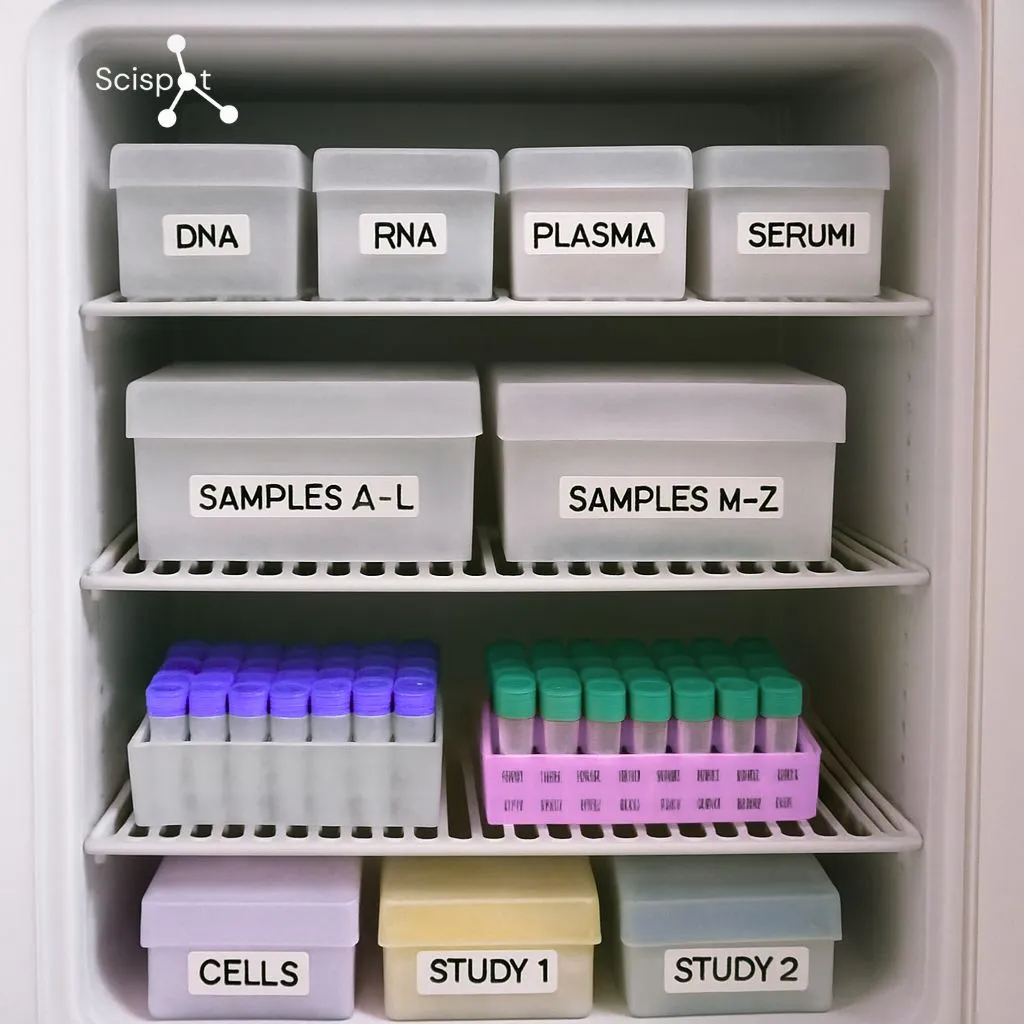
Organizing your lab freezer starts with categorizing and labeling all items, but it works best when your categories are tied to a consistent location structure. Group similar items together, such as patient samples, research samples, controls, reagents, and reference materials. Then apply a consistent labeling system that includes the sample name, unique ID, storage date, owner, and expiration (if applicable).
Where labs often struggle is that labels become “visual hints,” not a real system. Scispot solves this by letting your labels connect to live digital records, so what’s printed on the tube links back to location, metadata, and history. This reduces the common issue with manual systems where labels and reality drift apart over time.
Implement a Digital Inventory System
Moving from manual tracking to a digital system is where freezer inventory becomes truly reliable. A digital inventory system helps you maintain a single source of truth across teams, shifts, and projects, with real-time visibility into what exists, where it lives, and what condition it’s in.
Many labs try to manage freezer inventory using spreadsheets or basic tools, but these systems usually break at the exact moment the lab scales. They depend on perfect human updates, and they don’t enforce structure. Scispot is built to handle real freezer complexity by giving you searchable locations, structured sample records, barcode scanning support, and traceability that stays intact even when multiple people touch the same freezer.
Conduct Regular Audits
Regular audits keep your freezer accurate and prevent slow inventory decay. The best audit rhythm is one that feels lightweight and routine, rather than a stressful quarterly cleanup. Audits help you identify expired items, missing samples, duplicates, and low stock early enough to fix issues without panic.
Scispot makes audits easier because every sample movement can be tracked and reviewed. Instead of relying on people to remember what changed, you can validate inventory against real activity history. This is also where many older, rigid systems tend to frustrate teams, because auditing becomes a manual process layered on top of an already heavy interface.
Lab Supplies Inventory Management
Create an Inventory List
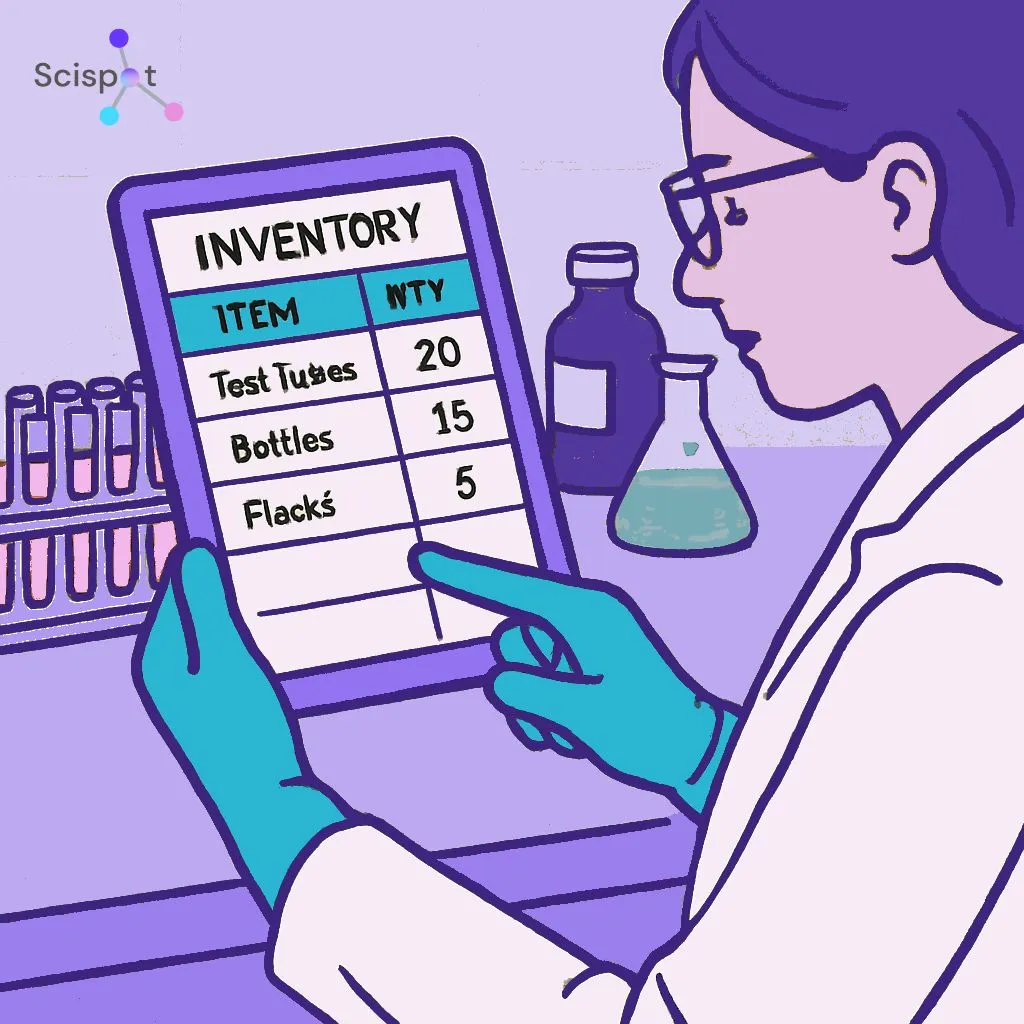
A strong freezer inventory begins with a complete, structured inventory list. This should include everything stored in cold storage, quantities, exact locations, storage conditions, ownership, and any handling requirements. The “inventory list” should not be a static document—it should behave like a living log that updates as the freezer changes.
Scispot helps here by turning inventory into an active workflow, where samples, reagents, and storage units stay connected. This matters because freezer inventory is rarely stable. New samples arrive, old ones are consumed, controls are replenished, and projects shift. A living inventory list stays useful because it updates with the lab, not after the fact.
Use Inventory Management Software
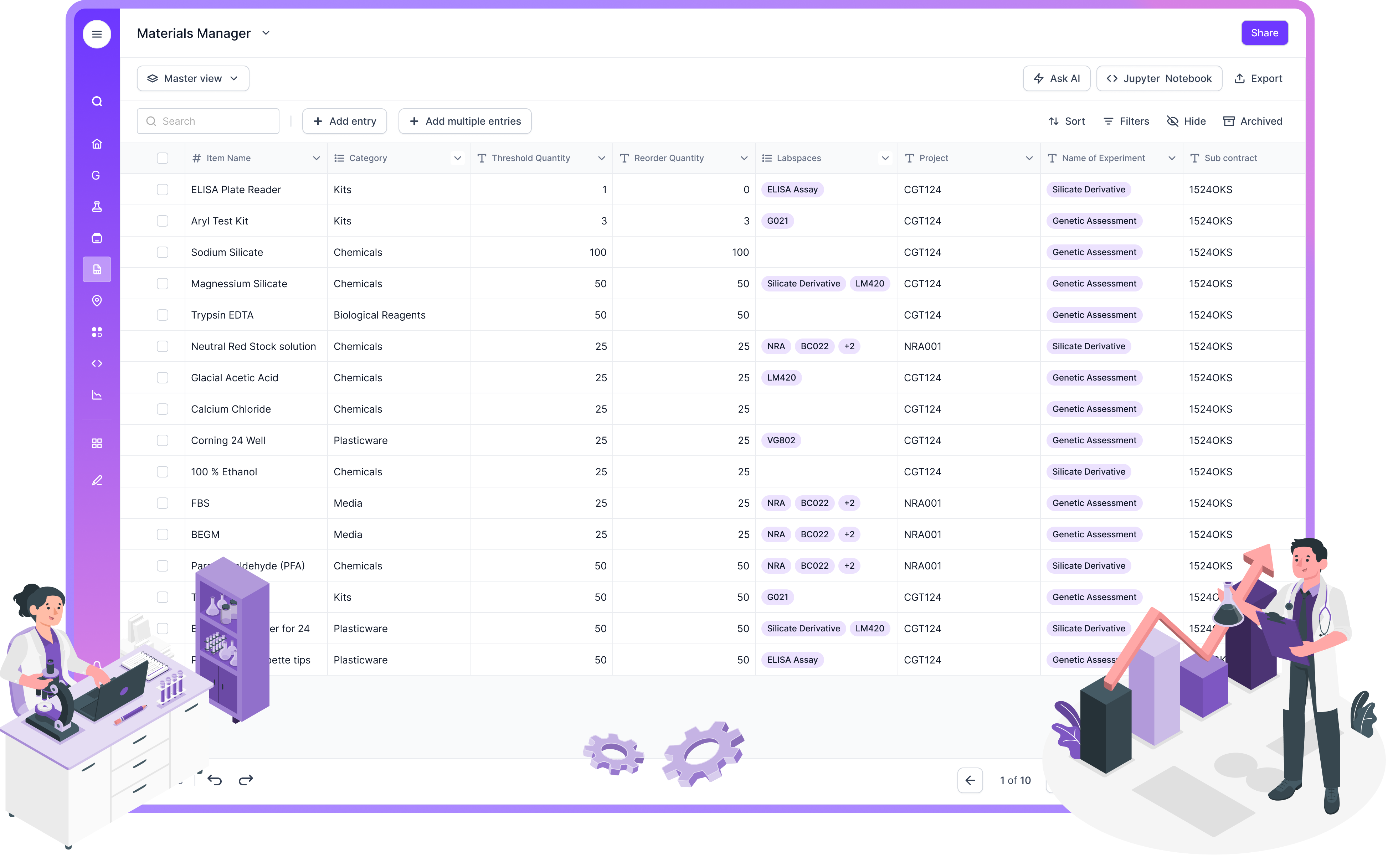
Investing in inventory management software is one of the fastest ways to reduce sample loss and freezer chaos. Strong software should support barcode workflows, real-time location tracking, expiry awareness, low-stock visibility, and reporting that helps teams take action early.
Some legacy LIMS platforms do offer inventory features, but they often feel configuration-heavy or less intuitive for daily bench usage. That’s why many labs end up using them as “systems of record,” while still running day-to-day freezer operations in spreadsheets. Scispot avoids that split by making freezer inventory genuinely usable for wet-lab teams, while still keeping the structure and traceability that leadership and compliance teams need.
Train Staff on Inventory Procedures
Even the best inventory system fails if the workflow is unclear. Staff training should focus on a few repeatable behaviors: where items go, how locations are named, how to label consistently, and how to log movements immediately when anything changes.
Scispot helps training stick because the system is designed around simple actions like search → scan → place → confirm. This makes it easier for new lab members to follow the same rules without needing constant reminders. When the system is intuitive, compliance becomes a habit instead of a burden.
Why Scispot Works Best for Freezer Inventory
Scispot works especially well for freezer inventory because it connects your physical freezer layout to a live digital location map. You can build a clean hierarchy like Room → Freezer → Shelf → Rack → Box → Position, and then find any sample in seconds. When someone scans a barcode or prints a label, they’re not just tagging a tube—they’re linking it to a real record with location, owner, timestamps, and history. So freezer organization stops being “tribal knowledge” and becomes a shared system the whole lab can trust.
What makes Scispot stand out is how naturally it supports real lab behavior. Samples move fast. People work in shifts. Priorities change mid-day. Scispot keeps every movement trackable without slowing scientists down, because actions like scan → move → confirm are quick and consistent. That also makes FIFO and expiry control much easier to follow in practice, since storage date, expiry, and usage history are visible right when decisions are made.
And when something goes wrong—like a temperature drift or an unexpected freezer outage—Scispot helps you react with clarity. You can instantly pull a list of affected samples by freezer, time window, owner, or study, and document actions like quarantine, relocation, or retest. This keeps investigations fast, reduces sample loss, and supports audit readiness without extra manual work. It turns cold storage from a high-risk blind spot into a controlled, searchable workflow.
Cold Storage Management Techniques
Maintain Optimal Storage Conditions
.jpg.webp)
Keeping your lab freezer at the right temperature is essential for preserving sample integrity. Temperature monitoring devices help reduce risk, but the real value comes when monitoring is paired with clear documentation and response workflows.
Scispot supports teams by keeping freezer inventory structured and searchable, which becomes critical during incidents. If a freezer drifts out of range, teams need to quickly understand what samples were affected, where they are, and what downstream experiments might be impacted. Without a connected inventory system, investigations often become slow and incomplete.
Implement FIFO (First In, First Out) Method
FIFO is one of the simplest ways to reduce waste and prevent silent expiry. By using items in the order they were stored, labs reduce the chances of accidentally running experiments with compromised reagents or expired materials.
Scispot makes FIFO easier to maintain because storage dates, expiry fields, and ownership are captured as part of the sample record. Instead of FIFO being “a rule people try to remember,” it becomes something teams can actually follow with confidence because the data is visible and reliable.
Plan for Contingencies
Contingency planning is where freezer inventory either stays resilient or collapses during stress. A realistic plan includes backup freezer space, transfer procedures, clear ownership rules, and a way to log movements quickly during emergencies.
In many labs, contingency plans exist on paper but fail in practice because tracking relocations is difficult mid-incident. Scispot reduces that risk by making sample moves trackable and location-aware, so when samples are transferred, the inventory remains accurate instead of turning into a mystery that takes weeks to clean up later.
Cold Chain Management Essentials
Monitor and Document Temperature Changes
Cold chain management is not just about holding temperature. It’s also about being able to prove what happened, when it happened, and what actions were taken. Monitoring tools help capture deviations, but documentation is what turns that data into something actionable and auditable.
Scispot supports this by keeping your freezer inventory records organized and easy to review alongside operational context. When you can connect storage events to specific samples and time windows, investigations become faster and decisions become clearer.

Ensure Compliance with Regulations
Compliance requirements vary based on your lab type, but the principle stays the same: you need traceability, consistency, and reliable records. Freezer inventory plays a big role here because it touches sample identity, storage conditions, chain-of-custody, and usage history.
Many older inventory setups break down during audits because they rely on scattered spreadsheets, manual logs, or disconnected tools that don’t show full context. Scispot helps labs stay audit-ready by keeping structured records in one place, with workflows that reduce the risk of missing or inconsistent entries.
Collaborate with Suppliers
Supplier collaboration impacts freezer planning more than labs expect. Backorders, shipping delays, substitutions, and changes in packaging sizes can all ripple into how you store and track materials. A well-managed freezer inventory system helps you plan reorder timing and prevent “emergency purchases” that inflate costs.
Scispot helps by making inventory visibility clearer, so procurement decisions are based on real stock and usage patterns instead of guesswork. When inventory is accurate, supplier coordination becomes smoother, and the lab avoids avoidable downtime.
Lab Equipment Organization Tips
Designate Specific Storage Areas
Assigning specific areas for different item types is a simple way to reduce confusion and prevent cross-contamination risks. Reagents, controls, clinical samples, and long-term archive materials should each have clearly defined zones.
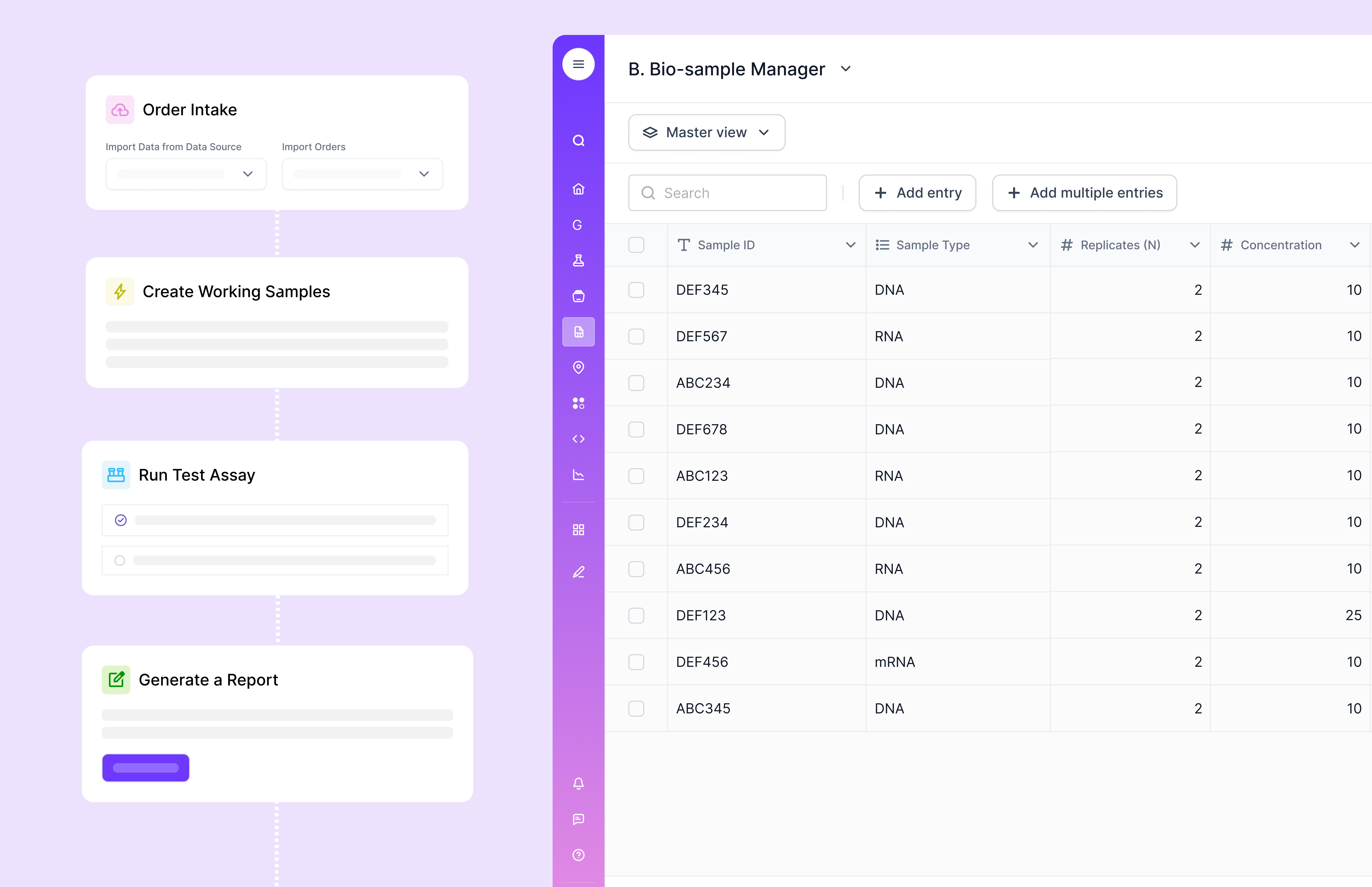
Scispot makes this easier by letting labs build structured location maps that match how scientists think. Instead of “freezer chaos with a few bins,” you get a consistent storage design where every item has a logical home and retrieval becomes fast.
Implement a Color-Coding System
Color coding improves speed and reduces mistakes, especially when labs handle high volume. Visual cues help teams grab the right box quickly and avoid mixing categories during busy periods.
Scispot pairs well with color-based systems because the same categories and labels can be reflected in the digital inventory record. This means your physical organization and your digital organization reinforce each other, rather than drifting into separate worlds.
Regularly Review and Optimize Storage Solutions
Freezer organization is not a one-time project. As sample volume grows, teams change, and studies evolve, storage layouts need small refinements to stay efficient. Periodic review helps identify overcrowded zones, unused space, and workflow bottlenecks.
Scispot supports continuous improvement because the data stays clean as changes happen. Some older systems make changes feel costly or slow, which leads teams to avoid optimization. Scispot stays flexible, so storage improvements can happen naturally without disrupting daily lab work.
Conclusion
Effective lab freezer inventory management is essential for smooth lab operations, reliable experiments, and long-term sample integrity. When labs combine structured locations, consistent labeling, real-time tracking, and practical audit habits, freezer management becomes predictable instead of stressful.
.gif)
Scispot stands out because it treats freezer inventory as part of a connected lab workflow, not an isolated checklist. By keeping locations, sample records, barcode actions, and traceability aligned, Scispot helps labs reduce waste, prevent sample loss, and stay audit-ready as they scale.