.webp)
What Skills Are Essential for a Lab Technician Working in Modern Labs?
Working in a modern laboratory requires a diverse set of skills. Whether you're just starting out or are an experienced lab technician, understanding the essential skills needed for success in today’s labs is crucial. From mastering basic lab techniques to honing research skills, these competencies ensure precision and efficiency in scientific work.
In any laboratory setting, certain foundational skills are necessary to ensure that you can operate effectively and safely. These skills serve as the building blocks for more advanced techniques and are essential for maintaining laboratory standards.
Understanding Lab Fundamentals

A strong grasp of lab fundamentals is vital. This includes knowledge of:
- Lab Safety: Understanding and adhering to safety protocols to prevent accidents and injuries.
- Equipment Handling: Proper use and maintenance of lab equipment to ensure accurate results and longevity of tools.
- Measurement and Data Recording: Accurate measurement techniques and meticulous data recording are crucial for reliable results.
Many traditional LIMS systems can struggle to maintain seamless integration with day-to-day lab operations, offering limited flexibility and often requiring manual intervention for data entry and equipment tracking. This can create bottlenecks and slow down lab processes.
Scispot, in contrast, provides an intuitive, adaptable platform that streamlines lab safety protocols, equipment management, and measurement processes. With easy-to-navigate interfaces, Scispot ensures that lab technicians can focus on their work, while the system keeps data accurate and accessible in real time.
Developing Essential Lab Competencies
Lab competencies are skills that improve your ability to carry out experiments effectively. These include:
- Attention to Detail: Precision in following procedures and noting observations.
- Problem Solving: Ability to troubleshoot and resolve issues that arise during experiments.
- Time Management: Efficiently managing time to balance multiple tasks and complete experiments within deadlines.
While traditional LIMS can be rigid, often requiring manual interventions for data entry or workflow management, Scispot’s flexible, automated workflows ensure that lab teams can focus on research, not on cumbersome system administration. By reducing manual entry, Scispot helps maintain efficiency while ensuring data consistency and accuracy.
Scispot: Empowering Labs with Seamless Automation
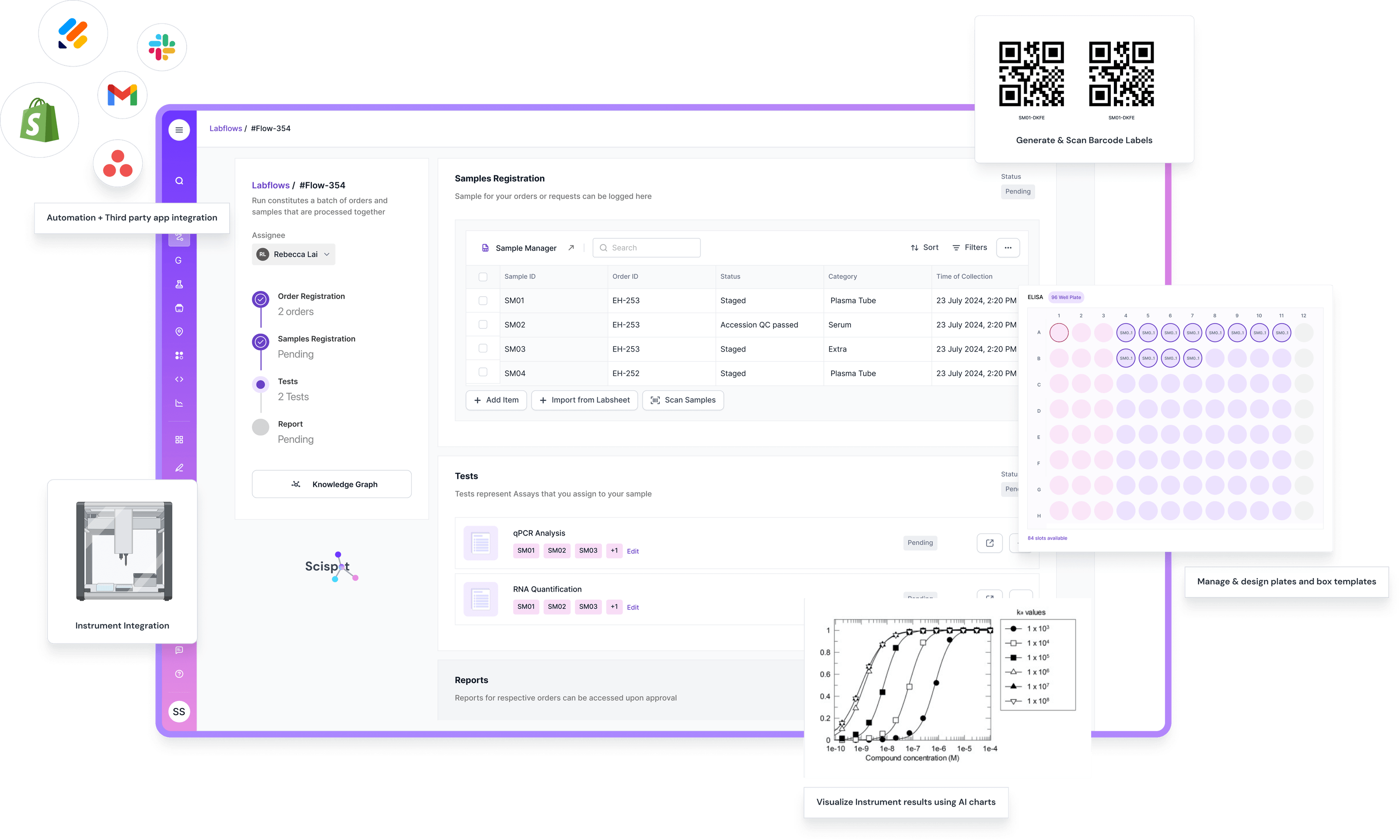
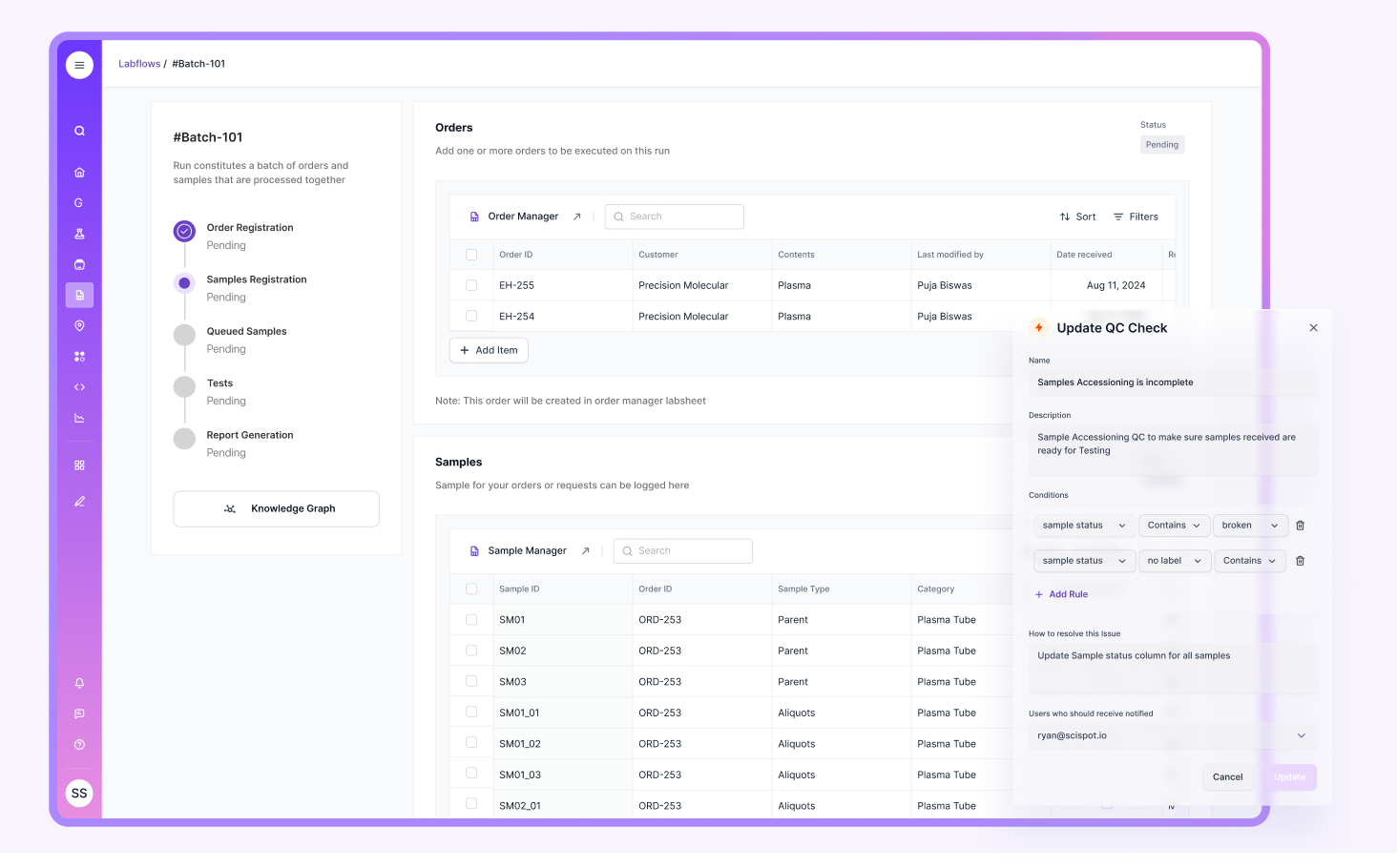
Scispot stands out as the ideal solution to optimize workflows and increase efficiency. Scispot’s powerful features allow lab technicians to automate routine tasks, such as sample tracking, data management, and reporting, so they can focus on more critical tasks. By integrating LIMS (Laboratory Information Management System), ELN (Electronic Lab Notebook), and SDMS (Scientific Data Management System), Scispot streamlines every aspect of lab operations. The result is a reduction in human error, faster turnaround times, and more accurate data—essential for driving scientific discovery.
Scispot's ability to integrate with existing lab instruments, including PCR machines and other molecular biology tools, further enhances its appeal. With its flexible, user-friendly platform, Scispot provides a single source of truth for all lab data. Lab managers can easily track sample progress, ensure compliance with industry regulations, and generate reports effortlessly. Moreover, Scispot’s AI-powered analytics give teams the insights they need to make data-driven decisions, ensuring labs remain agile and responsive to the ever-evolving landscape of scientific research.
Molecular Biology Techniques
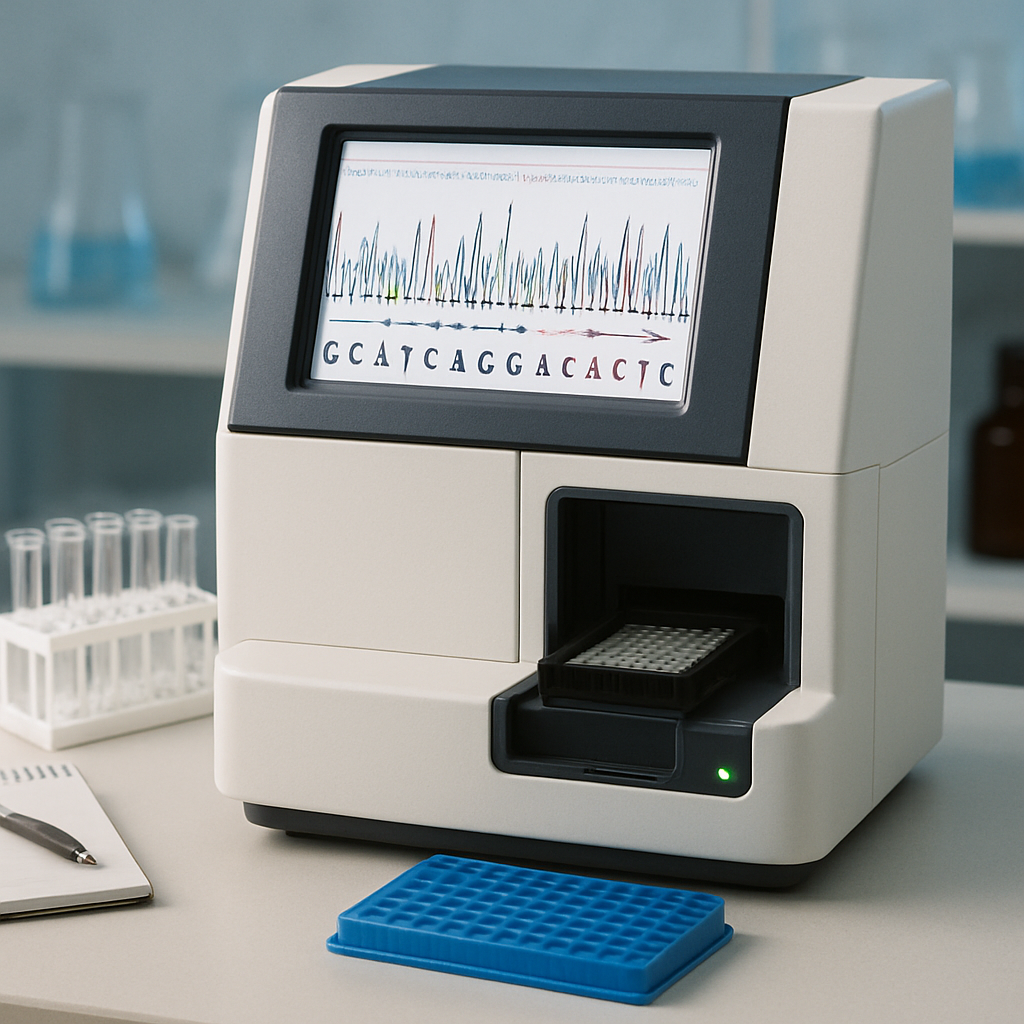
Modern labs often require specialized knowledge in molecular biology techniques. These skills are particularly relevant for those working in fields like genetics and biotechnology.
Key Molecular Biology Techniques
Some essential techniques in molecular biology include:
- DNA Extraction and Analysis: Understanding how to isolate and analyze DNA for various applications.
- PCR (Polymerase Chain Reaction): Amplifying DNA sequences for study and experimentation.
- Gel Electrophoresis: Separating DNA fragments to study their size and composition.
In many legacy LIMS solutions, the integration of molecular data can be clunky, often requiring manual inputs and leading to errors in data tracking. Scispot offers seamless integration with molecular biology workflows, automating the data capture process and ensuring that DNA analysis, PCR, and gel electrophoresis results are tracked in real time. This minimizes manual errors, speeds up processes, and keeps critical data linked across experiments.
Importance of Scientific Skills
Scientific skills go hand-in-hand with molecular biology techniques. They include:
- Critical Thinking: Evaluating experimental outcomes and deriving meaningful conclusions.
- Analytical Skills: Interpreting data accurately and making informed decisions based on evidence.
- Communication: Effectively communicating findings through written reports and presentations.
Where traditional systems fall short, especially in terms of handling and visualizing complex data, Scispot’s advanced AI-powered dashboards provide valuable insights that guide decision-making. By automatically visualizing data and highlighting key findings, Scispot empowers lab technicians to analyze and communicate results more effectively.
Research Skills in the Lab
Research skills are essential for anyone working in a laboratory, as they enable you to design experiments, analyze results, and contribute to scientific knowledge.
Developing Strong Research Skills
To excel in research, focus on the following skills:
- Experimental Design: Creating effective experiments to test hypotheses and gather data.
- Data Analysis: Using statistical tools and software to interpret results and validate findings.
- Literature Review: Staying informed about current research and integrating it into your work.
While traditional lab systems often fail to connect research outcomes with experimental goals in a meaningful way, Scispot’s integrated dashboards and automated workflows ensure that researchers can easily visualize and track their experiments from start to finish. Scispot’s real-time data collection and advanced analytics make research more effective by automating many aspects of the process, ensuring faster and more accurate results.
Lab Proficiency and Training
Proficiency in lab techniques comes with practice and training. Engaging in continuous education and hands-on experience is key to mastering laboratory skills. Consider participating in workshops, online courses, and mentorship programs to enhance your proficiency.
Scispot further supports lab proficiency by offering continuous updates and training resources. Unlike older LIMS systems that may become outdated or require lengthy customizations, Scispot evolves with the field, ensuring that lab technicians always have access to the latest tools and technologies.

Essential Biology and Chemistry Lab Skills
For those working in biology and chemistry labs, certain skills are particularly important. These skills apply to high school students, college students, and professionals alike.
Biology Lab Skills
Essential biology lab skills include:
- Microscopy: Proper use of microscopes to observe microorganisms and cellular structures.
- Dissection: Ability to dissect organisms to study their anatomy and physiology.
- Ecological Sampling: Techniques for collecting and analyzing environmental samples.
Chemistry Lab Skills
Key chemistry lab skills encompass:
- Titration: Performing titration experiments to determine concentrations of substances.
- Spectroscopy: Using spectroscopic techniques to analyze chemical compounds.
- Chromatography: Separating mixtures to identify and quantify components.
Where traditional LIMS often require tedious manual entry and offer limited integration with laboratory instruments, Scispot’s integration with lab equipment like microscopes, spectrometers, and chromatographs ensures that all data is captured accurately and efficiently. Scispot helps keep lab results organized and easy to access, with real-time updates to streamline lab workflows.
Crime Lab Technician Essential Knowledge and Skills
For those interested in forensic science, working as a crime lab technician requires specific knowledge and skills. These professionals analyze evidence from crime scenes to aid in criminal investigations.
Essential Skills for Crime Lab Technicians
- Evidence Collection: Understanding proper techniques for collecting and preserving evidence.
- Fingerprint Analysis: Identifying and comparing fingerprints to establish identity.
- Forensic Chemistry: Analyzing chemical substances found at crime scenes.
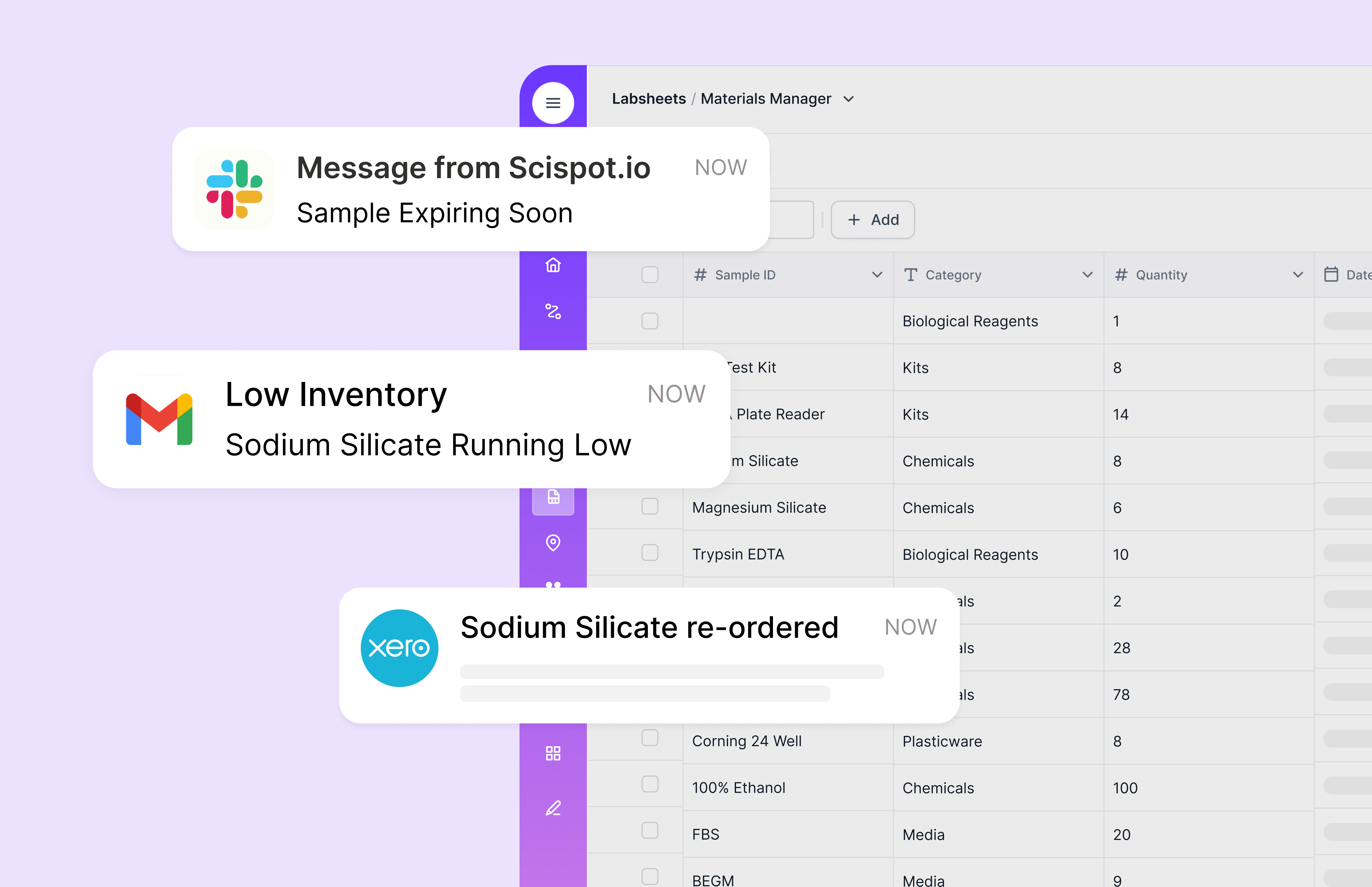
Scispot can support crime lab technicians by offering secure, traceable data management solutions for evidence collection and analysis. The system ensures that data integrity is maintained throughout the process, preventing potential mishandling or errors when dealing with sensitive crime scene evidence.
Continuous Improvement and Learning
The field of laboratory science is constantly evolving, with new techniques and technologies emerging regularly. To stay current, it's important to engage in continuous learning and professional development. Attend workshops, conferences, and seminars to learn about the latest advancements and network with fellow professionals.
Scispot fosters this ongoing learning by providing an ever-evolving platform that is regularly updated with new features, ensuring that labs stay ahead of industry trends. Unlike static legacy systems that can become cumbersome or outdated, Scispot is built for flexibility, adapting to new technologies and keeping your lab at the cutting edge.
.gif)
Conclusion
In conclusion, working in a modern lab requires a blend of fundamental skills, specialized techniques, and continuous learning. While many LIMS systems can hinder lab performance due to their rigid nature, Scispot stands out by offering an intuitive, user-friendly solution that supports the dynamic needs of modern laboratories. By mastering essential skills and leveraging Scispot’s innovative features, lab technicians are better equipped to handle the challenges of modern scientific research and contribute to impactful discoveries.